
Indian art brings together centuries of culture, craftsmanship, storytelling, spirituality, and creative expression. From intricate traditional art forms to bold contemporary compositions, Indian paintings can transform an ordinary wall into a meaningful part of your home.
Today, art lovers no longer need to depend only on exhibitions or physical galleries. You can explore and buy Indian paintings online from different artists, styles, themes, and price ranges while choosing artwork that complements your home, office, or personal collection.
Whether you are looking for traditional Indian art, modern paintings, canvas artwork, folk art, spiritual paintings, or collectible pieces, understanding the different styles can help you choose art that you will continue to appreciate for years.
Why Indian Paintings Are Unique
Indian paintings are closely connected with the country’s history, regions, traditions, mythology, nature, spirituality, and everyday life.
Different regions of India developed distinctive artistic traditions using their own colours, materials, techniques, symbols, and storytelling methods. This diversity is one of the reasons Indian art remains visually rich and highly recognisable.
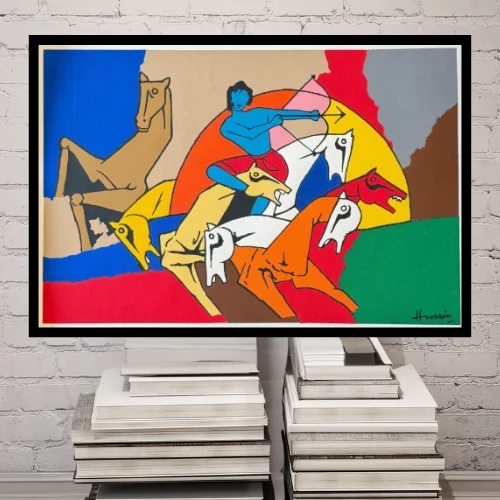
A Madhubani artwork, for example, can feature detailed patterns inspired by nature and mythology, while Warli paintings use simple geometric forms to portray community life. Contemporary Indian artists may take inspiration from these traditions while experimenting with abstract forms, modern subjects, textures, and colours.
As a result, Indian paintings can work beautifully in both traditional and contemporary interiors.
Why Buy Indian Paintings Online?
Buying art online gives collectors and homeowners access to a much broader range of artwork than they may find in a local décor store.
Instead of limiting yourself to the paintings available nearby, you can explore artworks by style, artist, medium, size, colour palette, theme, and budget.
When you buy Indian paintings online, you can also compare different pieces before deciding what suits your space.
For homeowners, this makes it easier to find art that complements existing furniture and interiors. For collectors, online art platforms provide opportunities to discover different Indian artists and artistic styles.
Online galleries are particularly convenient for buyers looking for specific categories such as original paintings, limited-edition artworks, traditional Indian art, modern Indian paintings, canvas paintings, or serigraphs.
Popular Indian Painting Styles to Explore
India has an extraordinary range of artistic traditions. Understanding some of the most recognised styles can make choosing artwork easier.
Madhubani Paintings
Originating from the Mithila region, Madhubani art is recognised for detailed patterns, strong outlines, vivid colours, and symbolic imagery.
Common subjects include nature, animals, celebrations, mythology, gods and goddesses, and traditional stories.
Because of their decorative detail, Madhubani paintings can create a striking focal point in living rooms, entrances, dining spaces, and cultural interiors.
Warli Paintings
Warli art is known for its simple visual language and geometric human and animal forms.
Scenes often depict village life, farming, dancing, celebrations, nature, and community activities.
Its restrained and graphic appearance makes Warli-inspired artwork particularly suitable for contemporary or minimalist interiors.
Pattachitra Art
Pattachitra is a traditional Indian painting style associated particularly with Odisha and parts of eastern India.
These works are recognised for their detailed compositions, decorative borders, strong lines, and narratives inspired by mythology and traditional stories.
For buyers interested in Indian heritage art, Pattachitra can bring a strong cultural character to an interior.
Gond Art
Gond art is recognised for detailed patterns, dots, lines, animals, trees, birds, and imaginative representations of nature. Many Gond artists are also known for their signature detailing styles.
The visual rhythm and vibrant storytelling found in Gond-inspired works make them suitable for homes where the artwork is intended to become a conversation piece.
Rajasthani Paintings
Rajasthani art encompasses several traditions, including Pichwai, and frequently draws inspiration from royal life, architecture, landscapes, mythology, music, festivals, animals, and courtly themes.
These paintings can work particularly well in interiors where you want to introduce richness, heritage, and decorative detail.
Modern Indian Paintings
Modern and contemporary Indian art offers enormous variety.
Artists may explore abstract forms, figurative subjects, landscapes, spirituality, urban life, emotions, cultural symbols, or experimental compositions.
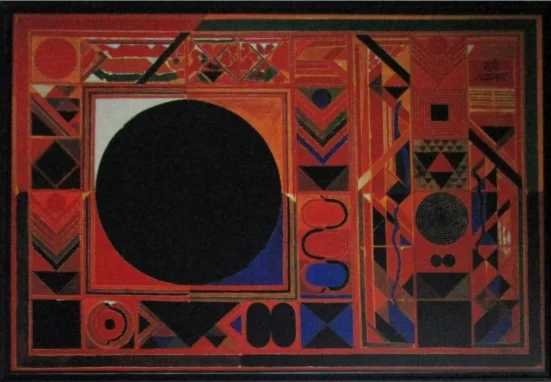
Modern Indian paintings are an excellent choice when you want Indian artistic identity without creating an overly traditional interior.
Original Indian Paintings vs Art Prints
One important decision when buying artwork is whether you want an original painting or a reproduction.
An original painting is created individually by an artist. Characteristics such as brushwork, texture, material variation, and the artist’s technique can make each piece distinctive.
Art prints reproduce an existing image and can provide a more accessible way to bring art into your space.
Limited-edition prints and serigraphs occupy another category. Depending on the artwork and edition, they can provide collectors with an opportunity to own authorised works associated with established artists without purchasing a unique original painting.
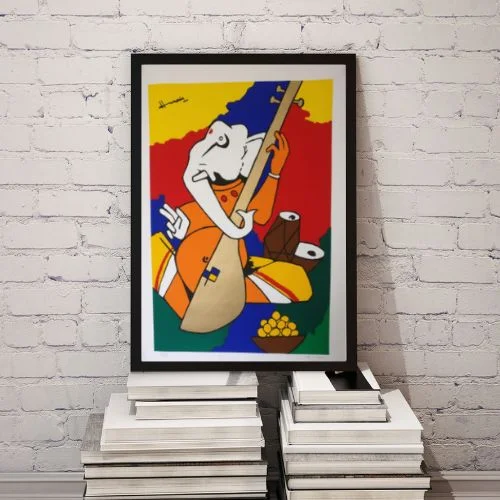
Before purchasing, always check how the seller describes the artwork so you understand whether you are buying an original, print, reproduction, serigraph, or limited edition. Our guide to art prints or paintings explains the differences in detail.
How to Choose Indian Paintings for Your Home
Choosing the right artwork involves more than simply selecting a painting you find beautiful.
Consider where you plan to display it, the size of the wall, existing colours in your interior, surrounding furniture, lighting, and the overall atmosphere you want to create. Our guide to wall paintings for interior design covers this room by room.
Consider the Wall Size
Artwork should feel proportionate to the wall.
A very small painting can disappear visually on a wide empty wall, while an oversized piece can overwhelm a compact room.
For a large wall above a sofa or dining table, one substantial artwork can create a stronger visual impact than several unrelated decorative elements.
Match the Mood of the Room
Think about what you want the room to feel like.
Vibrant artwork can introduce energy and personality. Spiritual or nature-inspired artwork may create a calmer atmosphere. Abstract paintings can give contemporary interiors a sophisticated character.
The artwork does not always need to match every colour in the room. Sometimes a contrasting painting becomes the visual highlight.
Think About the Subject
Choose subjects that have personal meaning.
You may connect with nature, mythology, Indian heritage, abstract art, figurative work, spiritual imagery, cityscapes, or contemporary compositions.
Art tends to remain in a home for years, so personal connection is often more important than following short-lived décor trends.
Indian Paintings for the Living Room
The living room is one of the best places to display statement artwork.
Because it is usually a shared and highly visible space, a painting can establish the room’s visual identity.
Large canvas paintings, abstract Indian artwork, colourful contemporary pieces, traditional Indian paintings, or limited-edition works can all become focal points.
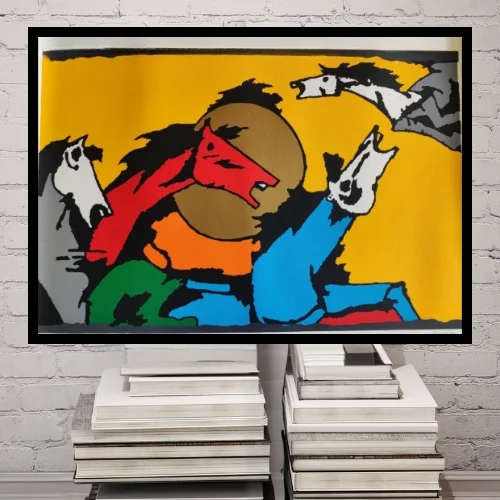
Before buying a painting for your living room, measure the available wall space and consider how the artwork will look in relation to your sofa, console, dining furniture, or other décor.
Indian Art for Bedrooms and Personal Spaces
Bedroom artwork usually benefits from a more considered and personal approach.
Nature-inspired paintings, subtle abstracts, minimalist compositions, landscapes, or artwork with calmer colours can work well in spaces designed for relaxation.
Instead of choosing artwork only because it matches the wall colour, select something you will genuinely enjoy seeing every day.
Indian Paintings for Offices
Art can also improve professional spaces.
An Indian painting in an office, reception area, boardroom, hotel, studio, restaurant, or corporate environment can add visual identity while making the space feel more thoughtfully designed.
Contemporary art, abstract compositions, culturally inspired works, and large statement pieces are often suitable choices for commercial interiors.
Businesses can also use artwork to reflect their personality, values, or connection with Indian culture. Here is more on why companies choose art.
Indian Paintings as Meaningful Gifts
Art is also an excellent gifting option because it can remain with the recipient for many years.
Indian paintings can be considered for:
Weddings, anniversaries, housewarmings, festivals, milestone celebrations, corporate gifting, or new office openings.
The most important consideration is the recipient’s personality and taste.
For someone who appreciates heritage, traditional Indian artwork may be suitable. For a modern home, contemporary or abstract paintings may be a better choice. Spiritual artwork can be meaningful when it aligns with the recipient’s preferences.
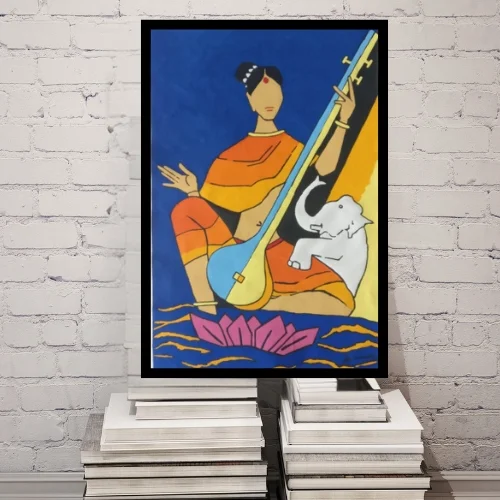
The Brushstrokes Co. also offers dedicated gifting, wedding gifting, festive gifting, and corporate gifting collections for buyers looking for art-based gifts.
What to Check Before Buying Indian Paintings Online
When purchasing artwork online, examine the product information carefully.
Check the artwork’s:
Dimensions: Make sure the scale works for your intended wall.
Medium: Understand whether the work uses acrylic, oil, mixed media, printmaking, serigraphy, or another technique.
Surface: Check whether the artwork is created on canvas, paper, board, or another material.
Edition information: For limited-edition art, review the edition details provided by the seller.
Framing: Confirm whether the artwork arrives framed or unframed.
Artist information: Learning about the artist can help you understand the context behind the artwork.
Authenticity information: For collectible works, review any available documentation or authenticity details before purchasing.
Clear information helps you make a more confident buying decision. Our guide to buying original paintings goes through each check in more detail.
Why Authenticity Matters When Buying Art
The growing accessibility of online art has also increased the number of reproductions and mass-produced decorative pieces available online.
There is nothing inherently wrong with buying a reproduction when it is clearly described as one. The important issue is knowing exactly what you are purchasing.
If you want an original work, limited-edition print, serigraph, or collectible artwork, purchase from a seller that clearly explains the artist, medium, dimensions, edition, and relevant artwork details.
Authenticity becomes particularly important when art is being purchased as part of a collection rather than purely for decoration.
Explore Indian Art at The Brushstrokes Co.
At The Brushstrokes Co., art lovers can explore a curated selection of paintings, serigraphs, sculptures, and artworks connected with established and contemporary Indian artists.
Collectors can also explore works associated with artists including M. F. Husain, S. H. Raza, B. Vithal, B. Prabha, and Subrata Das, among others.
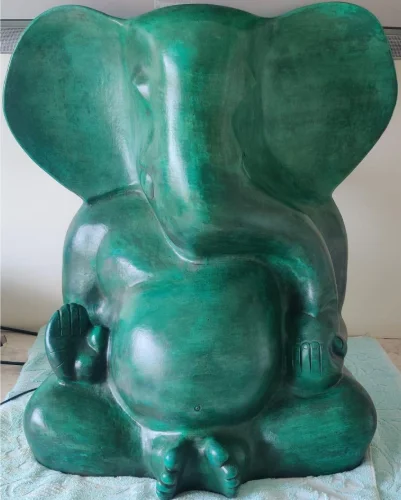
Whether you are selecting artwork for your living room, office, collection, or as a meaningful gift, explore the artwork carefully and choose a piece that connects with you personally. If you need help, contact our team.
The best painting is not simply the one that follows an interior trend. It is the one that continues to hold your attention and meaning long after it becomes part of your space.
FAQs
Where can I buy Indian paintings online?
You can buy Indian paintings through specialised online galleries, artist platforms, art marketplaces, and established art retailers. Look for platforms that provide clear information about the artwork, artist, medium, dimensions, and edition where applicable.
What are the most popular Indian paintings?
Popular Indian art categories include Madhubani, Warli, Gond, Pattachitra, Rajasthani art, spiritual paintings, abstract paintings, modern Indian art, contemporary artwork, and works by recognised Indian artists.
Can I buy original Indian paintings online?
Yes. Many online art galleries offer original paintings. Before purchasing, confirm that the artwork description clearly identifies it as an original work and review the artist and medium details.
How do I know whether an online painting is original?
Read the artwork description carefully and check information about the artist, medium, dimensions, edition, signature, and available authenticity documentation. When information is unclear, contact the seller before purchasing.
Which Indian paintings are best for living rooms?
Large abstract artworks, modern Indian paintings, colourful traditional pieces, landscapes, figurative art, and statement canvas paintings can work well in living rooms. The best choice depends on your wall size, interior style, colours, and personal taste.
Are Indian paintings good for gifting?
Yes. Paintings can make memorable gifts for weddings, anniversaries, housewarmings, festivals, corporate occasions, and other milestones. Choose artwork based on the recipient’s taste and interior style.
What is the difference between an original painting and a print?
An original painting is individually created by an artist. A print reproduces an image through a printing process. Limited-edition prints or serigraphs may be produced in a defined edition and should include clear edition information.
Which Indian art styles work with modern interiors?
Warli-inspired artwork, Gond art, contemporary Indian paintings, abstract artwork, minimalist compositions, and modern interpretations of traditional subjects can work especially well with contemporary interiors.
How do I select the correct painting size?
Measure the available wall before purchasing and consider surrounding furniture. Larger empty walls generally require more substantial artwork, while compact spaces benefit from appropriately scaled pieces.
Is it safe to buy expensive paintings online?
Buying valuable artwork online can be convenient, but buyers should carefully review artwork descriptions, authenticity information, seller credentials, shipping policies, and available documentation before purchasing.