
A horse painting can instantly add movement, strength, elegance and personality to a space. From powerful running horses to a calm single stallion, horse artwork can work beautifully in living rooms, offices, studies, reception areas and feature walls. Horse paintings have remained popular across different artistic traditions because horses are commonly associated with strength, freedom, courage, confidence, movement and determination.
The overall impression of a horse painting depends on its composition, number of horses, colours, size and artistic style. A group of galloping horses creates a very different atmosphere from a single horse standing calmly in an open landscape. This is why choosing the right artwork should involve both visual preference and the mood you want to create in your room. Browsing a curated original paintings collection first can help you compare compositions side by side before deciding on the one that fits your space.
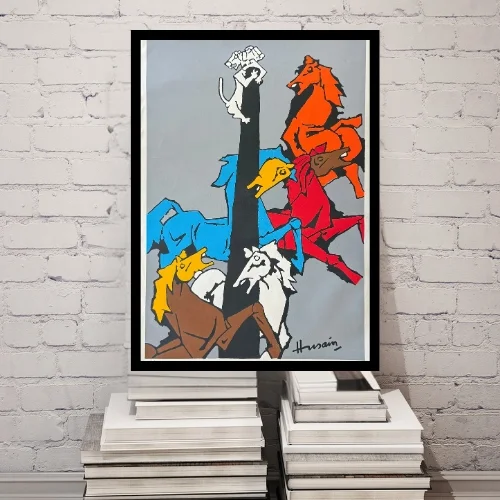
What Does a Horse Painting Symbolize?
Horses have been represented in art for centuries and often carry powerful symbolic meanings. Their speed, physical strength and independence have made them common symbols of freedom, courage, endurance, progress and confidence.
A horse painting can also communicate different emotions depending on the pose and setting. A running horse may suggest movement and ambition, while a still horse can create a sense of calmness, balance or quiet strength. The meaning is therefore not fixed and can change depending on the artwork and the way the viewer connects with it.
Running Horse Painting Meaning
A running horse painting is one of the most energetic forms of horse artwork. The movement of the horses, flowing manes and strong body positions can make the artwork feel dynamic even though the painting itself is still.
Running horses are often associated with forward movement, freedom, ambition and determination. This makes them especially suitable for spaces where you want to create a feeling of energy and momentum. A large running horse painting can work well in a living room, office, reception area or creative workspace.
Horizontal compositions often work particularly well on wide walls because they create a strong sense of movement across the room.
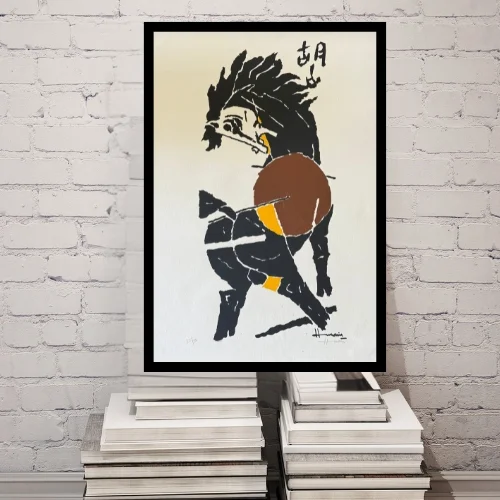
Single Stallion Painting Meaning
A single stallion painting creates a different visual effect from a group of running horses. Instead of representing collective movement, it often communicates confidence, individuality, strength and composure.
Artists may focus on the horse’s posture, eyes, mane or muscular form to create a strong visual presence. This type of painting works well in executive offices, study rooms, libraries and entrance areas because it can make a statement without making the room feel overly busy.
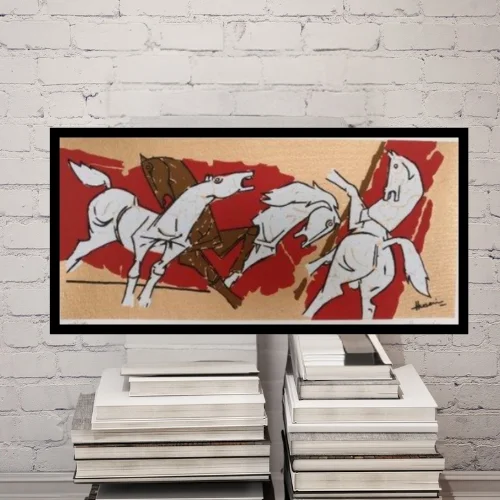
White Horse Painting Meaning
White horse paintings generally create a softer and more elegant atmosphere. Depending on the artistic and cultural context, white horses are often associated with peace, hope, grace and calmness.
From an interior design perspective, white horse artwork can also make a room feel lighter and more spacious. It can work particularly well in living rooms, bedrooms and interiors with neutral colour palettes.
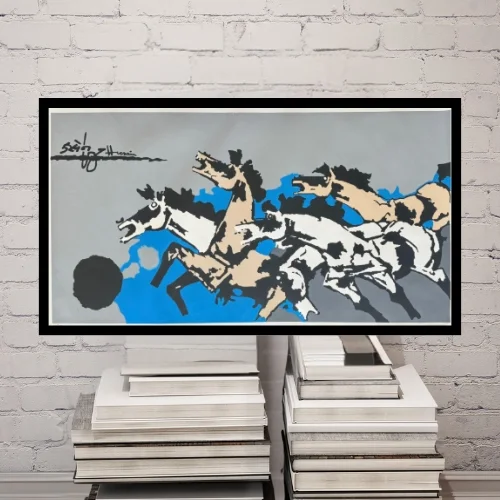
Seven Horse Painting Meaning
Seven horse paintings are especially popular in Indian homes and offices because of their traditional association with Vastu beliefs. In Vastu traditions, seven running horses are often connected with progress, prosperity, success and forward movement.
These ideas should be understood as traditional cultural beliefs rather than guaranteed outcomes. If you are choosing a seven horse painting specifically for Vastu reasons, it is better to study direction, placement, colour and room suitability in detail before deciding where to display it our dedicated guide to Vastu tips and placement for horse paintings covers this in more depth.
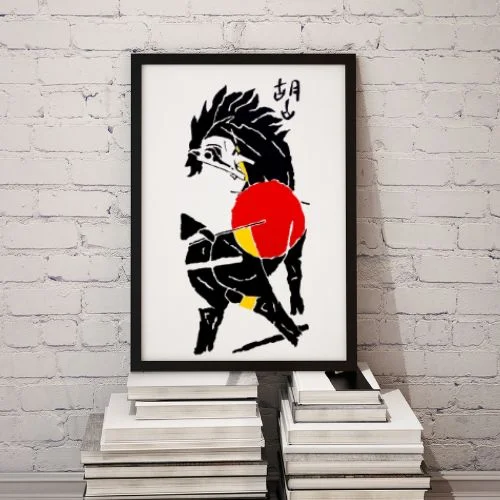
Horse Painting for Living Room
The living room is one of the most suitable spaces for horse artwork because it usually provides enough wall space to display a larger piece.
A wide running horse painting can look impressive above a sofa, console table or feature wall. The painting should feel proportionate to the furniture and the wall around it. If the artwork is too small, it may look lost, while a very large painting can overwhelm the room.
The colours should also work with the existing interior. Warm shades such as brown, beige and rust can work well with wooden furniture, while black, white or grey horse paintings often suit modern interiors. Exploring our art collections online is a good way to compare colour palettes and sizes before committing to one piece.
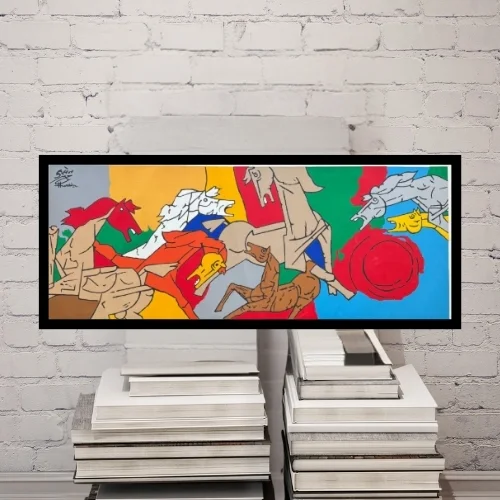
Horse Painting for Office
Horse paintings are a popular choice for offices because they naturally communicate movement, ambition and strength. A running horse painting can add energy to a reception area or conference room, while a single stallion may create a more refined and confident atmosphere in an executive cabin.
The style of the painting should match the overall character of the workspace. Contemporary offices may suit abstract or monochrome horse art, while traditional offices may look better with detailed or realistic compositions. Many businesses also choose horse paintings as part of their corporate art gifting programmes, since the imagery works well for both office décor and client gifts.
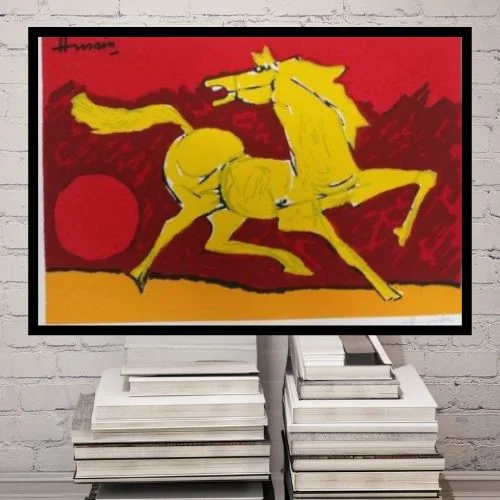
Horse Painting Direction and Placement
The placement of a horse painting should first depend on the room, wall size, furniture arrangement and lighting. A large horizontal painting can work well above a sofa, reception desk or console table, while a vertical composition may suit narrower walls.
If you are considering Vastu placement, traditional recommendations may vary depending on the type of artwork and the direction of the horses. Because different interpretations exist, it is better to use a dedicated Vastu guide for detailed placement recommendations rather than relying on a single rule.
How to Choose the Right Horse Painting Size
The size of the painting can make a major difference to how the artwork looks in a room.
Before buying a horse painting, measure the wall and consider the width of the nearby furniture. A large wall generally needs a painting with enough visual presence, while smaller walls are usually better suited to compact or vertical artwork.
When placing artwork above furniture, the painting should feel connected to the furniture rather than floating separately on the wall. Many designers use the 57-inch rule as a starting point, positioning the centre of the artwork at average eye level, then adjusting slightly when the piece hangs above a sofa or console. Leaving enough empty space around the artwork also helps it look more balanced and premium.
Best Horse Painting Colours for Different Interiors
The colours in a horse painting should complement the overall atmosphere of the room. Warm colours such as brown, ochre, beige and rust can work well in earthy or traditional interiors.
Black, white and grey horse paintings often suit modern and minimalist spaces. Softer blue and green tones can create a calmer effect, while bold reds and oranges can make the artwork feel more energetic.
The painting does not need to perfectly match every colour in the room. A carefully chosen contrast can often make the artwork stand out more effectively.
Abstract Horse Paintings for Modern Interiors
Abstract horse paintings are a good choice for people who want the energy of horse imagery without a highly realistic style.
These artworks may use expressive brushstrokes, simplified forms and strong colour combinations. They are particularly suitable for contemporary homes, creative studios and modern offices.
Abstract artwork can also create a more personal interpretation because the viewer is able to connect with the movement and emotion of the painting in different ways.
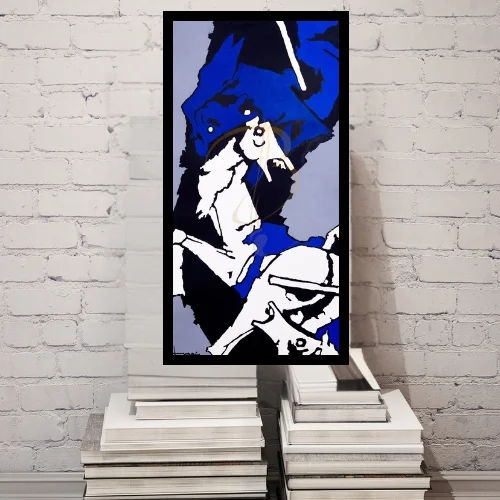
Original Horse Painting vs Canvas Print
Original horse paintings and canvas prints can both work well, depending on your purpose and budget.
An original painting offers unique brushwork, texture and artistic individuality. Because every original work is different, it can have stronger value for collectors and art enthusiasts.
A canvas print is generally more affordable and can be a practical choice when the primary purpose is decoration. Prints can work well in homes, offices and commercial spaces where multiple artworks may be needed.
How to Choose a Quality Horse Painting
A quality horse painting should feel visually balanced and well composed. The horses should sit naturally within the artwork, and the movement should guide the viewer’s eye rather than make the painting feel chaotic.
The use of colour, texture and proportion should also feel intentional. If you are buying an original painting, look closely at the surface, brushwork and details.
Your personal connection to the artwork is equally important. A painting may match your room perfectly, but if it does not create an emotional response, it may not be the right choice.
Horse Paintings in Indian Art
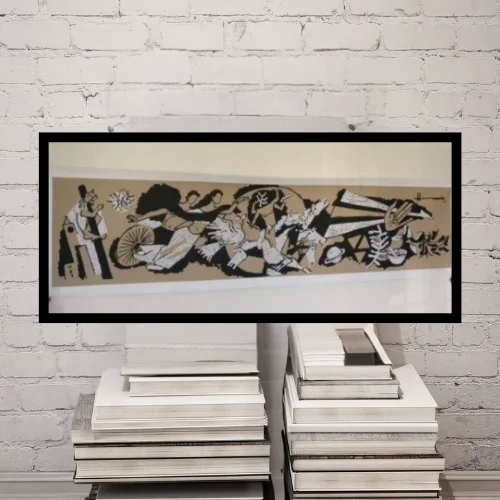
The horse has played an important role in Indian art and visual culture for centuries. It has appeared in historical paintings, royal imagery, folk traditions and modern artworks.
In contemporary Indian art, horses are often used to express movement, power, freedom and energy. One of the most well-known examples is the recurring horse imagery in the works of M.F. Husain, whose galloping horses became one of the defining motifs of modern Indian art, as explored in the Mathaf retrospective “Horses of the Sun”.
This long artistic history is one of the reasons horse paintings continue to attract collectors and interior buyers today, and it is part of why you can also browse work from Indian artists working in this tradition today.
How to Match a Horse Painting With Your Interior Style
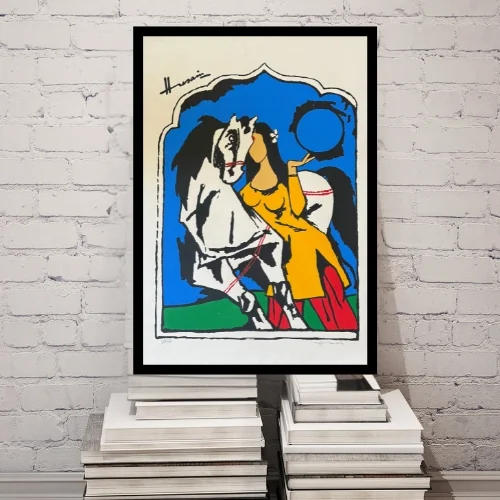
The best horse painting should feel connected to the overall design of the room.
Modern interiors often work well with abstract compositions, clean backgrounds and monochrome palettes. Traditional homes may look better with detailed horse paintings, warmer colours and textured backgrounds.
Luxury interiors can benefit from larger statement artworks with strong brushwork and premium framing, while smaller homes may be better suited to lighter compositions that do not make the room feel crowded.
Where to Place a Horse Painting in a Living Room
A horse painting can be placed above a sofa, console table or on a main feature wall. The artwork should be positioned at a comfortable viewing height and should feel visually connected to the furniture around it.
Avoid placing the painting too close to the ceiling or leaving too much empty space between the artwork and the furniture below it.
Good spacing can make even a simple painting look more professionally displayed.
How Lighting Affects Horse Artwork
Lighting can significantly affect how a painting appears.
Natural daylight can reveal colours and textures clearly, but strong direct sunlight should be avoided because prolonged exposure may affect certain pigments and materials, as outlined in the Smithsonian Associates guide to protecting artwork.
Soft directional lighting, picture lights or wall-mounted spotlights can highlight the painting in the evening and make it a stronger focal point.
For original artwork, it is also important to consider protection from heat, humidity and direct sunlight.
Choosing Horse Art That Feels Personal
Design guidelines and symbolism can help you narrow down your options, but your personal response to the artwork is equally important.
Some people are immediately attracted to the energy of running horses, while others prefer the quiet confidence of a single stallion or the elegance of a white horse painting.
A good artwork should continue to feel meaningful even after the initial excitement of buying it has passed.
Where to Buy Horse Paintings Online
When exploring horse paintings online, check the dimensions, medium, orientation, framing options and close-up photographs before making a decision.
Try to imagine the artwork at its actual scale rather than judging it only from a product thumbnail. Comparing the painting size with your available wall space can help you avoid buying something that feels too small or too large.
At The Brushstrokes Company, you can explore curated artworks suitable for homes, offices and gifting. A well-chosen horse painting can become more than decoration. It can create a focal point and become part of the character of the room.
Frequently Asked Questions About Horse Paintings
What does a horse painting symbolize? A horse painting is commonly associated with strength, freedom, confidence, courage, movement and determination. The exact meaning can vary according to the composition, number of horses and cultural context.
Is a horse painting good for a living room? Yes. Horse paintings can work very well in living rooms, especially when the size, colour and style of the artwork complement the furniture and available wall space.
What does a running horse painting mean? Running horses are often associated with movement, freedom, ambition and energy. Their dynamic appearance makes them popular for living rooms and offices.
What does a seven horse painting mean? According to traditional Vastu beliefs, seven running horses are often associated with progress, prosperity and forward movement.
Which horse painting is best for an office? Running horse paintings are suitable for offices where you want to create a sense of movement and ambition, while single stallion paintings can create a more confident and sophisticated atmosphere.
Can a horse painting be placed in a bedroom? Yes. Calmer compositions such as a white horse or single-horse painting may work better in bedrooms than highly energetic scenes of galloping horses.
What size horse painting should I choose? The size should depend on the dimensions of the wall and nearby furniture. The artwork should feel proportionate to the space and should have enough empty wall area around it.
Are original horse paintings better than prints? Original paintings offer unique texture, brushwork and artistic individuality, while prints are usually more affordable. The better choice depends on whether you are buying for collecting or mainly for decoration.