
Sculpture art has a unique way of capturing attention that few other art forms can match. Unlike paintings or photographs, sculptures exist in three dimensions, allowing people to experience them from every angle. As light changes throughout the day and perspectives shift, the artwork reveals new details, making every viewing feel different.
For centuries, sculpture has been a powerful form of creative expression. From ancient civilizations carving stone monuments to contemporary artists experimenting with metal, wood, glass, and mixed materials, sculpture has continually evolved while remaining deeply connected to human culture. Every generation has found new ways to use sculpture to tell stories, celebrate achievements, express emotions, and explore new artistic ideas.
One of the reasons sculpture continues to inspire people is its ability to create a personal connection. A sculpture isn’t simply viewed it is experienced. Walking around a piece, observing its textures, shapes, and proportions, allows every viewer to interpret it in their own way. This interactive quality gives sculpture a lasting appeal that transcends trends and artistic movements.
Understanding Sculpture Art
Sculpture art is the practice of shaping raw materials into three-dimensional works that can be viewed from every angle. That single trait sets it apart from painting or drawing.
A sculpture doesn’t just sit on a wall, it occupies the room with you. You can walk around a bronze figure and notice details from the side that were invisible from the front.
Artists reach for stone, bronze, wood, clay, and metal, and each material behaves differently under the sculptor’s hand. Stone rewards patience and precision. Bronze allows for fine, flowing detail through casting. Wood carries warmth and grain that no two pieces share.
The material a sculptor chooses isn’t just practical. It shapes the emotional tone of the finished piece. As techniques have advanced, sculpture has kept pace, blending centuries-old craftsmanship with new tools and materials. It remains one of the clearest windows we have into how a culture sees itself.
History of Famous Sculptures
Sculpture’s history stretches back to the earliest civilizations, when artists carved figures to honor rulers, gods, and pivotal moments in their communities. These weren’t decorative afterthoughts.
They were how societies recorded what mattered most, long before written history took hold in most cultures. As artistic knowledge spread, sculptors pushed further into realism, capturing muscle, motion, and expression with startling accuracy.
Later movements broke from that tradition entirely, favoring abstraction and emotional impact over lifelike precision. Each era left its own fingerprint on the craft.
The famous sculptures we study today aren’t just historical artifacts. They’re a working reference for contemporary artists, who still study classical proportion and ancient technique even while building something entirely new.
Different Sculpture Styles
Ask ten collectors what style of sculpture they love, and you’ll likely get ten different answers, and that’s exactly what makes this art form so rich. Sculpture styles have shifted across centuries alongside changing cultural values, materials, and artistic ambition.
Some sculptors chase realism, capturing the human form with painstaking accuracy. Others abandon representation altogether, letting shape, texture, and negative space carry the meaning instead. Neither approach is more “correct” than the other, they simply serve different purposes and speak to different sensibilities.
Getting familiar with these styles makes browsing a collection, whether in a museum or on a site like ours, a far more rewarding experience. You start noticing craftsmanship you’d otherwise walk right past.
Stone Sculptures
Stone sculptures are the oldest surviving art form we have, and it’s not hard to see why they’ve lasted. Granite, limestone, and sandstone can withstand centuries of weather, handling, and time in a way few other materials can match.
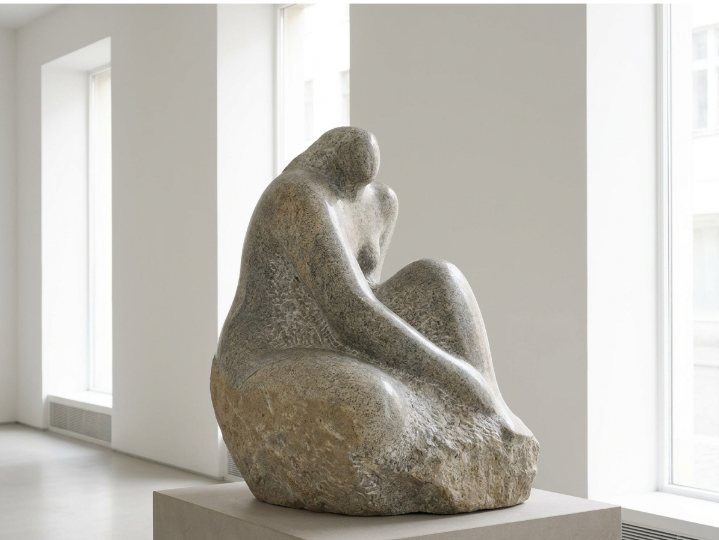
Carving stone is unforgiving work. There’s no undo button. Every strike of the chisel is permanent, which is exactly why skilled stone sculptors are held in such high regard. The result is often a piece that feels less “made” and more “revealed,” as if the figure was always inside the rock.
For collectors, stone sculptures bring a sense of permanence that’s hard to replicate. They anchor a space, indoors or out, with a quiet, grounded presence.
Bronze Sculptures
Bronze sculptures earn their reputation through the casting process, which lets artists capture intricate detail and smooth, refined surfaces that other materials struggle to match. It’s a technique that’s barely changed in thousands of years, because frankly, nothing better has come along.
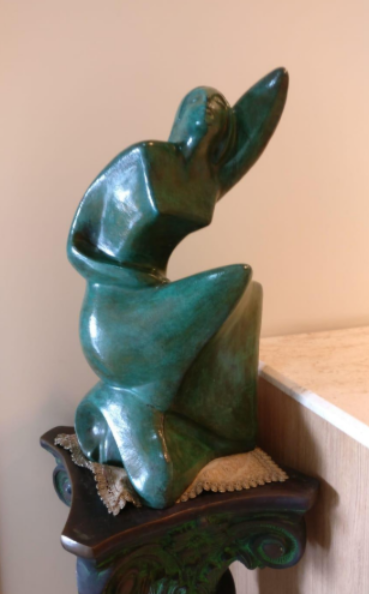
What makes bronze especially interesting is how it ages. Rather than deteriorating, it develops a patina, a natural shift in color and texture that gives every piece its own history over time. Two identical castings will look different after a decade, simply from how they were displayed and handled.
That combination of detail, durability, and character is why bronze remains a favorite in both classical and contemporary sculpture collections.
Marble Sculptures
Marble sculptures have a reputation for elegance that no other material quite matches. The stone has a natural translucence that lets it catch and hold light, giving carved figures a softness that can look almost lifelike under the right conditions.
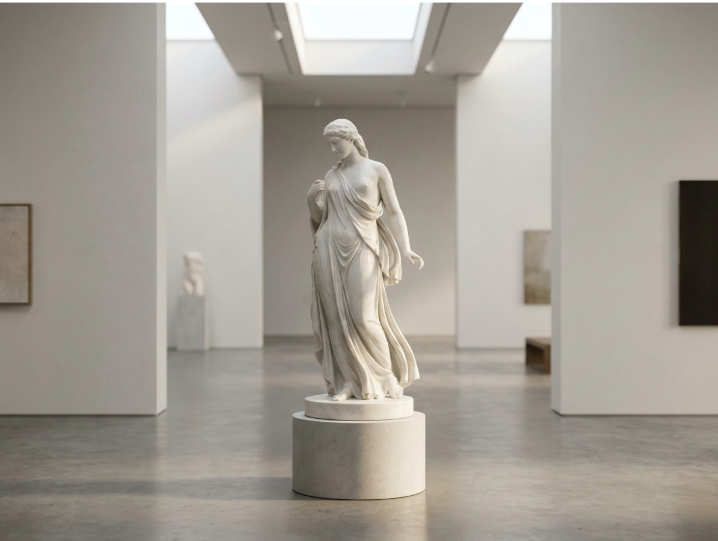
That same quality is what makes marble so demanding to work with. Sculptors need real precision to reveal fine details, like the curve of a hand or the folds of fabric, without damaging the stone’s delicate surface. It’s a material that rewards experience and punishes mistakes.
Few materials carry the same weight of prestige. A marble sculpture, whether classical or contemporary in style, tends to signal serious craftsmanship the moment you see it.
Wood Sculptures
Wood sculptures carry something the other materials on this list can’t fully replicate, individuality baked into the raw material itself. Every plank has its own grain, knots, and color variation, which means no two wood sculptures, even from the same design, will ever look identical.
Sculptors working in wood have to carve with the grain in mind, not against it, which means the material shapes the design almost as much as the artist does. That collaboration between artist and material is part of what gives wood sculptures their handmade, organic feel.
For interiors that lean warm and natural, a wood sculpture often fits more comfortably than stone or metal ever could.
Abstract Sculptures
Abstract sculptures skip representation entirely, working instead with pure shape, balance, and movement. Instead of showing you a recognizable figure, they hand you a visual experience and let you decide what it means.
That’s precisely the appeal for a lot of collectors. There’s no “correct” way to read an abstract piece, which is part of what keeps people coming back to look again. A sculpture that felt calm on Tuesday might feel tense on Friday, depending on your own mood and the light in the room.
Few art forms engage a viewer that actively. If you’re drawn to art that changes with you rather than staying static, abstract sculpture is worth spending real time with.
Modern Sculptures Today
Modern sculptures have moved well past the realism that defined earlier centuries, and that shift has opened up genuinely exciting territory. Instead of chasing lifelike accuracy, today’s sculptors experiment freely with shape, scale, and material combinations that would have seemed radical a hundred years ago.
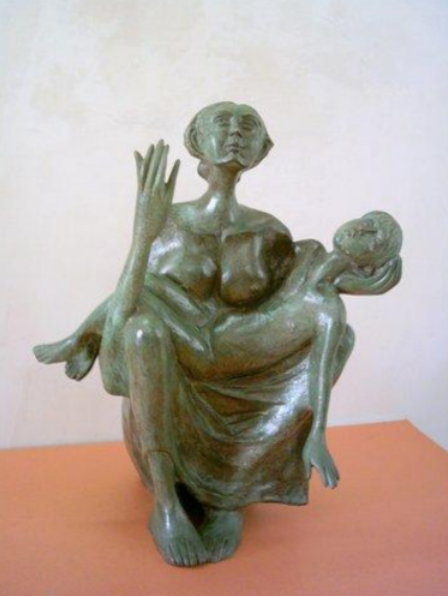
It’s common now to see glass paired with metal, or reclaimed wood sitting alongside polished stone in a single piece. That willingness to mix materials has turned sculpture into one of the more experimental corners of contemporary art.
At The Brush Strokes and Co, we’ve noticed collectors increasingly want a modern piece that acts as a statement, not just a decoration, but something that gives a room a clear point of view.
Contemporary Sculpture Trends
Contemporary sculpture keeps shifting alongside the broader conversation in design and culture. Right now, a lot of that energy is going toward minimalism, organic forms, and materials chosen with sustainability in mind. Artists are thinking as much about where their materials come from as what they’ll become.
Oversized statement pieces have also become far more common in homes and offices, alongside sculptures that tackle themes like identity and environmental change. That gives contemporary work an added layer of meaning beyond its visual impact.
Keeping an eye on these trends is useful even beyond curiosity. It helps collectors spot which emerging styles are likely to hold their value and cultural relevance over time.
Sculpture Materials Explained
The material behind a sculpture affects nearly everything about it. That includes how it looks, how long it lasts, and where it can realistically be displayed. Sculptors weigh these factors carefully before ever picking up a tool.
Stone, bronze, marble, wood, clay, metal, and resin remain the most common choices, and each brings its own trade-offs. Bronze and stone hold up well outdoors for decades. Clay and resin allow for finer, more delicate detail but need more careful placement indoors. Wood sits somewhere in between, offering warmth but requiring more attentive care.
Knowing these differences isn’t just trivia. It directly shapes which sculpture will actually work in your space, and how much upkeep you should expect down the line.
Sculpture Techniques Matter
Behind every finished sculpture is a technique that shaped how it came together, whether carving, modeling, casting, or assembling, each demanding a different kind of skill and patience. The method an artist chooses says a lot about the final piece before you even consider its subject.
Carving removes material to reveal a form, which leaves no room for error. Casting, by contrast, allows for repeated refinement before the final piece is poured. Modeling and assembling open the door to more experimental, mixed-material work.
Mastering any of these takes years, and it shows in the finer details, like proportion, surface finish, and the way light catches an edge. Understanding the technique behind a piece adds real depth to how you view it, turning a quick glance into genuine appreciation.
Indoor Outdoor Sculptures
Where a sculpture will live changes almost every decision that goes into choosing one. Indoor sculptures get to be more delicate, since they’re shielded from weather, while outdoor pieces need materials built to handle sun, rain, and temperature swings without losing their character.
Scale matters just as much as material. A piece that feels perfectly sized in a gallery can look lost in an open garden, or overwhelming in a modest living room. Getting the proportions right is what turns a sculpture into a natural focal point instead of an afterthought.
Whichever setting you’re working with, a sculpture chosen with the space in mind will always read as more intentional, like it belongs there rather than being placed there.
Collecting Fine Art Sculptures
Building a sculpture collection is less about acquiring pieces quickly and more about letting your taste develop over time. Every sculpture you bring in should say something about how you see art, not just fill a corner of a room.
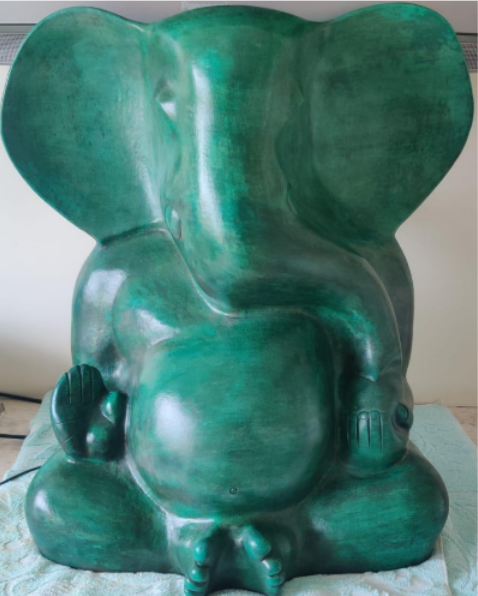
Most collectors find their focus gradually. Some gravitate toward bronze figures, others toward abstract stone forms, and plenty land somewhere in between. Material, scale, technique, and originality all factor into that decision, and there’s no rush to get it “right” immediately.
This is where we spend most of our time at The Brush Strokes and Co, helping collectors, from first-time buyers to seasoned enthusiasts, find sculptures that genuinely fit their space and story rather than just their wish list.
Caring for Sculptures Properly
Keeping a sculpture in great condition mostly comes down to consistency rather than effort. Regular, gentle cleaning prevents dust and grime from settling into fine details, while careful handling avoids the chips and scratches that are hard to undo later.
Indoor pieces do best away from direct sunlight and humidity swings, both of which can affect certain materials over time. Outdoor sculptures need periodic inspection, since weather exposure adds up gradually rather than all at once.
If you’re ever unsure how to care for a specific material, the team at The Brush Strokes and Co is happy to walk you through the right approach. A few good habits can keep a sculpture looking its best for generations.
Frequently Asked Questions
What Are Sculptures?
Sculptures are three-dimensional artworks made by carving, casting, modeling, or assembling materials like stone, bronze, marble, wood, clay, or metal. They’re designed to be viewed from multiple angles, which is what sets them apart from paintings or other flat art forms.
What Materials Are Used For Sculptures?
The most common materials are stone, bronze, marble, wood, clay, metal, and resin. Each one affects the sculpture’s appearance, durability, and overall style, so the choice of material is often as important as the design itself.
Which Sculpture Style Is Popular?
There isn’t one clear winner. It really depends on the collector. Abstract, contemporary, stone, and bronze sculptures each have strong, loyal followings, and popularity tends to shift with design trends and personal taste.
How Are Sculptures Created?
Sculptors use techniques including carving, modeling, casting, and assembling. The right method depends on both the material being used and the artistic effect the sculptor is aiming for.
How Should Sculptures Be Maintained?
Clean sculptures regularly using methods appropriate to their material, and keep them away from excess moisture, direct sunlight, and rough handling. Outdoor pieces benefit from periodic inspection to catch weather-related wear early.
Why Are Sculptures Valuable?
Sculptures hold value because of their originality, craftsmanship, and cultural significance. Collectors are often drawn to how they combine creative expression with lasting physical presence, making them meaningful additions to any home, gallery, or collection.
Sculpture art has survived thousands of years because it does something no other medium quite manages. It turns raw material into a physical presence you can walk around and return to again and again.
Maybe you’re drawn to the permanence of stone, the detail of bronze, or the bold statement of an abstract piece. Either way, there’s a sculpture out there suited to your space and your taste.
If you’re ready to start or grow your own collection, browse the curated selection at The Brush Strokes and Co. Our team is always glad to help you find a piece that feels like it was made for your space.