
Long before “wall art” became a design category, folk artwork was already doing its job quietly, in villages, on mud walls, across festival courtyards, and inside homes that had no need for a name for what they were creating. Folk artwork is not simply a beautiful addition to a room. It is a reflection of the people, traditions, and communities that shaped it over generations, and every brushstroke carries a story that ordinary décor simply cannot match. This piece traces where Indian folk art actually comes from, why it still matters in interiors that look nothing like the villages it was born in, and how to choose a handmade piece that will genuinely last.
More Than Decoration on Walls
Long before art galleries and museums existed as places to admire creativity, folk artists were already painting the world around them. Their inspiration came from nature, festivals, mythology, daily life, local customs, and the beliefs that held their communities together.
These paintings were never created to chase artistic trends. They were created to preserve memory, celebrate culture, and pass tradition from one generation to the next. That single fact is what separates folk artwork from almost anything you can buy in a home décor store today.
Even now, the significance has not faded. Techniques have evolved and artists experiment with new materials and formats, yet the heart of every painting stays rooted in heritage. Each piece represents years of craftsmanship, cultural identity, and creative expression that no machine or factory line can copy.
Where Folk Artwork First Began
Folk artwork did not begin in royal courts or prestigious art schools. It emerged from villages, forests, and small communities where creativity was tightly woven into daily life. Artists painted what they experienced and believed, turning ordinary moments into extraordinary works of art.
Unlike classical art created largely for kings and nobles, folk paintings belonged to the people. They decorated homes during festivals, marked important ceremonies, celebrated harvests, and carried stories that families had shared for generations. Every region developed its own visual language, shaped by local customs, materials, and beliefs, which is exactly why India’s folk art landscape feels so rich and varied today.
Skills Passed Through Family Hands
One defining trait of folk artwork is how the knowledge itself survives. Most artists learn their skills from parents, grandparents, or other members of their community rather than through formal art education.
Children often grow up watching experienced hands prepare natural colors, sketch traditional motifs, and complete intricate patterns freehand. Over time, these techniques become part of their own creative journey, keeping the tradition alive across generations without a single classroom involved.
This ongoing exchange of knowledge gives folk artwork an authenticity that simply cannot be manufactured. Every painting carries not just the artist’s creativity, but the accumulated wisdom of everyone who taught them along the way.
Everyday Life as Endless Inspiration
The inspiration behind folk artwork rarely comes from imagination alone. Festivals, weddings, farming, wildlife, village celebrations, mythology, music, and seasonal change all become subjects worth painting.
These works celebrate the moments communities value most. A simple tree can symbolize life and growth. Birds often stand in for freedom or prosperity. Animals, flowers, and traditional patterns reflect the close bond people have always shared with the natural world around them.
This connection to lived experience is exactly why folk artwork feels so genuine. Rather than keeping history locked inside books, folk artists preserved it on canvas, cloth, walls, and handmade paper, letting every new generation experience these traditions firsthand.
Madhubani Art from Bihar’s Heart
Originating in the Mithila region of Bihar, Madhubani art is known for intricate patterns, bold outlines, and vivid natural colors. Traditionally painted on walls and floors during festivals and weddings, it later moved onto paper and canvas, making it far easier to frame and display.
Recurring themes include fish, peacocks, lotus flowers, the sun, and the tree of life, each carrying its own cultural meaning. Today, Madhubani paintings are admired for their rich storytelling and decorative appeal, making them excellent statement pieces for living rooms, dining spaces, and hallways alike.
Warli Paintings from Tribal Maharashtra
Warli painting comes from the tribal communities of Maharashtra and is instantly recognizable through white figures set against earthy brown backgrounds. Despite its simple visual style, every composition tells a meaningful story about farming, hunting, dancing, or community life.
Circles, triangles, and straight lines combine to form expressive human and animal figures that capture the rhythm of rural life. Because of its minimalist charm, Warli artwork blends effortlessly into contemporary interiors, bringing warmth to a space without ever feeling overwhelming.
Pattachitra Tales from Ancient Odisha
Pattachitra is one of India’s oldest storytelling art forms, rooted in Odisha and parts of West Bengal. The name combines two Sanskrit words referring to paintings created on cloth or specially prepared surfaces.
These works are known for detailed borders, intricate linework, and vibrant colors. Many illustrate episodes from ancient epics, devotional traditions, and temple culture, making every composition visually rich and historically significant. Pattachitra pieces are often chosen by collectors who appreciate detailed craftsmanship paired with timeless narrative.
Gond Art from Central India
Created by the Gond tribes of central India, Gond art turns nature into imaginative visual stories. Trees, birds, animals, and rivers come alive through intricate dots, lines, and repeating patterns that create a sense of movement across the canvas.
Every element reflects the community’s deep respect for the natural world. Rather than simply illustrating wildlife, these paintings celebrate the belief that every living being carries its own spirit and energy, which is part of why Gond art feels so alive on a wall.
Craftsmanship Behind Every Handmade Piece
The beauty of folk artwork lies not only in how it looks, but in the remarkable craftsmanship behind every piece. Unlike mass produced décor, handmade folk paintings demand patience, precision, and years of practiced skill.
Even when two artists paint the same subject, no two pieces ever turn out identical. Small variations in brushwork, color application, and detailing give every painting its own identity. This individuality is what makes handmade folk artwork so valuable, and so different from anything printed on a production line.
Natural Pigments and Traditional Materials
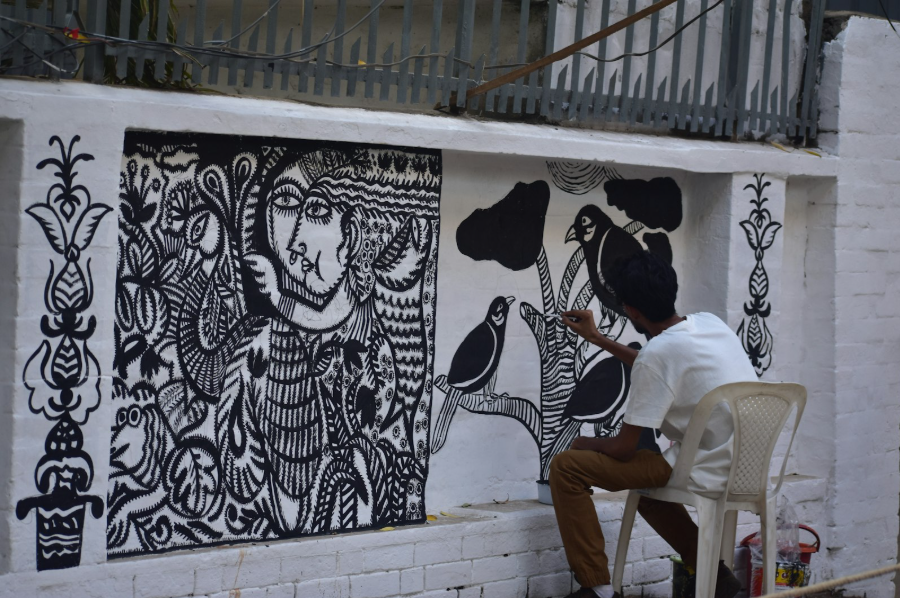
Many traditional folk artists continue to use materials inspired directly by nature. Pigments are often prepared from flowers, leaves, minerals, charcoal, clay, and plant extracts, while handmade paper, cotton cloth, or canvas provide the base for the work.
Although many contemporary artists also use modern paints for durability, the process stays connected to traditional, sustainable methods. These natural materials give folk paintings their distinctive texture and earthy character, something a printed reproduction can never fully imitate.
Techniques That Refuse to Fade
Every folk tradition has developed its own techniques across centuries of practice. Some artists rely on delicate brushwork, while others use bamboo sticks, cotton swabs, twigs, or handcrafted tools to build intricate detail.
The process demands patience and remarkable precision, with patterns built layer by layer to honor the traditions of a specific community. Despite the availability of modern technology, many artisans continue preserving these older methods, because that discipline is part of what makes the final piece authentic.
Why No Two Pieces Match
One of the greatest qualities of handmade folk artwork is its uniqueness. Slight variations in color, texture, composition, and brushwork ensure that every painting tells its own version of a familiar story.
These subtle differences are not flaws. They are proof of human hands at work. For collectors and homeowners, this means every piece carries a personality that cannot be duplicated by a machine made reproduction, which is exactly why folk artwork continues to be treasured across generations.
Folk Artwork in Modern Interiors
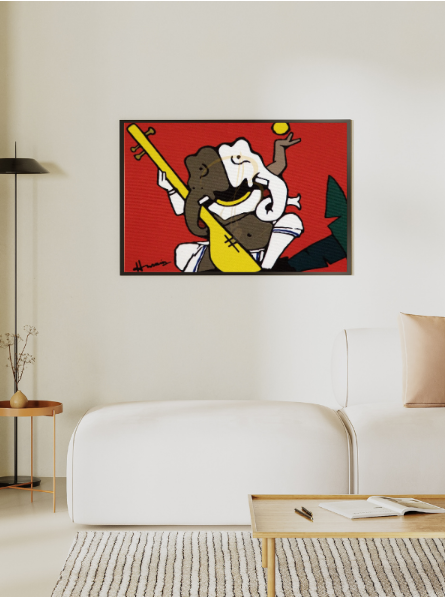
Folk artwork has found a comfortable new home inside contemporary interiors. Once linked mainly to traditional households, these paintings now appear in modern apartments, luxury residences, offices, cafes, hotels, and creative workspaces of every kind.
Unlike decorative pieces that simply follow a passing trend, folk paintings introduce authenticity into a space. They add warmth, texture, and personality while celebrating centuries of artistic tradition, which is exactly the balance that lets a single piece complement almost any interior style.

Choosing the Right Wall Space
Placement plays an important role in showcasing folk artwork properly. Large paintings create striking focal points in living rooms, dining areas, and entrance halls. Medium sized pieces work beautifully above consoles, sideboards, or study desks, while smaller works can be grouped into an eye catching gallery wall.
Good lighting enhances the intricate details and vibrant colors found in handmade folk paintings, and giving the piece enough surrounding space allows its craftsmanship to stand out without visual clutter. Thoughtful placement is what turns a painting into part of the room, rather than just another accessory hanging on it.
Original Paintings Versus Printed Copies
Original handmade paintings carry a uniqueness that reproductions cannot fully capture, since every brushstroke reflects the individual style of the artist who made it. Reproduced prints offer a more affordable alternative and allow more people to enjoy traditional designs.
However, prints often lack the texture, individuality, and handcrafted detail that make original folk artwork so distinctive. For anyone seeking authenticity and long term value, original artwork remains the more rewarding choice, especially for a piece meant to anchor a room for years to come.
Caring for Your Folk Artwork
With proper care, handmade folk paintings can retain their beauty for decades. Display artwork away from prolonged direct sunlight and excessive humidity to help preserve its natural colors and pigments.
Dust the surface gently using a soft, dry cloth and avoid abrasive cleaning products. This simple maintenance protects the craftsmanship behind the piece, ensuring it continues to enrich a home or workspace for many years after it was first brought home.
Supporting Artisans With Every Purchase
Choosing folk artwork is also a way of supporting traditional craftsmanship. Behind every painting is an artist who has often learned the craft through years of practice, family tradition, and cultural knowledge passed down without any formal record.
By bringing these paintings into modern homes and offices, buyers help preserve artistic practices that might otherwise fade with time. As interest in handmade art grows, supporting genuine craftsmanship becomes an increasingly meaningful choice, one that helps a centuries old skill survive into the next generation.
Why Authenticity Changes Everything
Authentic folk artwork carries a story that extends far beyond the finished painting. It reflects the artist’s heritage, creative vision, and traditional technique, qualities that mass production simply cannot replicate no matter how good the printer.
Choosing authentic pieces ensures that the recognition and appreciation belong to the communities responsible for preserving these remarkable art forms. It also means the painting on your wall carries a real history, not a copy of one.
Folk Artwork as Corporate Gifting
Folk artwork has quietly become a favorite choice inside a very different setting, the world of business gifting. A handcrafted Madhubani or Warli piece feels far more personal than a branded hamper, and it stays visible in an office long after the occasion that inspired it has passed.
Companies exploring corporate art gifts increasingly favor folk paintings because they combine cultural richness with a story worth telling. Recent industry analysis of the global corporate gifting market points to steady growth as businesses shift budgets toward gifts built to last, rather than items that get used once and forgotten. A framed folk painting fits that shift naturally, whether it is presented to a client, a retiring employee, or a long standing business partner.
Preserving Culture for Future Generations
Folk artwork serves as a visual record of India’s diverse traditions. Every painting preserves customs, festivals, folklore, and beliefs that have shaped communities for generations, often more vividly than any written account could manage.
Displaying these pieces in modern homes and offices does more than enhance interior design. It keeps cultural heritage visible, appreciated, and relevant for the generations still to come, turning a decorative choice into something closer to a quiet act of preservation.
Building a Meaningful Art Collection
Finding the right folk artwork is about more than choosing a design that matches your walls. The best paintings create a lasting connection, reflecting your personality while celebrating the traditions that inspired them in the first place.
Collectors and homeowners today have access to a wide variety of folk paintings, from vibrant Madhubani artwork to intricate Pattachitra masterpieces and contemporary interpretations of traditional styles. This diversity makes it possible to find a piece that complements both your space and your appreciation for Indian craftsmanship, rather than settling for whatever happens to be in stock nearby.
The Lasting Value of Artwork
The true value of folk artwork lies beyond its appearance. Every handmade painting represents time, skill, patience, and generations of accumulated knowledge, qualities that simply cannot be recreated through mass production no matter the budget.
As years pass, authentic folk paintings often become even more meaningful. They continue to spark conversations, prompt questions from visitors, and remind owners of the culture the piece represents, which is a rare thing for any object hanging on a wall to achieve.
Finding Your Perfect Folk Piece
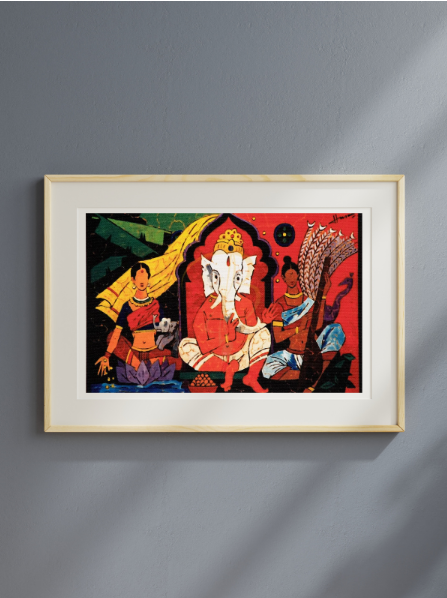
Every person connects with art differently. Some are drawn to the vibrant storytelling of Madhubani paintings, while others appreciate the simplicity of Warli, the intricate detailing of Pattachitra, or the lively rhythm found in Gond artwork.
Collections such as those curated by The Brushstrokes Company bring together carefully selected handmade paintings that celebrate India’s artistic heritage while complementing modern interiors. Explore the full art collection online, or browse dedicated ideas for festive gifting and wedding gifting if you are choosing a piece for someone else’s milestone rather than your own wall.
Whether you are searching for a statement piece for your living room or a meaningful gift for someone you admire, choosing folk artwork that resonates with you will always be the more rewarding decision. After all, the finest folk artwork does more than decorate a space. It preserves tradition, celebrates craftsmanship, and keeps generations of artistic heritage genuinely alive.
Frequently Asked Questions
What is folk artwork?
Folk artwork is a traditional form of art created by local communities using techniques and styles passed down through generations. It reflects regional culture, customs, beliefs, and everyday life rather than formal artistic training.
Why is folk artwork important?
Folk artwork preserves cultural heritage and traditional craftsmanship. It tells stories about local communities while keeping artistic practices alive for future generations to inherit and continue.
Which Indian folk art styles are most popular?
Some of the best known forms include Madhubani, Warli, Gond, Pattachitra, Kalamkari, Phad, and Cheriyal art. Each carries a distinctive visual style and its own regional cultural background.
Is folk artwork suitable for modern homes and offices?
Yes. Folk artwork blends beautifully with contemporary interiors by adding warmth, character, and cultural richness. It works well in living rooms, bedrooms, offices, dining spaces, and hallways alike.
How can I identify authentic folk artwork?
Authentic pieces usually display visible hand painted details, unique brushwork, traditional motifs, and slight variations that reflect the artist’s individual craftsmanship. Buying from trusted galleries or established art brands also helps confirm authenticity.
Are handmade folk paintings better than printed copies?
Handmade paintings offer originality, texture, and artistic value that printed reproductions cannot fully replicate. Prints remain a practical alternative, but original artwork provides a far more personal and lasting experience.
How should I care for folk paintings at home?
Keep paintings away from prolonged direct sunlight and excessive humidity. Dust them gently with a soft, dry cloth and avoid harsh cleaning products to help preserve their colors and finish.
Can folk artwork work well as a corporate gift?
Yes. A handcrafted folk painting feels far more personal than typical branded merchandise, and it continues adding character to an office long after the occasion that inspired the gift has passed.
Where can I buy authentic folk artwork online?
Authentic folk paintings are available through reputable art galleries, artisan collectives, and curated collections such as The Brushstrokes Company, where traditional craftsmanship is paired with quality presentation and reliable sourcing.