
MF Husain is regarded as one of the most influential figures in modern Indian art. His paintings turned ordinary subjects into powerful visual narratives, blending tradition with contemporary expression.
Through bold color, dynamic form, and unmistakable brushwork, he built a style that still inspires artists and collectors around the world today.
Often called the Picasso of India, Husain challenged artistic convention while staying deeply connected to India’s cultural heritage. His work explored mythology, history, rural life, music, cinema, and everyday experience, giving familiar subjects an entirely new visual identity.
What makes his art remarkable is how it communicates emotion without leaning on realism. His paintings encourage viewers to interpret stories through movement, color, and symbolism rather than intricate detail.
Today, MF Husain paintings continue to be displayed in galleries, museums, corporate collections, and private homes worldwide. Their appeal reaches well beyond decoration, representing creativity, cultural identity, and artistic freedom.
Collectors admire his work for its visual impact as much as its historical significance. Every painting reflects an important chapter in the evolution of Indian modern art, according to Britannica’s biography of the artist.
Understanding Husain’s legacy begins with understanding the journey behind his extraordinary vision, a career built on curiosity, perseverance, and a lifelong passion for expressing India through art.
The Artist Behind The Legend
Every great artist is shaped by experience that changes how they see the world. For Husain, those experiences became the foundation of a career that transformed Indian modern art and introduced it to an international audience.
Rather than following established tradition, he developed a visual language combining heritage with experimentation. His paintings celebrated Indian culture while embracing bold new ideas, letting his work stay both deeply traditional and remarkably contemporary.
That unique perspective helped Husain become one of the most recognizable artists of his generation, admired as much for originality as technical skill.
Early Years Of Discovery
Maqbool Fida Husain was born in 1915 and developed an interest in art from a young age. His early years were shaped by observation, curiosity, and a fascination with visual storytelling.
Before earning recognition as an artist, he painted cinema billboards and designed commercial advertisements. Those experiences taught him how to build large, expressive compositions that captured attention instantly, a quality that later became one of the defining traits of his paintings.
Even in these early years, his work reflected an eagerness to experiment rather than simply imitate existing styles.
Finding His Own Style
As his career evolved, Husain moved beyond realism to develop a bold, highly recognizable style. Strong outlines, simplified forms, expressive color, and energetic composition became central to his work.
Instead of chasing photographic accuracy, he sought to communicate emotion and movement. His paintings invited viewers to experience stories rather than simply observe them.
This distinctive visual language eventually established Husain as one of the leading figures of Indian modern art, earning recognition both nationally and internationally.
Stories Hidden In Colors
Every Husain painting tells a story, but rarely in a direct or literal way. His compositions combine symbolism, movement, and imagination, letting viewers discover new meaning each time they engage with the artwork.
Rather than portraying events exactly as they appeared, Husain interpreted them through emotion and artistic expression. Familiar subjects became layered narratives where color, shape, and composition worked together to communicate ideas beyond the canvas.
That ability to transform everyday themes into timeless visual stories remains one of the defining qualities of his work.
India Through His Eyes
India was one of Husain’s greatest sources of inspiration. Festivals, villages, musicians, dancers, historical figures, and everyday life appeared throughout his paintings again and again.
Instead of documenting these subjects realistically, he captured their spirit through expressive forms and vibrant color. His artwork celebrated the diversity, energy, and cultural richness that define the Indian experience, which is exactly why these paintings still resonate today.
Mythology Reimagined
Indian mythology occupied a central place in Husain’s artistic journey. Characters from ancient epics and sacred stories appeared throughout his work, interpreted with a fresh, contemporary perspective.
Rather than reproducing traditional illustration, he simplified forms and emphasized emotion, encouraging viewers to engage with familiar stories in entirely new ways. His approach proved mythology could stay relevant while continuing to inspire modern artistic expression.
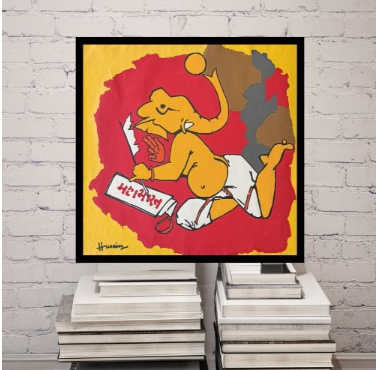
Women As Inspiration
Women appear throughout Husain’s body of work as symbols of strength, beauty, motherhood, grace, and cultural identity. Rather than portraying individual personalities, his figures often represented universal emotion and human experience.
His celebrated Gajgamini series is one of the clearest examples, using simplified form and expressive gesture to reflect dignity and movement rather than detailed realism.
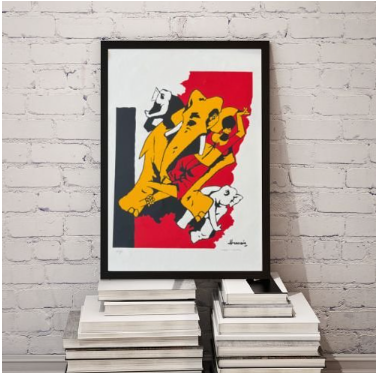
Through these compositions, Husain celebrated the many roles women play within society while exploring compassion, resilience, and creativity. These paintings remain among the most recognizable works in his legacy.
The Running Horse
Few subjects are as closely associated with Husain as the horse. His powerful horse paintings became one of his most recognizable signatures, admired for their energy, movement, and emotional intensity.
Instead of depicting horses with anatomical precision, Husain emphasized their spirit through bold brushstroke, flowing line, and dramatic composition. The result feels alive with motion and strength.
For many admirers, Husain’s horses symbolize freedom, courage, ambition, and the unstoppable force of creative expression, making them some of the most celebrated images in modern Indian art.
A Style Unlike Any Other
The artistic style of M.F. Husain is instantly recognizable. His paintings combine simplified form, bold color, expressive line, and powerful composition to create artwork that feels energetic and emotionally engaging.
Rather than relying on intricate detail, Husain focused on capturing the essence of his subjects. Every brushstroke contributed to the overall rhythm of the painting, letting movement and emotion matter more than realism.
Bold Colors Strong Lines
One defining trait of Husain’s paintings is his confident use of color and line. Rich reds, vibrant blues, earthy browns, deep blacks, and striking yellows combine with strong outlines to create dramatic compositions that capture attention instantly.
The simplicity of his forms lets viewers focus on the feeling behind each painting rather than getting distracted by unnecessary detail.
Movement In Every Stroke
Movement runs through almost every Husain painting. Whether portraying horses in full stride, dancers in motion, or mythological figures filled with energy, his compositions rarely appear static.
Flowing brushstrokes and carefully balanced forms create a sense of rhythm that makes every painting feel alive, which is a big reason his work still inspires artists across generations.
Emotion Before Detail
For Husain, emotion always mattered more than realism. Rather than painting every feature with precision, he simplified faces, figures, and objects to highlight mood and expression.
This approach encouraged viewers to connect emotionally with the artwork while interpreting its deeper meaning for themselves, a quality that continues to set his paintings apart within modern art.
Why Collectors Admire Husain
The appeal of M.F. Husain reaches far beyond galleries and museums. His paintings have become highly sought after because they combine artistic brilliance with cultural significance.
Every canvas represents a unique chapter in the story of Indian modern art, making his work both visually compelling and historically important. Browsing original paintings from his catalog is a good way to see that range firsthand.
Collectors value Husain not just for his distinctive style but for his ability to turn familiar themes into timeless work. His paintings keep inspiring conversation, evoking emotion, and offering new interpretation with every viewing.
Art Beyond Decoration
A Husain painting does much more than fill an empty wall. It becomes a statement of artistic appreciation, cultural awareness, and personal taste.
His work invites viewers to engage with story, emotion, and symbolism rather than simply admire technique, making the artwork an experience rather than just decoration.
A Timeless Investment
Original artwork by renowned artists often becomes more valuable with time, and Husain’s paintings are no exception. Their artistic importance, historical relevance, and international recognition have sustained strong interest among collectors and institutions.
Beyond financial value, owning a Husain painting represents an investment in India’s artistic heritage.
Global Recognition Continues
Although deeply rooted in Indian culture, Husain’s art has earned admiration well beyond national borders. His paintings have been exhibited in leading galleries and international art events, introducing global audiences to the richness of Indian modern art, a legacy well documented by DAG, one of India’s leading modern art galleries.
This international recognition has strengthened his position as one of the most celebrated Indian artists of all time.
Finding Husain In Modern Homes
Husain’s paintings continue to complement contemporary interiors because they combine bold expression with timeless elegance. Displayed in a minimalist apartment or a classic residence, his artwork creates a striking focal point that captures attention immediately.
The vibrant color, dynamic composition, and cultural narrative found in his paintings bring depth and personality to living spaces, becoming conversation pieces rather than fading into the background.
Creating A Statement Wall
A large Husain painting naturally becomes the visual centerpiece of a space. Living rooms, entrance halls, dining areas, and executive offices are ideal locations where the artwork can be appreciated without distraction.
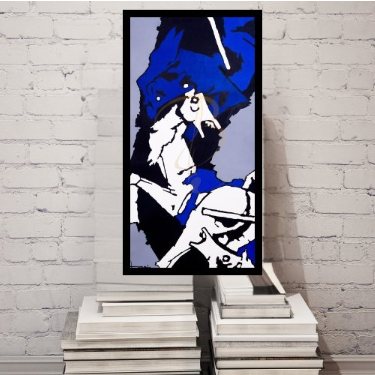
Giving the painting enough surrounding space lets its bold composition and expressive forms stand out, and carefully planned lighting further enhances the color and movement that define his style.
Blending Tradition And Modernity
One reason Husain’s work remains relevant is its ability to bridge traditional themes with contemporary design. Pieces like East Meets West show this balance directly, complementing modern interiors through simplified form while preserving strong ties to Indian culture and mythology.
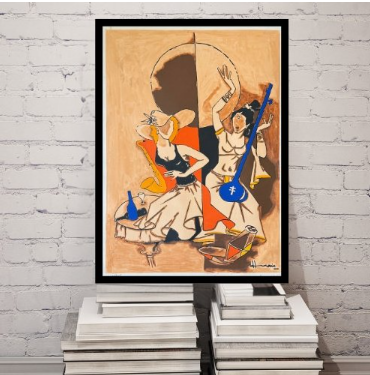
This balance lets his work fit naturally into both classic and minimalist spaces, resulting in an interior that feels sophisticated while celebrating artistic heritage.
Choosing The Perfect Artwork
Selecting a Husain painting starts with understanding the atmosphere you want your space to create. Horse paintings introduce movement and confidence, mythological compositions celebrate cultural identity, while figurative work adds depth and emotion.
Choosing a subject that resonates personally creates a stronger connection with the artwork, turning it into a lasting expression of creativity, culture, and individuality.
A Legacy That Lives On
The influence of M.F. Husain continues long after his lifetime. His fearless approach to creativity encouraged artists to explore new ideas while staying connected to their cultural roots.
Through his work, he demonstrated that tradition and innovation could exist together without compromise. Students, collectors, galleries, and artists continue to study his technique, composition, and artistic philosophy, ensuring his legacy stays relevant for future generations.
Few artists have shaped the identity of modern Indian art as profoundly as Husain, making his contribution both enduring and inspirational.
Influencing New Artists
Generations of contemporary artists have drawn inspiration from Husain’s confidence, originality, and willingness to challenge artistic convention. His expressive use of color, simplified form, and bold storytelling encouraged emerging artists to develop their own visual language rather than imitate existing styles.
His influence continues to show up across painting, illustration, design, and contemporary visual art.
Celebrating Indian Modern Art
Husain played a significant role in bringing Indian modern art to international attention. His work proved Indian artists could create globally admired art while staying deeply connected to their own culture and tradition.
Today, his legacy is a reminder that great art comes not from following trends but from expressing identity with honesty, imagination, and courage.
Where Iconic Collections Begin
Choosing artwork inspired by M.F. Husain means appreciating one of India’s most remarkable artistic legacies. His paintings continue to inspire because they combine cultural storytelling with bold artistic expression, making them timeless additions to both private and corporate collections.
Selecting meaningful artwork from a broader art collection lets you celebrate creativity while bringing lasting character into your space. Maybe you’re an experienced collector, or maybe you’re just beginning to appreciate modern Indian art. Either way, that same care applies.
A thoughtfully chosen painting becomes more than part of your decor. It becomes part of your own connection with India’s artistic heritage.
Choosing Authentic Artwork
Authenticity matters when appreciating or collecting artwork associated with legendary artists. Understanding the source, craftsmanship, and artistic inspiration behind a painting helps ensure every piece reflects quality and respect for the original creative vision.
Choosing from trusted serigraph prints and limited editions also provides greater confidence in a piece’s artistic value and presentation.
Finding Your Perfect Husain
Every admirer connects with Husain’s work differently. Some are drawn to his energetic horses, while others prefer his mythological narratives or expressive figurative compositions.
Collections offered by The Brush Strokes and Co celebrate the spirit of Indian modern art through carefully curated pieces inspired by timeless artistic tradition. Maybe you’re searching for a bold centerpiece for your living room, or maybe you want an elegant addition to your office. Either way, selecting artwork that resonates personally will always be the most meaningful choice.
The finest works inspired by M.F. Husain continue to celebrate imagination, cultural heritage, and the enduring power of artistic expression.
Frequently Asked Questions About M.F. Husain
Who Was M.F. Husain?
M.F. Husain, or Maqbool Fida Husain, was one of India’s most celebrated modern artists. He became internationally recognized for his bold paintings, expressive style, and contributions to Indian modern art.
Why Husain Is India’s Picasso?
He earned this title because of his innovative artistic approach, global recognition, and lasting influence on modern Indian art. His distinctive style transformed the way Indian themes were represented in contemporary painting.
What Subjects Did Husain Paint?
His work explored mythology, Indian culture, horses, women, musicians, cinema, village life, festivals, and historical themes, often presented through bold color and expressive form.
Why Are Husain Horse Paintings Famous?
His horse paintings symbolize strength, movement, freedom, and creative energy. Their powerful compositions and dynamic brushwork have become some of the most recognizable images in Indian modern art.
Are M.F. Husain Paintings Valuable?
Original Husain paintings are highly valued by collectors because of their artistic significance, historical importance, and international recognition.
What Makes M.F. Husain’s Style Unique?
His paintings are known for bold color, simplified figures, strong outlines, expressive movement, and emotionally driven composition that communicates ideas beyond realistic representation.
Can Husain-Inspired Artwork Suit Interiors?
Yes. The bold compositions and timeless themes of Husain-inspired artwork complement contemporary, minimalist, and traditional interiors while adding cultural richness and visual impact.
Why Husain Matters To Indian Art?
He played a major role in shaping Indian modern art by combining cultural tradition with innovative artistic expression, inspiring generations of artists in India and around the world.
Where To Buy Husain Inspired Artwork?
Curated collections such as those at The Brush Strokes and Co offer artwork inspired by India’s rich artistic heritage, making it easier to discover paintings that celebrate the creative spirit associated with legendary artists like M.F. Husain.
M.F. Husain spent a lifetime proving that tradition and innovation could sit on the same canvas without either one losing its voice. That’s exactly why his work still feels alive today, decades after it was first painted.
Explore the curated collection at The Brush Strokes and Co and bring home a piece of Husain’s living legacy.