
Sculptures bring shape, depth and texture into the spaces we live in. A bronze figure on a console, a carved stone artwork in an entrance or an abstract piece on a pedestal offers a different experience from a painting. Its appearance changes as you move around it and as light falls across its surface.
Understanding sculptures begins with knowing how their form, material and making process work together. This guide explores the main types of sculptures, common materials, Indian sculpture art and the details to consider before choosing a piece for your home or collection.
What Are Sculptures
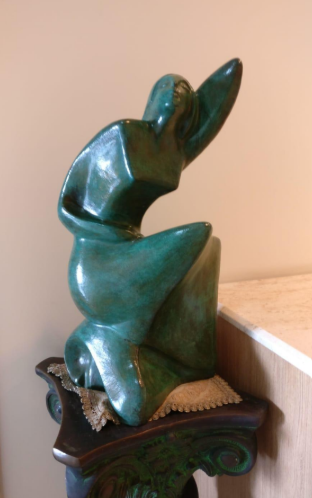
Sculptures are artworks created in three dimensions. Artists shape, carve, cast or assemble materials to produce forms with height, width and depth. A sculpture may represent a person, animal, deity or familiar object, or it may explore abstract shapes and ideas.
Some sculptures stand independently, while others project from a background surface. They can be small enough for a shelf or large enough to occupy a public square. Stone, wood, clay and metal are familiar materials, but artists also work with glass, resin, found objects and combinations of materials.
Different Types of Sculptures
Sculptures can be grouped by how they occupy space, what they represent and how they are made. These categories overlap. A bronze sculpture, for example, can be freestanding in form and figurative in style.
Freestanding Sculptures
Freestanding sculptures, also called sculpture in the round, occupy space independently rather than remaining attached to a background. Viewers can usually walk around them and see different aspects of the work.
A figure may reveal its expression from the front, its posture from the side and the treatment of its surface from the back. When displaying this type of sculpture, leave enough space for its shape to be appreciated from more than one angle.
Relief Sculptures
Relief sculptures remain connected to a background, with their forms projecting from its surface. In low relief, the projection is shallow. In high relief, the forms extend more prominently from the background.
Carved architectural panels and sculptural wall artworks are familiar examples. Relief can be an option when you want depth and texture on a wall but have limited floor space.
Figurative Sculptures
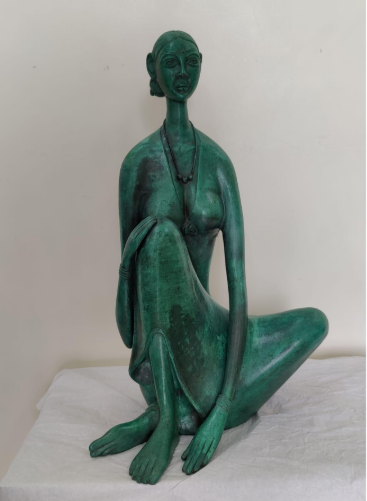
Figurative sculptures depict recognisable subjects, including people and animals. They may capture anatomy realistically or simplify and exaggerate forms to express movement, emotion or character.
Portrait busts, human figures and animal sculptures belong to this broad category. The subject is only part of the experience: posture, proportions and surface details also shape how viewers understand the work.
Abstract Sculptures
Abstract sculptures explore relationships between shapes, lines, volumes and empty spaces. Some retain a suggestion of a familiar subject; others do not represent an identifiable object.
When looking at an abstract piece, notice its balance, curves, edges and openings. Consider how its silhouette looks from different positions and whether it creates the mood you want in your space.
Religious and Spiritual Sculptures
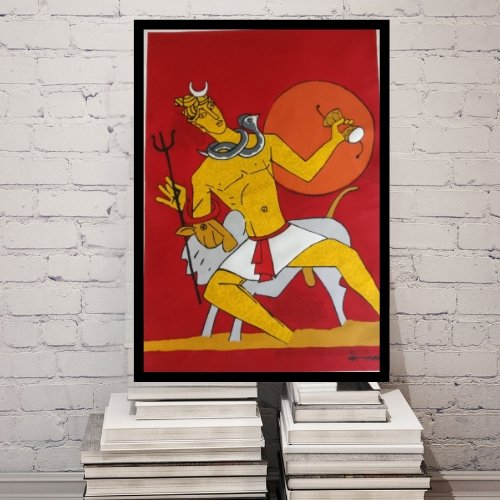
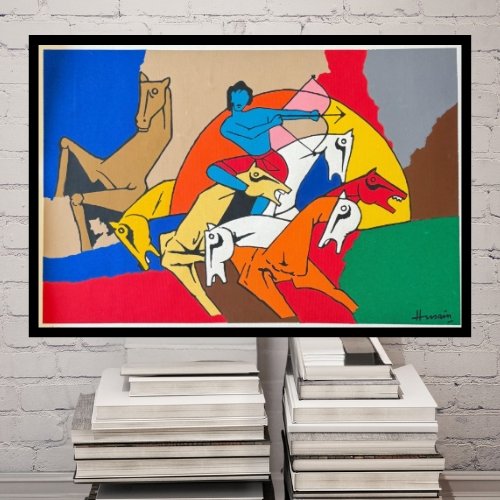
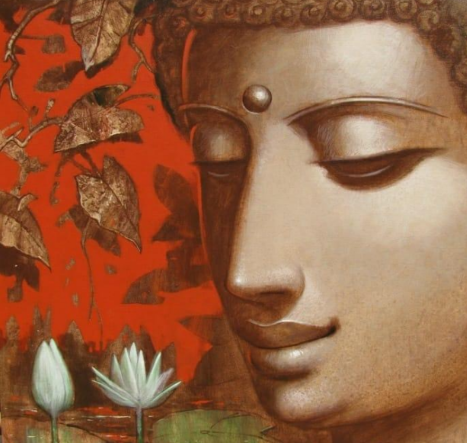
Religious sculptures depict deities, sacred figures, symbols or stories. Ganesha, Shiva, Krishna and Buddha are subjects found in Indian sculpture traditions and contemporary interpretations. The same subjects also appear across other art forms, such as these Ganesha paintings, Shiva artworks, Krishna paintings and Buddha paintings, which can help you compare how artists interpret one subject in two and three dimensions.
These works may serve devotional, cultural or artistic purposes. If choosing one as a gift, consider the recipient’s beliefs, preferences and intended placement rather than assuming that every spiritual subject suits every home.

Materials Used in Sculptures
Material influences a sculpture’s weight, texture, finish and care requirements. It also affects how an artist can shape the work. Before purchasing, ask for the actual material specification rather than relying on its colour or appearance.
Bronze Sculptures
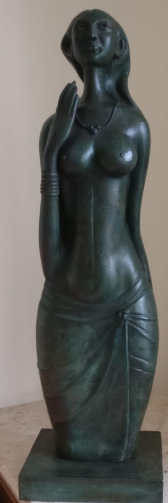
Bronze is used for both figurative and abstract sculptures. Casting allows artists to translate a model into metal while retaining detailed surfaces. A patina can give bronze different colours and finishes.
A bronze-coloured object is not necessarily cast bronze. Resin with a metallic finish and metal-filled resin are different materials. Ask the seller to explain the composition, casting details and any protective surface coating.
Stone Sculptures
Stone sculptures may be carved from marble, granite, sandstone or other stones. The material’s grain, colour and texture can become part of the artwork’s visual character.
Check the weight and base dimensions before installation. A substantial stone piece needs a suitable support, and any outdoor placement should be assessed for the particular stone, finish and local conditions.
Wood Sculptures
Wood offers natural grain patterns and a wide range of carved textures. Artists may work with a single block, combine sections or incorporate found wood into an assembled piece.
Wooden sculptures need a placement suited to their construction and finish. Ask about care requirements, especially when considering an area exposed to moisture, direct sunlight or changing indoor conditions.
Clay and Terracotta Sculptures
Clay can be modelled to create expressive forms and detailed surfaces. Terracotta is fired clay, often associated with earthy colours, although its appearance can vary with the clay and finish.
Check whether the work is fired, glazed, painted or otherwise treated. Delicate projections and edges need careful handling, and indoor or outdoor suitability should be confirmed for the individual piece.
Mixed Media and Contemporary Materials
Artists also use steel, glass, resin, textiles and found objects. Mixed-media sculptures combine materials, sometimes creating contrasts between smooth and rough surfaces or rigid and flexible elements. Contemporary artists also move between physical and digital fine art, exploring form in new ways.
Ask how the components are joined and whether any parts need special maintenance. The materials and construction should guide display and care decisions.
How Are Sculptures Made
Carving removes material from a larger block of stone, wood or another substance. Modelling builds and shapes a form using a workable material such as clay or wax. Casting transfers a form into another material through a mould. Assembly brings separate components together to create the finished work.
Lost-wax casting is one method used to make bronze sculptures. In simplified terms, a wax form is enclosed in a mould, the wax is removed and molten metal fills the resulting cavity. The cast is then finished. Artists and foundries can combine several processes within one sculpture.
Indian Sculptures and the B Vithal Collection
Indian sculpture encompasses devotional imagery, architectural carving, figurative work and contemporary experimentation. A useful way to explore this variety is to study individual artworks closely, rather than treating Indian sculptures as a single style. Institutions such as the National Museum, New Delhi hold sculptures spanning many centuries and regions.
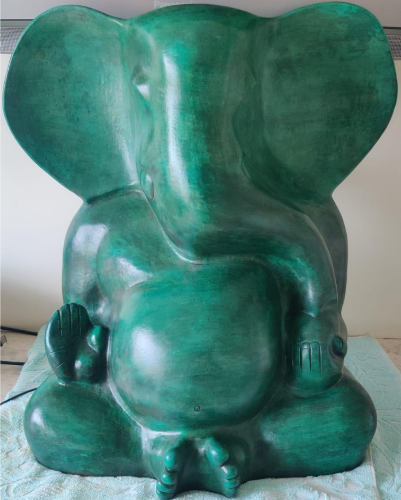
The Brushstrokes Co.’s B. Vithal collection includes a Ganesha sculpture. This provides a starting point for comparing sculptural form, subject and scale. When considering a work from the collection, review its photographs and ask for confirmed material, dimensions, condition and available documentation.
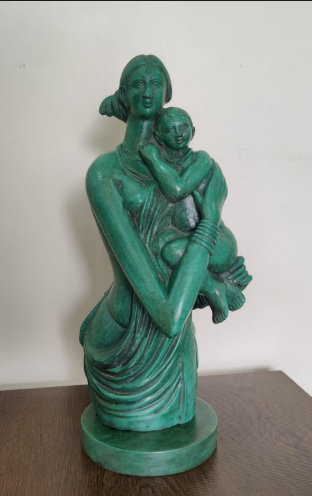
A subject label explains what a sculpture depicts, but close observation reveals more. Notice how the artist organises the volumes, treats the surface and balances the figure. These details can help you understand why one interpretation appeals to you more than another.
How to Choose Sculptures for Your Home or Collection
Begin with the artwork itself. Choose a subject or form that holds your attention, then assess whether the space can accommodate it. Measure the intended location and compare the sculpture’s full height, width and depth, including its base.
For a console or shelf, check the support’s load capacity and stability. A pedestal can give a freestanding sculpture more viewing space, while relief work requires secure mounting suited to its weight and construction. Avoid placing delicate pieces where they can be easily knocked over.
Lighting also changes how a sculpture looks. Try to understand how shadows reveal its contours and whether nearby objects distract from its outline. Photographs from several angles, a detail image and an image showing scale can help when buying sculptures online.
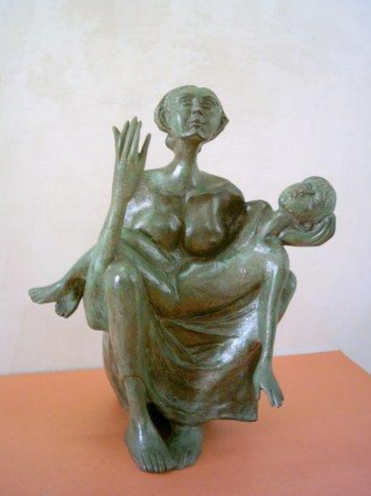
Before paying, confirm the artist attribution, material, condition and whether the work is unique, an authorised edition or a reproduction. Request an invoice and relevant supporting records. A signature or certificate should be considered alongside the work’s history and other evidence, rather than treated as sufficient proof on its own.
For editions, ask about the edition size, numbering and casting information. Also clarify packaging, shipping, installation requirements and the return policy. These details matter particularly for heavy or fragile artworks.
How to Care for Sculptures
Care depends on the material, surface treatment and condition of the individual sculpture. Obtain written guidance from the artist, gallery or a qualified conservator before using cleaning products or attempting repairs.
Avoid polishing a patinated surface without advice, as this may alter the intended finish. Support a sculpture securely when moving it and avoid lifting by projecting arms, decorative details or other vulnerable parts. For valuable, damaged or unfamiliar works, seek professional guidance, such as the resources shared by the Getty Conservation Institute.
Explore Sculptures at The Brushstrokes Co
Choosing a sculpture is easier when you understand its material, form and place in your space. Explore The Brushstrokes Co.’s sculpture collection and enquire about the pieces that interest you. Request current availability, confirmed specifications and additional photographs before making your decision.
Frequently Asked Questions
What are sculptures
Sculptures are three-dimensional artworks created by shaping, carving, casting or assembling materials. They may be freestanding, attached to a background or composed of multiple elements.
What are the main types of sculptures
Freestanding and relief describe how sculptures occupy space. Figurative and abstract describe approaches to representation, while terms such as bronze or wood identify materials. One sculpture can fit several categories.
What is the difference between a statue and a sculpture
A statue is generally a sculpture representing a person, animal or deity. Sculpture is the broader term and also includes abstract forms, relief works and other constructions.
Are bronze sculptures always unique artworks
No. A bronze sculpture may be a unique cast or part of an edition. Ask for the edition size, numbering, authorisation and casting records where applicable.
What should I check before buying sculptures online
Check the attribution, actual material, full dimensions, weight, condition and available documentation. Review images from several angles and confirm delivery arrangements and the return policy.
Can sculptures be displayed outdoors
Some can, but suitability depends on the material, finish, construction and environment. Confirm that the particular work is intended for outdoor display before installing it.
How should I clean a sculpture
Follow instructions specific to the artwork. Avoid general household cleaners or polishing treatments unless approved for its material and finish. Consult a conservator when uncertain.