
Indian Art Form continues to inspire generations because it carries stories, traditions, and cultural values that remain meaningful even as times change. A single painting can preserve a story long after the people who created it are gone, making art a lasting connection between the past and the present. Across India, every region has developed its own artistic identity, shaped by local history, beliefs, festivals, and everyday life. Each Indian art form reflects the heritage of the community it comes from while continuing to influence modern homes, collectors, designers, and artists across the world. Its enduring appeal shows that meaningful art never goes out of style.
What Makes Indian Art Form Timeless
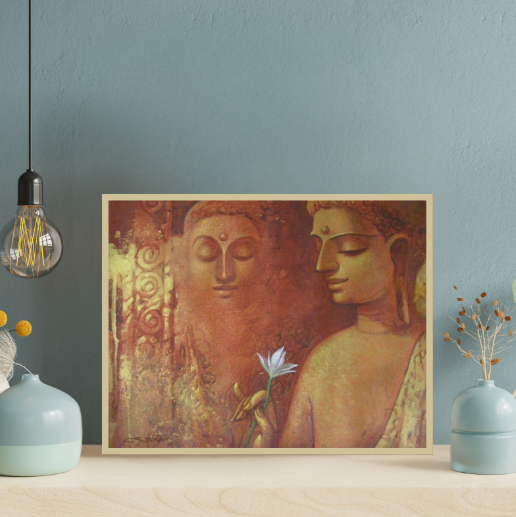
An Indian art form stays timeless because it’s deeply tied to the country’s cultural roots while still evolving with each generation. Unlike trends that fade quickly, these artworks hold onto stories, values, and craftsmanship nurtured over centuries.
Whether displayed in temples, royal courts, village homes, or modern interiors, Indian art keeps its emotional and cultural weight.
That ability to blend tradition with creativity is exactly what lets every generation appreciate and reinterpret it in new ways.
Stories Behind Every Stroke
Every brushstroke, pattern, and color in traditional Indian art carries a purpose. Many pieces depict scenes from mythology, local festivals, nature, or everyday life, turning each painting into a visual narrative.
Rather than just creating beautiful images, artists use their work to preserve memories, celebrate customs, and pass knowledge forward.
That storytelling tradition is a big reason Indian art continues to resonate across cultures and time periods, not just within India itself.
Tradition Meets Creativity
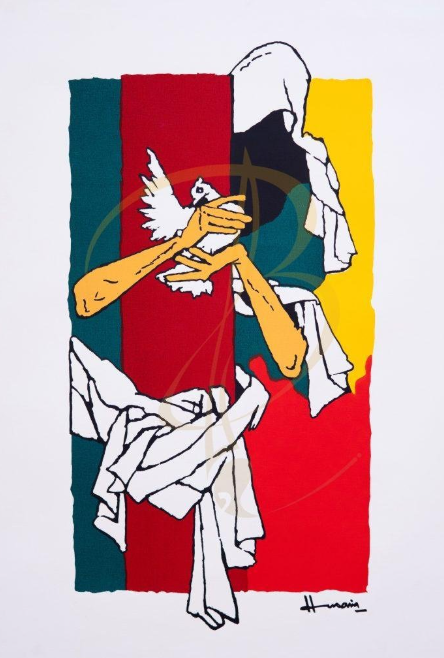
Traditional techniques still sit at the heart of most Indian art forms, but artists have never been afraid of creativity. New materials, contemporary themes, and modern presentation styles have helped these artworks reach wider audiences without losing their authenticity.
Modernist artists like M F Husain captured this balance especially well, using bold modern technique on subjects rooted deeply in Indian tradition.
This balance between preserving heritage and encouraging innovation is what keeps Indian art relevant in galleries, homes, and digital spaces alike.
Ancient Roots Still Inspire
Every Indian art form begins with a history stretching back thousands of years. Long before modern galleries and museums existed, artists created murals, sculptures, and paintings reflecting their communities’ beliefs and lifestyles.
The Victoria and Albert Museum’s South Asia collection, with thousands of paintings spanning centuries, is a good place to see just how far this history actually stretches.
These early works weren’t only expressions of creativity. They were a way to preserve history and pass knowledge from one generation to another, and their influence still shows up in art made today.
Royal Patronage Legacy
Many Indian art forms flourished because kings, queens, and royal courts supported them directly. Different dynasties encouraged artists to create masterpieces that decorated palaces, temples, and public spaces.
That patronage let regional styles develop their own identities while holding onto exceptional craftsmanship. The paintings and sculptures made during these periods still inspire artists and collectors around the world today.
Art Beyond Religion
Plenty of traditional artwork drew from spiritual belief, but Indian art has always explored themes well beyond religion. Artists captured daily life, nature, music, celebrations, and human emotion just as often.
Those subjects made art more relatable, letting every generation see something of its own experience reflected back.
That diversity of expression is a big part of why Indian art has remained meaningful across such different eras.
Indian Folk Art Lives On
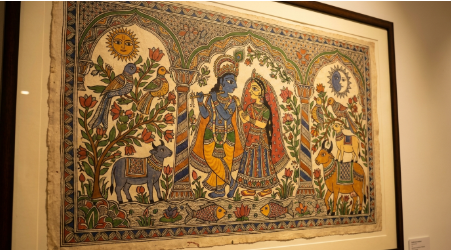
Among the many expressions of Indian art form, folk art remains one of the strongest links between past and present. Created by local communities using traditional techniques, these artworks reflect regional customs, festivals, and everyday experience.
Styles like Madhubani painting, documented by India’s own cultural archives, show just how detailed and symbolic this tradition can get.
Unlike art that stayed confined to royal courts, folk art belonged to the people, which is exactly what makes it such an important part of India’s cultural identity.
Families Preserving Heritage
In many parts of India, artistic tradition gets passed down within families. Parents teach children the same techniques, motifs, and storytelling methods they learned from earlier generations.
That continuous transfer of knowledge keeps traditional art alive while still giving younger artists room to add their own creative touch. It’s a big reason so many centuries old art forms are still thriving today.
Village To Global Stage
What once decorated village homes and community spaces is now admired by collectors, designers, and art enthusiasts worldwide. Exhibitions, online galleries, and cultural festivals have introduced Indian folk art to entirely new audiences.
That growing appreciation has opened up real opportunities for artisans, while also encouraging younger generations to keep preserving their own artistic heritage.
Regional Styles That Endure
India’s diversity shows up clearly in the sheer variety of its artistic traditions. Every region has developed its own distinctive Indian painting styles, shaped by local history, climate, culture, and available materials.
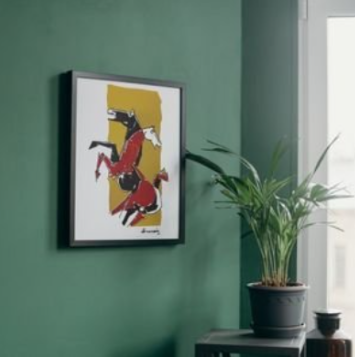
Together, these regional expressions showcase just how rich India’s artistic heritage really is, and how many different forms creativity can take within one country.
North Indian Traditions
Northern India is known for detailed miniature paintings, vibrant Pahari art, and Mughal inspired masterpieces. These styles often feature intricate patterns, royal themes, and carefully balanced composition that still influences artists today.
South Indian Expressions
Southern India has nurtured art forms built around spirituality, architecture, and classical tradition. Rich color, graceful figures, and symbolic elements define many paintings from this region, making them instantly recognizable.
Eastern Artistic Heritage
Eastern India is home to several celebrated folk traditions, including scroll paintings and intricate narrative artwork. These styles lean on bold lines, natural color, and a storytelling approach that has survived for generations.
Western Cultural Influence
Western India has produced distinctive art forms marked by geometric pattern, vibrant color, and community tradition. Warli painting, documented as part of India’s national cultural heritage, is one of the clearest examples, often reflecting local festivals and rural life.
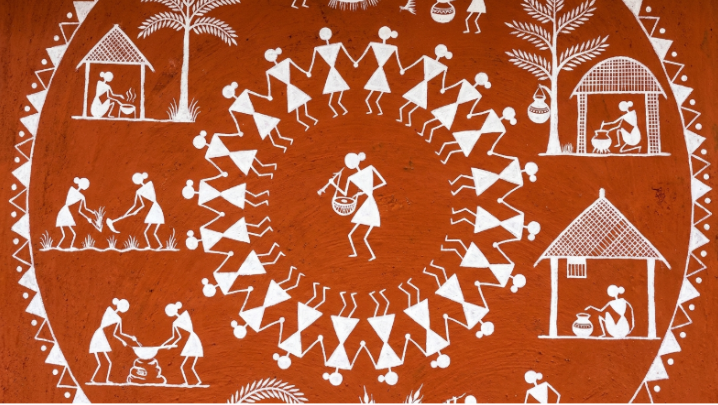
Artists Keeping Traditions Alive
Behind every surviving Indian art form are artists dedicated to preserving centuries of knowledge. Their work goes well beyond creating beautiful paintings.
They act as custodians of cultural heritage, making sure traditional techniques keep inspiring future generations while still adapting to today’s creative landscape. Browsing work from Indian artists is a good way to see this range firsthand.
Learning From Elders
Many traditional artists begin their journey learning directly from experienced family members or community masters. This hands on approach lets them understand not just technique, but the stories and cultural values behind every artwork.
That kind of personal guidance has been essential in keeping India’s artistic traditions genuinely authentic.
Passing Skills Forward
Today’s artists are finding new ways to share their knowledge, through workshops, educational programs, exhibitions, and online platforms. Teaching younger generations while reaching wider audiences at the same time is no small feat.
That dual effort is what ensures traditional Indian art stays relevant and keeps flourishing in the years ahead.
Modern Homes Choose Heritage
Traditional artwork has found a real place in contemporary interiors. Homeowners are increasingly choosing Indian wall art that reflects culture, craftsmanship, and personal identity.
Rather than following short lived decor trends, plenty of people are investing in timeless pieces from original paintings that bring real warmth, character, and history into their living spaces.
Traditional Art Decor
Paintings inspired by India’s artistic heritage complement both classic and modern interiors well. Their rich color, meaningful symbolism, and handcrafted detail create focal points that add real depth to a room.
Cultural Statement Pieces
A thoughtfully chosen piece of Indian art does more than enhance a home’s appearance. It tells a story, celebrates heritage, and creates conversation, which is exactly why interest in handcrafted, authentic decor keeps growing.
Technology Revives Indian Art Form
Technology has opened up new ways for every Indian art form to reach audiences well beyond its place of origin. Artists can now showcase work through online galleries, virtual exhibitions, and social media.
That access has made it easier to learn about different painting styles, understand their history, and support talented artists without geographic limits. Rather than replacing tradition, technology has become a genuine tool for preserving and sharing it.
Digital Art Discovery
Finding authentic Indian artwork is easier now than it’s ever been. Trusted platforms let collectors and first time buyers explore curated collections from home.
For anyone looking to bring timeless Indian paintings into their space, The Brush Strokes and Co offers a curated selection of traditional and contemporary artwork inspired by India’s artistic legacy. Built on a family passion for art spanning over six decades, the platform blends heritage with modern accessibility.
Young Collectors Growing
A new generation is starting to appreciate art not just as decoration, but as a way to express personality and celebrate culture. Younger collectors are investing in paintings that tell stories and hold lasting value.
That growing interest lets Indian art keep evolving while staying connected to its roots, giving artists and artisans real reason to keep their traditions alive.
Why Indian Art Form Matters
Every Indian art form represents more than artistic skill. It reflects centuries of history, regional tradition, cultural identity, and human creativity.
From ancient murals and folk paintings to contemporary interpretation, these artworks are a reminder that culture is best preserved when it’s still actively appreciated and shared. Supporting traditional artists and choosing authentic Indian artwork makes every collector part of that ongoing story.
Identity Through Creativity
Art has always been one of the strongest expressions of identity. It captures the beliefs, celebrations, landscapes, and stories that define communities across India.
Displaying traditional artwork isn’t simply a design choice. It’s a way of celebrating culture and keeping meaningful tradition visible in everyday life.
Legacy For Tomorrow
The future of Indian art depends on the choices made today. Learning about traditional art forms, supporting skilled artists, and investing in authentic paintings all help ensure these creative traditions keep inspiring future generations.
Maybe you’re an experienced collector, or maybe you’re just discovering Indian art. Either way, The Brush Strokes and Co makes it easier to find curated artwork that honors India’s heritage while still complementing modern spaces.
Frequently Asked Questions
What Is An Indian Art Form
An Indian art form is a creative tradition that reflects the culture, history, beliefs, and craftsmanship of different regions across India. It includes folk paintings, classical artwork, sculpture, textiles, and other artistic expressions passed down through generations.
Why Is Indian Art Form Important
Indian art forms preserve cultural heritage and tell stories that connect people with their history and traditions. They also support skilled artisans, promote regional identity, and continue inspiring contemporary artists and interior designers.
What Are Famous Indian Art Forms
India is home to many renowned art forms, including Madhubani, Pattachitra, Warli, Gond, Kalamkari, Phad, Tanjore, Pichwai, Miniature Painting, and Cheriyal. Each style carries its own distinctive technique, theme, and cultural significance.
How Has Indian Art Form Evolved
While traditional methods remain at the heart of Indian art, many artists now combine heritage with modern ideas, materials, and technique. Digital platforms and online galleries have also made Indian artwork far more accessible to collectors worldwide.
How To Identify Authentic Indian Artwork
Authentic Indian artwork is usually handmade using traditional techniques and reflects the unique characteristics of a specific regional style. Purchasing from trusted art galleries and established online platforms helps ensure quality and authenticity.
Do Traditional Indian Paintings Suit Homes
Yes. Traditional Indian paintings complement both classic and contemporary interiors. Their timeless design, meaningful symbolism, and handcrafted detail add warmth, character, and cultural value to living rooms, offices, bedrooms, and commercial spaces.
Where To Buy Authentic Indian Paintings
Trusted online galleries make it easy to explore and purchase authentic Indian paintings from anywhere. The Brush Strokes and Co offers a curated collection of traditional and contemporary artwork that celebrates India’s artistic heritage while complementing modern interiors.
How Does Buying Art Preserve Tradition
Purchasing authentic Indian artwork supports artists and artisan communities who continue practicing traditional technique. It also encourages younger generations to learn these skills, helping preserve India’s artistic heritage for years to come.
Every Indian art form carries a piece of the generation that made it, and the generation before that. Choosing to display one isn’t just decorating a wall, it’s keeping a story moving forward.
Explore the curated collection at The Brush Strokes and Co and bring home a piece of India’s living artistic legacy.