
Artwork comes in many different forms, from paintings and drawings to prints, sculptures and digital art. Within painting itself, there are numerous styles, subjects and mediums that can make understanding art feel complicated for someone just beginning to explore it.
So, what are the different types of artwork and paintings?
In this guide, we explain the major forms of artwork, popular types of paintings, common painting mediums and the differences between styles such as abstract, landscape, portrait and contemporary art.
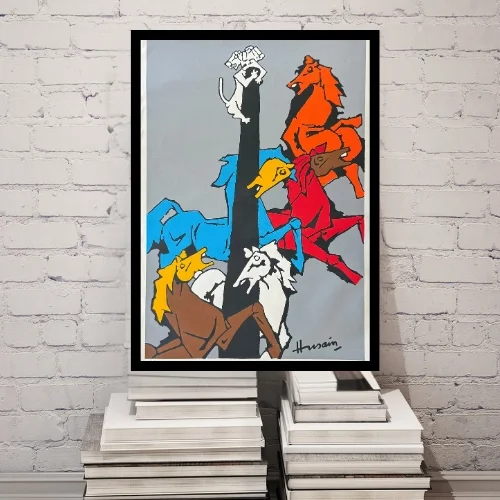
What Is Artwork?
Artwork is a broad term used for creative visual works produced by an artist.
It can include paintings, drawings, sculptures, photography, prints, mixed-media pieces, digital art and many other forms of visual expression.
A painting is therefore a type of artwork, but not every artwork is a painting.
The main difference is that paintings are generally created by applying pigments or colours to a surface such as canvas, paper, wood or a wall.
What Are the Main Types of Artwork?
Visual artwork can be divided into several major categories.
Paintings
Painting is one of the most familiar forms of visual art. Artists use materials such as oil paint, acrylic, watercolour or tempera to create images on surfaces including canvas, paper and wood.
Paintings may be realistic, abstract, decorative, symbolic or conceptual.
Drawings
Drawings are usually created using pencils, charcoal, ink, graphite, pastels or similar materials.
They can be finished artworks or preliminary studies used before creating a painting or sculpture.
Prints
Printmaking involves transferring an image from one surface to another.
Common forms include screen printing, serigraphy, lithography, etching and woodblock printing.
Limited-edition prints may also be signed and numbered by the artist.
Sculpture
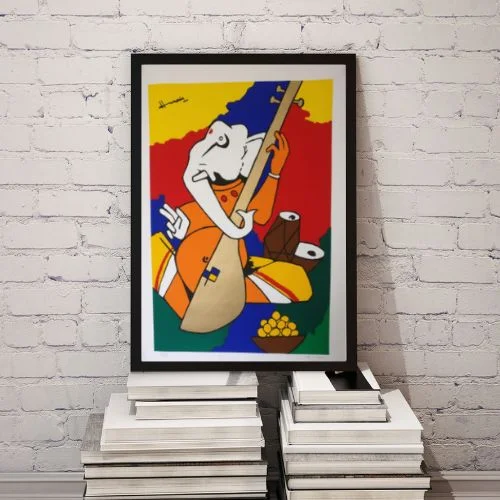
Sculpture is a three-dimensional form of artwork.
Artists may work with stone, metal, clay, wood, plaster or mixed materials to create freestanding or relief sculptures.
Photography
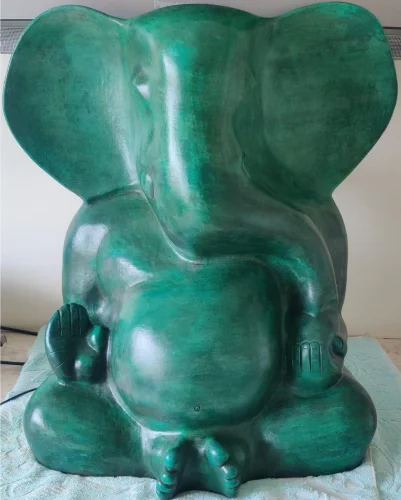
Photography is also considered a form of visual art when images are created with artistic expression, composition and intention.
Mixed-Media Artwork
Mixed-media art combines multiple materials or techniques in a single artwork.
An artist may combine paint, paper, fabric, photography, ink or other materials to create different textures and visual effects.
What Are the Different Types of Paintings?
Paintings can be classified in several ways, including by subject, style and technique.
Here are some of the most common types of paintings.
1. Abstract Paintings
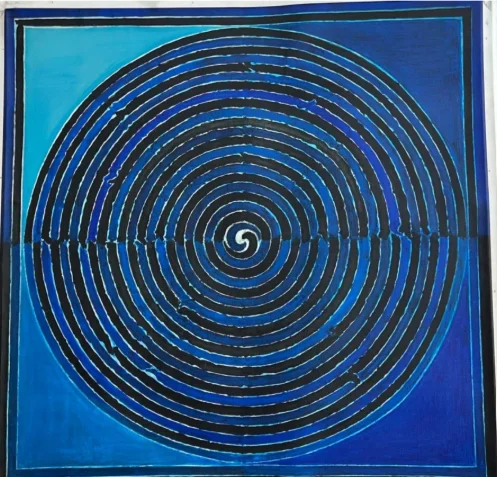
Abstract paintings do not always represent objects or people realistically.
Instead, artists use colour, shapes, lines, textures and forms to communicate ideas or emotions.
Some abstract artworks contain recognisable elements, while others are completely non-representational.
Abstract paintings are widely used in contemporary art and modern interiors because viewers can interpret them differently.
2. Landscape Paintings
Landscape paintings depict natural environments such as mountains, rivers, forests, countryside, oceans or city views.
Artists may paint landscapes realistically or interpret them using simplified forms and colours.
Landscape painting has been an important subject across many artistic traditions and remains popular today.
3. Portrait Paintings
Portrait paintings focus primarily on a person or group of people.
A portrait may aim to capture physical appearance, personality, emotion or social identity.
Portraits range from highly realistic paintings to expressive or abstract interpretations.
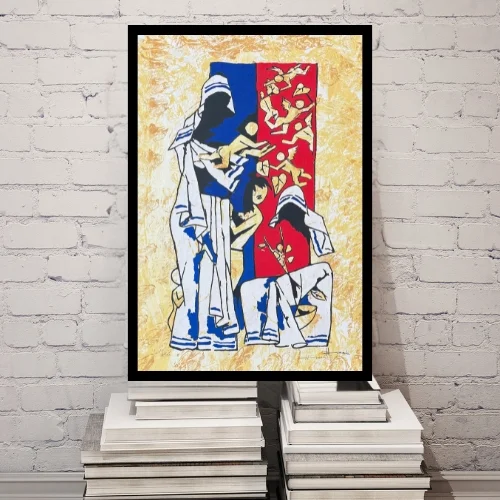
4. Still-Life Paintings
Still-life paintings feature arranged objects rather than people or landscapes.
Common subjects include flowers, fruits, vessels, books and household objects.
Artists often use still-life compositions to explore colour, light, texture and form.
5. Figurative Paintings
Figurative art contains recognisable human figures or objects.
Unlike completely abstract art, figurative paintings maintain some connection to the visible world.
The figures may still be distorted, simplified or presented in an expressive way.
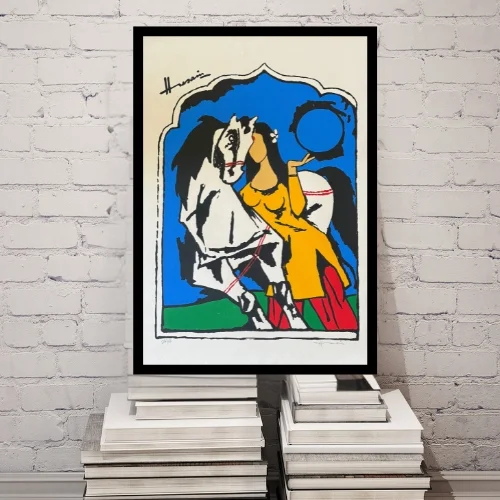
6. Nature Paintings
Nature paintings focus on elements from the natural world.
Subjects may include flowers, trees, birds, animals, plants and natural landscapes.
These artworks can range from realistic botanical studies to highly stylised contemporary compositions.
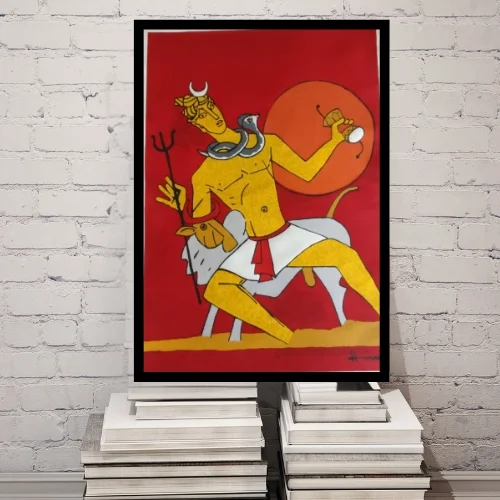
7. Religious and Spiritual Paintings
Religious and spiritual art depicts deities, sacred stories, symbols or spiritual ideas.
In Indian art, subjects may include Lord Shiva, Krishna, Ganesha, Hanuman and other religious figures.
Artists may approach these themes using traditional techniques or contemporary interpretations.
8. Contemporary Paintings
Contemporary art generally refers to art produced in the present era.
Contemporary painters often explore modern life, culture, identity, society, technology and personal experiences.
There is no single contemporary painting style.
It may include abstract, figurative, conceptual, minimalist and mixed-media work.
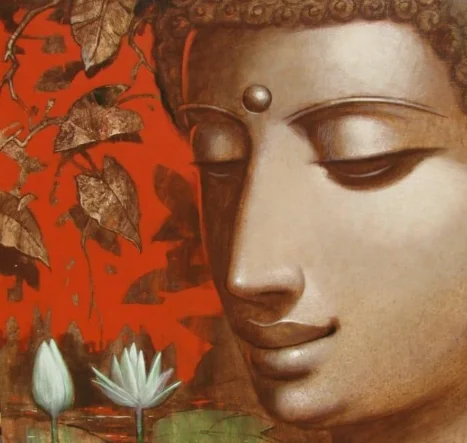
9. Modern Art Paintings
Modern art generally refers to artistic movements that developed from the late 19th century through much of the 20th century.
Artists moved away from strict realism and began experimenting with colour, form, perspective and abstraction.
Modern art includes movements such as Cubism, Expressionism, Surrealism and Abstract Expressionism.
Modern art and contemporary art are therefore not exactly the same thing.
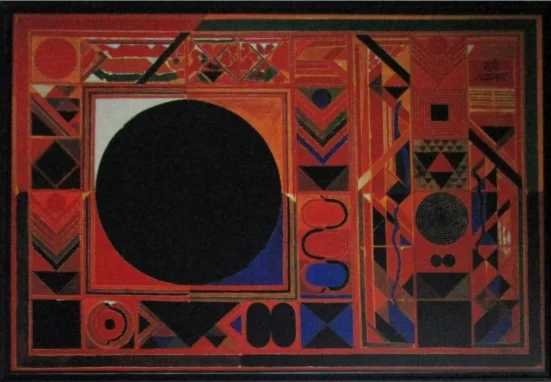
10. Indian Paintings
Indian painting includes an extremely wide range of traditions, regional styles and contemporary approaches.
Traditional examples include Madhubani, Warli, Pattachitra, miniature paintings and Tanjore art.
Modern and contemporary Indian artists have also developed distinctive approaches to abstraction, figurative painting and social themes.
Artists such as M. F. Husain, S. H. Raza, B. Prabha and many others have played significant roles in the development of modern Indian art.
Types of Paintings by Medium
Paintings can also be classified according to the materials used to create them.
Oil Paintings
Oil paintings are created by mixing pigments with drying oils.
Oil paint dries slowly, allowing artists to blend colours and build multiple layers.
It is often used for portraits, landscapes, realistic paintings and detailed compositions.
Acrylic Paintings
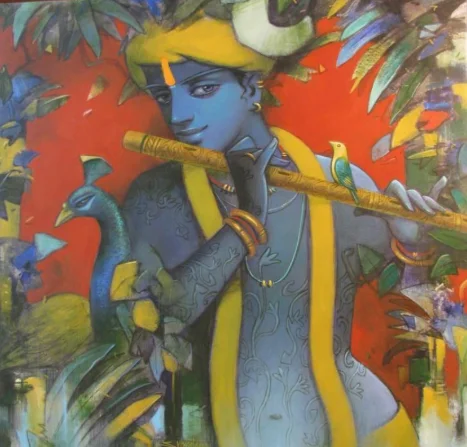
Acrylic paint is water-based and dries much faster than oil paint.
It can produce both thin washes and thick textured surfaces.
Because of its versatility, acrylic is widely used by contemporary artists such as Subrata Das.
Watercolour Paintings
Watercolour uses pigments mixed with water.
The paint is usually applied to paper and can create transparent, fluid layers.
Watercolour is commonly used for landscapes, botanical subjects and expressive studies.
Mixed-Media Paintings
Mixed-media paintings combine traditional paint with other materials.
Artists may incorporate paper, fabric, ink, photographs, metal or found objects.
This allows for greater experimentation with texture and composition.
What Is the Difference Between Art Style and Art Medium?
An art medium refers to the material used to create an artwork.
Examples include oil paint, acrylic, watercolour, charcoal and ink.
An art style refers to the visual approach or way in which the artwork is created.
Examples include abstract, realistic, minimalist and expressionist art.
For example, an artist could create an abstract painting using acrylic paint.
In this case:
- Abstract is the style.
- Acrylic is the medium.
Understanding this distinction makes it much easier to explore and compare different types of artwork.
Original Paintings vs Art Prints
Another important distinction is between original paintings and prints.
An original painting is created directly by an artist.
Its brushstrokes, colours, textures and details belong to that individual artwork.
An art print reproduces an existing image using a printing process.
Some prints are produced in unlimited quantities, while others are limited editions.
Serigraphs, for example, can be created in carefully controlled editions and may be signed and numbered by the artist.
Which Type of Painting Should You Choose?
There is no single type of painting that is best for everyone.
The right choice depends on what you enjoy looking at.
If you prefer bold colour and interpretation, abstract artwork may appeal to you.
If you enjoy natural scenery, landscape or nature paintings may be more suitable.
If you are interested in people and expressions, portraits or figurative art can be worth exploring.
Collectors interested in Indian culture and artistic history may also explore modern and contemporary Indian paintings.
Understanding the different categories makes it easier to discover which styles and artists genuinely interest you.
Frequently Asked Questions
What are the main types of artwork?
The major types of visual artwork include painting, drawing, sculpture, photography, printmaking, digital art and mixed-media art.
What are the most common types of paintings?
Common painting types include abstract, landscape, portrait, still life, figurative, nature, religious and contemporary paintings.
What is the difference between artwork and painting?
Artwork is a broad term covering many forms of visual art. Painting is one specific type of artwork created using pigments or paint on a surface.
What are the main painting mediums?
Common painting mediums include oil, acrylic, watercolour, tempera and mixed media.
What is abstract painting?
Abstract painting uses colours, shapes, forms and textures rather than relying entirely on realistic representations.
What is contemporary painting?
Contemporary painting generally refers to painting created by artists working in the present era and can include many different styles and subjects.
What is the difference between modern and contemporary art?
Modern art generally refers to artistic developments from roughly the late 19th to the 20th century, while contemporary art refers primarily to art being produced in the current period.
What is an original painting?
An original painting is a unique artwork created directly by the artist rather than a reproduction of another work.
Are art prints considered artwork?
Yes. Prints are a recognised form of visual art. They may include open-edition reproductions as well as artist-created limited-edition prints such as serigraphs and lithographs.
How do I learn about different painting styles?
Start by comparing major categories such as abstract, landscape, portrait, figurative, modern and contemporary painting. Exploring artists within each category can help you understand how styles differ.