
Walking through a gallery, or scrolling an art collection online late at night, most people type fine art into a search bar at some point and wonder what actually separates it from a decor poster or a printed cushion cover. That question is worth answering properly. Once you know what fine art really covers, buying a painting, a photograph or a small sculpture for your own home stops feeling like guesswork and starts feeling like a decision you can stand behind.
Here is the short answer first. Fine art is original artwork created mainly for its aesthetic and intellectual value rather than a practical use, and it spans painting, sculpture, drawing and photography. A hand painted canvas and an archival print can both qualify, provided the piece was made for creative expression first and function second. The rest of this guide walks through where that idea comes from, how to recognize it in a shop or online listing, and how to choose, frame and care for a piece once it is on your wall.
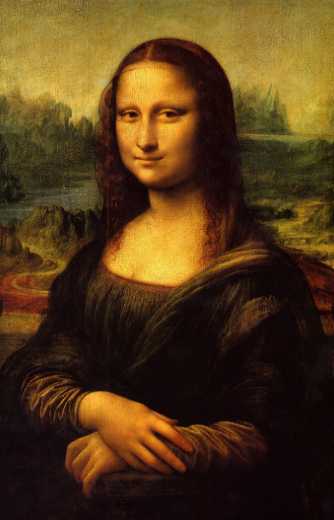
Few paintings define artistic mastery as clearly as the Mona Lisa, painted for its own merit rather than any practical use. Image via Wikimedia Commons, housed at the Musee du Louvre.
What Does Fine Art Mean
People often type fine art meaning into a search bar because they want a straight answer, not an art history lecture. Does a piece need to hang in a museum to count, or can a painting bought from a small studio in Jaipur or Mumbai carry the same label. It comes down to intent rather than price tag or gallery address.
A fine art piece is made primarily to be looked at, felt and thought about. A decorative art object, by contrast, is made to serve a function first, a hand painted plate, a patterned rug or an embroidered cushion, with visual appeal added on top. Neither category is lesser than the other. They simply answer different questions. Britannica’s dictionary definition frames the distinction the same way, describing it as art valued for beauty and expression rather than practical use, and that definition has held up remarkably well across centuries of shifting taste.
Under that definition, this includes painting, drawing, sculpture, printmaking and photography, along with newer forms such as installation and mixed media work. What it excludes is anything designed first to serve a job, however beautifully made that object might be.
Different Categories Of Original Art
This is not one single discipline. It is a family of practices that share a purpose, expression over function, while looking completely different from one another.
-
Fine Art Painting Explained Simply
Fine art painting is the category most people picture first, and for good reason. It covers oil, acrylic, watercolor, gouache and tempera work built up in layers on canvas, paper or board, each medium bringing its own texture, drying time and finish. Oil paint stays workable for days, which lets an artist blend and rework a passage slowly. Watercolor dries fast and rewards confident, deliberate strokes, which is part of why a strong watercolor painting reads as so alive on a wall. A collector browsing original paintings from The Brushstrokes Company will notice this variety immediately, from thickly textured acrylic abstracts to fine, controlled watercolor florals.
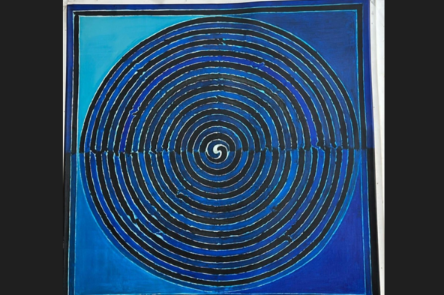
S H Raza’s geometric Bindu compositions remain a benchmark for collectors exploring original Indian painting. Image via The Brushstrokes Company S H Raza collection.
-
Fine Art Photography As Practice
If you have searched fine art photos online, you have likely noticed how different they look from a standard product shot or travel snapshot. This kind of photography treats the camera the same way a painter treats a brush, as a tool for composition, mood and atmosphere rather than plain documentation. Alfred Stieglitz, one of the earliest photographers to argue that a photograph deserved the same respect as a painting, proved the point with images built on light, geometry and human feeling rather than pure record keeping.

Alfred Stieglitz composed The Steerage in 1907 with the same attention to shape and balance a painter would use, helping establish photography as a serious visual art in its own right. Image via Wikimedia Commons.
A genuine collectible photograph is usually printed in a limited run on archival paper, signed and numbered by the photographer, which is what separates a collectible print from a mass produced poster of the same image.
-
Sculpture And Mixed Media Work
Sculpture rounds out the third major branch of artistic practice, working in bronze, wood, stone or mixed media rather than a flat surface. A well cast bronze figure or a carved wooden panel carries the same intent as a painting, made to be experienced rather than used, just expressed in three dimensions instead of two. Buyers exploring sculpture for a home or lobby space can browse a curated sculptures collection to see how bronze and mixed media pieces sit alongside painted work in a single décor scheme.
How Indian Painting Began Here
Art did not start with a gallery opening or an auction house. It started thousands of years ago, on cave walls and temple ceilings, long before anyone used the term.
-
Ajanta Caves And Early Origins
India’s own painting record stretches back roughly to the second century BCE, visible today in the rock cut caves at Ajanta in Maharashtra. Buddhist monks and artisans painted these walls using natural mineral pigments over a period spanning several centuries, producing scenes of extraordinary detail and emotional range that still survive today. UNESCO inscribed the Ajanta Caves as a World Heritage Site in 1983, recognizing them as one of the finest surviving examples of ancient Indian painting and sculpture anywhere in the world.
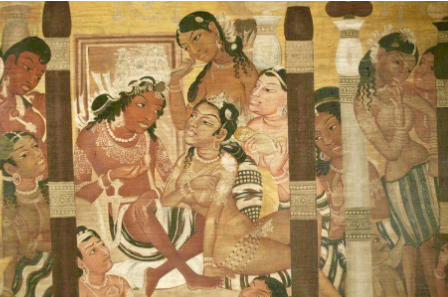
The murals inside Ajanta’s rock cut caves show that Indian painting has deep roots, long predating any modern label. Image via Wikimedia Commons.
-
Raja Ravi Varma Changed Everything
Centuries later, one Indian painter did more than almost anyone to bring original paintings into ordinary homes. Raja Ravi Varma, working through the late nineteenth century, combined European academic technique with Indian mythological subjects, then used oleograph printing to make his work affordable far beyond the royal courts that first commissioned it. His paintings of Shakuntala, Saraswati and other figures from Indian epics are still instantly recognizable today, and the Metropolitan Museum of Art’s Heilbrunn Timeline of Art History situates his work within the broader story of art adapting to new audiences and new technology.
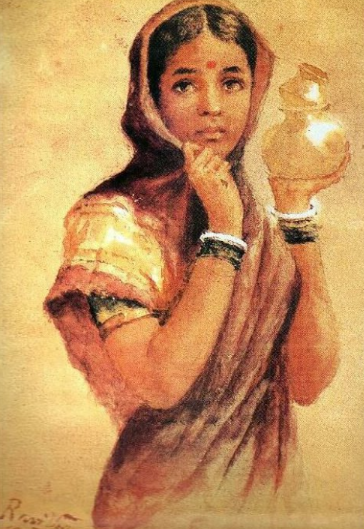
The Milkmaid shows the blend of European academic style and Indian subject matter that made Raja Ravi Varma’s work so widely reproduced. Image via Wikimedia Commons.
-
Modern Indian Painters Worth Knowing
The twentieth century brought its own turning points, from the Bengal School’s return to Indian aesthetic traditions to the bold, modern language of painters like M F Husain and S H Raza. Husain’s expressive figures and Raza’s geometric Bindu compositions sit at opposite ends of a shared tradition, one rooted in narrative, the other in pure form and color. Both remain benchmark names for anyone building a serious art collection today, and both are represented in The Brushstrokes Company’s Indian Artists directory.
Fine Art Versus Regular Prints
This is where most first time buyers get genuinely confused, and it is worth clearing up properly.
An original painting exists as one physical object, made entirely by hand, brush stroke by brush stroke. An archival print, sometimes called a giclee, is a high quality reproduction made from a digital scan of an original, printed in a limited, numbered edition on archival paper or canvas using pigment based inks rated to resist fading for decades. A serigraph sits somewhere in between, built up through multiple hand pulled screen printing layers rather than a single digital pass, which gives it more surface character than a standard print.
None of these formats is fake or lesser, provided the seller is honest about which one you are buying. A serigraph print from a respected artist can be a smart, more affordable entry point into serious collecting, while an original remains the only version that will ever exist in exactly that form.
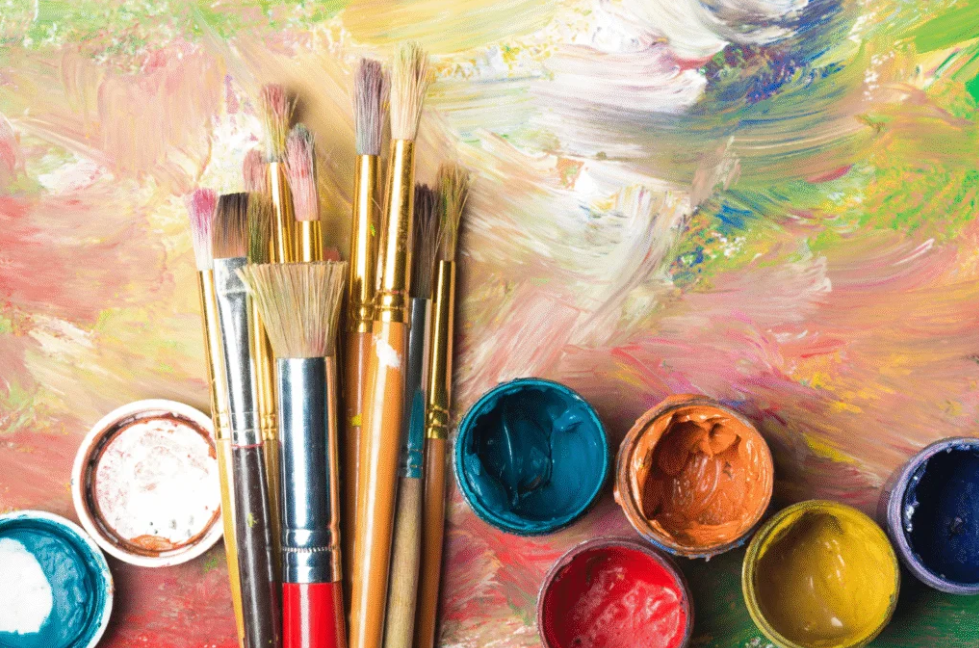
An original hand painted canvas carries visible brush texture and layered paint that no reproduction can copy. Image via The Brushstrokes Company original paintings collection.
| Format | What It Is | Typical Price Range | Best For |
| Original painting | One hand painted piece, unrepeated | Highest | Serious collectors, statement pieces |
| Serigraph print | Hand pulled screen print, limited edition | Mid range | Buyers who want texture on a budget |
| Giclee archival print | Archival pigment print from a scan | Most accessible | First time buyers, larger walls |
| Mass market poster | Offset print, unlimited run | Lowest | Temporary or rental décor only |
Is Fine Art Worth Buying
Owning original work earns its keep in a home in two separate ways, and only one of them ever shows up on a resale receipt. Original artwork by established or emerging artists can appreciate over time, making it both a decorative and investment purchase. Artists like Raza and Husain have demonstrated long-term demand, but meaningful appreciation often takes years. The greatest value comes from choosing artwork you genuinely enjoy living with, as it continues to enrich your space regardless of future resale value.
How To Spot An Original
A handful of practical checks separate a genuine original from an imitation, and none of them require an art history degree.
Check for a signature, and ideally a certificate of authenticity or a numbered edition mark for prints and serigraphs. Look closely at the surface under raking light, since an original painting shows real texture, ridges and brush direction, while a flat print stays perfectly smooth even where paint should logically sit thick. Ask directly what medium and edition size you are buying, and be wary of any seller who avoids a clear answer. A trustworthy source will also share the piece’s provenance, covering where it came from and who has owned it, a practice reputable galleries and platforms like The Brushstrokes Company build into every sale.
Choosing The Right Wall Art
The right choice depends entirely on the room it needs to fill and the mood that room is missing.
-
Living Room Wall Art Choices
Living rooms usually deserve the boldest piece in the house, since they carry the most foot traffic and conversation. A large, expressive painting above a sofa or console table gives a shared space real personality without needing a specific theme to justify it.
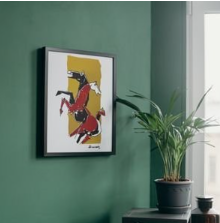
A tightly curated grouping of original paintings can anchor an entire living room around one confident visual idea. Image via The Brushstrokes Company art collections.
-
Bedroom And Office Wall Art
Bedrooms do better with calmer choices, soft toned watercolors or quiet color field paintings that support rest rather than compete with it. Home offices and corporate spaces suit structured, geometric fine art painting well, since the discipline in the piece tends to support focus rather than pull attention away from it. Businesses furnishing a boardroom or reception area can browse corporate art gifts and décor pieces built with exactly this setting in mind.
Framing And Lighting Your Fine Art
A strong painting can still look ordinary in the wrong frame or under the wrong light, so both deserve real thought.
Choose a frame that supports the piece rather than competing with it. A simple float frame in natural wood suits most contemporary paintings, while an ornate gilt frame tends to suit classical or traditional subjects better. UV filtering glass or acrylic is worth the extra cost for any original painting or archival print hung in direct or reflected daylight. On lighting, warm toned LED picture lights angled at roughly thirty degrees bring out texture and color far better than harsh overhead spotlights, which flatten a painting’s surface and wash out its depth.
Caring For Your Original Fine Art
Good care is simple, and it protects a piece for decades rather than years.
Keep original paintings and prints away from direct sunlight and air conditioning vents, since constant temperature and humidity swings stress both canvas and pigment over time. Dust gently with a soft, dry microfiber cloth rather than any liquid cleaner, and never place a valuable painting directly opposite a large west facing window with no UV protection. When moving a framed piece, always support it from both sides rather than lifting from the frame alone, and have any visible flaking or lifting paint looked at by a conservator quickly rather than waiting.
Original Fine Art For Gifting Occasions
Original art has become a genuinely popular gift for weddings, housewarmings and corporate milestones, and for good reason. Unlike most gifts, a painting or archival print grows more valued by the recipient over time rather than less, since it sits on a wall they see daily rather than sitting in a drawer. Buyers sourcing gifts for a wedding party or a bulk corporate order can browse wedding and bulk gifting options built specifically around this kind of occasion, alongside The Brushstrokes Company’s wider festive gifting range for anyone shopping ahead of a seasonal celebration.
Is A Fine Art Diploma Needed
This question comes up constantly from two very different groups, aspiring artists and nervous first time buyers, so it deserves a clear answer for both.
For an artist, a formal fine art diploma or degree is not strictly required to sell or exhibit work, but it does provide structured training in technique, art history and critical thinking that is genuinely hard to replicate alone. India has produced serious artistic talent through institutions like Sir J J School of Art in Mumbai, founded in 1857 and one of the oldest art schools in Asia, and the Lalit Kala Akademi, India’s National Academy of Fine Arts, which supports and documents contemporary practice across the country. Plenty of respected working artists are self taught, though, and a diploma has never been the sole marker of skill or authenticity.
For a buyer, the answer is simpler still. A diploma alone tells you about an artist’s training, not directly about whether a specific painting is worth buying. Judge the work itself, its technique, composition and condition, alongside the artist’s exhibition history and market reputation, rather than assuming a credential alone settles the question.
Common Mistakes Buying Original Fine Art
A short list worth checking before any purchase, painting, print or sculpture alike.
- Buying a piece sized for a showroom photo instead of the actual wall it needs to fill at home.
- Assuming every archival print is inferior to an original, rather than checking the edition size and print quality first.
- Skipping questions about medium, edition number or provenance because a piece looks convincing online.
- Hanging valuable work directly opposite strong daylight with no UV protection on the glass or acrylic.
- Choosing a painting purely for expected resale value rather than genuine appeal, which usually backfires either way.
- Framing a bold, expressive painting in an overly ornate frame that fights the piece instead of supporting it.
Fixing even two or three of these makes a bigger visible difference in the finished room than spending more on the artwork itself.
Frequently Asked Questions About Fine Art
What is the simplest definition of fine art?
It is original artwork, painting, sculpture, drawing or photography, created mainly for its aesthetic and intellectual value rather than a practical function.
What does fine art meaning actually come down to?
It comes down to intent rather than price or venue. A piece counts as such when it was made primarily to be experienced and thought about, not to serve a practical job.
What are fine art photos, exactly?
These are photographs composed and printed with the same artistic intent as a painting, often produced as signed, numbered, archival prints rather than mass market copies.
Is a fine art diploma required to become a professional artist?
No. It helps build technical skill and critical grounding, and institutions like Sir J J School of Art have trained generations of Indian artists, but plenty of respected painters are self taught.
What is the difference between fine art painting and decorative art?
Fine art painting is made primarily to be viewed and felt, while decorative art serves a practical function first, with visual appeal layered on top.
How can I tell if a painting is a genuine original?
Look for visible brush texture under raking light, ask for a signature and provenance details, and be cautious of any seller who avoids clear answers about medium or edition size.
Is original art a good investment for a first time buyer?
It can appreciate over time, especially work by established names, but choose a piece you genuinely want to live with first and treat any future appreciation as a bonus rather than the main reason to buy.
How do I protect original art from fading or damage at home?
Keep it away from direct sunlight and air conditioning vents, use UV filtering glass where daylight is unavoidable, dust gently with a dry microfiber cloth, and have any damage checked by a conservator early.
Your Next Step In Fine Art
A blank wall rarely stays interesting for long, no matter how good the furniture around it looks. The right piece of fine art changes that fast, giving a room a focal point that no cushion or lamp can provide on its own, whether that piece is a hand painted canvas, a signed art photograph or a small bronze sculpture on a console table.
If you are ready to bring an original piece home, explore The Brushstrokes Company’s original paintings collection, browse artist led work from names like S H Raza and M F Husain through the Indian Artists directory, or get in touch directly for a personal recommendation sized for your own wall. A painting chosen with real thought will not just fill a wall. It will make the whole room feel finished.