
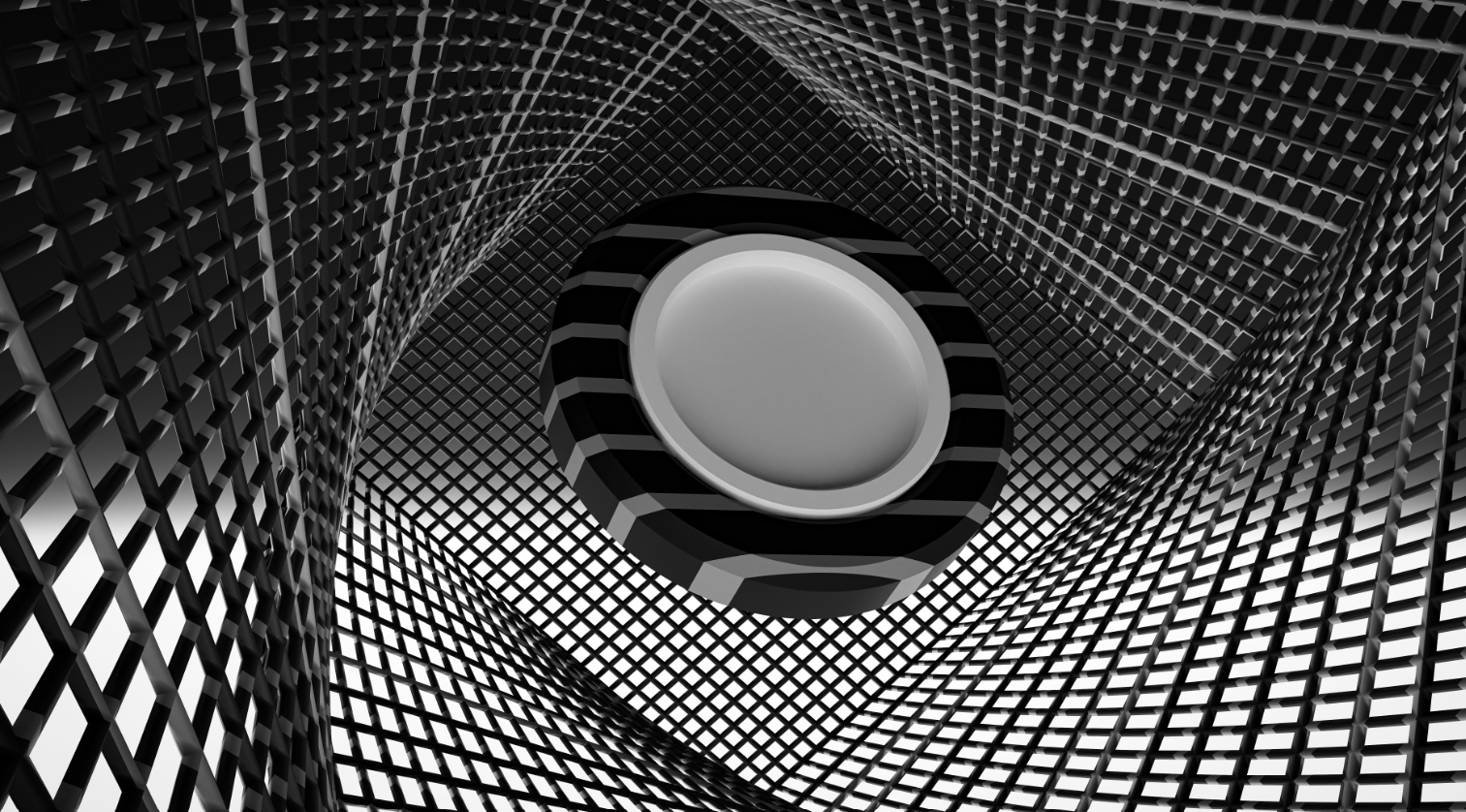
Illusion artwork uses geometric patterns and perspective to create the sense of depth on a flat surface.
The illusion artwork trend has changed how people think about wall décor in India. Instead of a painting that simply hangs on a wall, illusion artwork appears to move, bend, or step forward into the room. Homeowners, designers, and gift buyers are choosing illusion artwork because it makes a plain wall feel alive without any renovation.
This growing interest is not just about novelty. Illusion artwork rewards a closer look. A piece that seems flat from one angle can suddenly reveal depth, motion, or a hidden shape from another. That layered experience is exactly why illusion artwork photographs well for social media and sparks conversation among guests, which is part of why demand for illusion artwork has grown steadily across Indian homes and offices.
This guide explains what illusion artwork actually is, how 3d illusion artwork tricks the eye, and how to choose the right illusion pictures 3d for your own space. It also covers optical illusion artwork techniques, common buyer mistakes, and where illusion in pictures fits within India’s broader art and gifting culture, so you can buy with confidence rather than guesswork.
What Illusion Artwork Really Means
Illusion artwork is a category of painting or print built around techniques that trick the eye into perceiving depth, movement, or a shape that is not physically there. The artist uses shading, perspective lines, and colour contrast so the canvas appears three-dimensional even though the surface is flat.
The word “illusion” here refers to a controlled visual effect, not a magic trick. Every piece of illusion artwork is created using established principles from art and design, including linear perspective, forced shadow, and repeated geometric patterns. These same principles appear in classical trompe l’oeil painting, a European tradition that literally means “deceive the eye.”
Illusion artwork sits alongside other decorative categories such as abstract and modern artwork and figurative art, but its core purpose is different. Where abstract art invites open interpretation, illusion artwork is engineered to produce a specific visual reaction, usually surprise or delight, the moment someone looks at it from the right angle.
How 3D Illusion Artwork Tricks The Eye
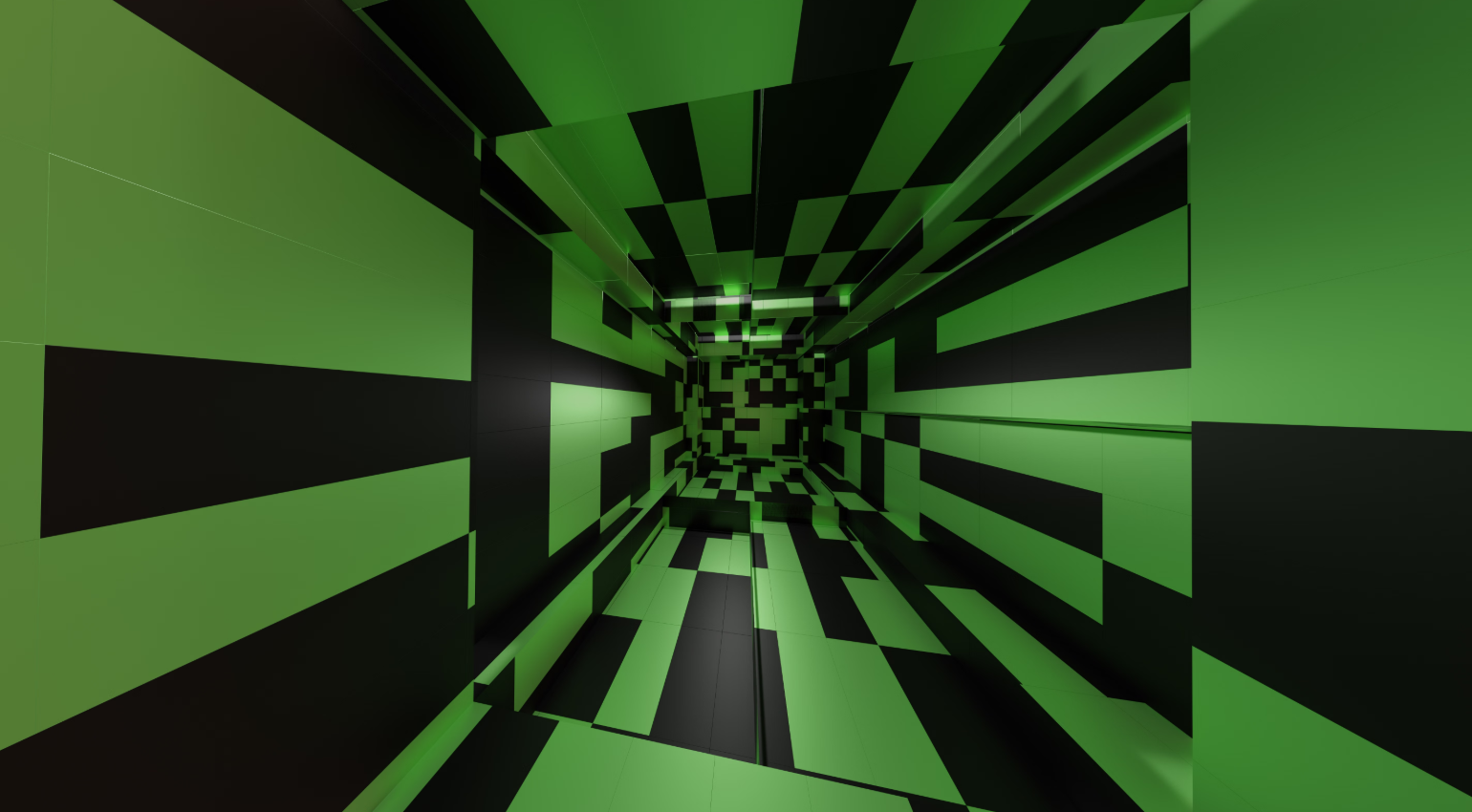
Forced perspective and graduated shadow are two of the core techniques behind convincing 3d illusion artwork.
3d illusion artwork relies on a handful of proven visual techniques rather than random shading. Understanding these techniques helps buyers judge quality and also appreciate the skill behind each piece.
- Forced perspective: Lines converge toward a vanishing point, making a corridor, staircase, or tunnel appear to recede into the wall.
- Graduated shadow: Darker tones near the base of a shape and lighter tones near the top mimic how light falls on a real object, giving flat paint the appearance of volume.
- Anamorphic distortion: The image is deliberately stretched so it only “resolves” into a realistic 3D shape when viewed from one specific spot, a technique borrowed from street art and large mural installations.
- Layered colour contrast: Warm colours appear to advance toward the viewer while cool colours recede, so artists use this contrast to push certain elements forward.
Good 3d illusion artwork combines two or three of these techniques rather than relying on just one. A single shadow trick can look convincing in a photograph but fall flat in person, so buyers should always view illusion pictures 3d from a few different distances before deciding.
Illusion Pictures 3D Versus Traditional Paintings
A common question from first-time buyers is how illusion pictures 3d differ from a traditional painting hung in the same space. The honest answer is that both can be original works of art, but they are built to be experienced differently.
| Aspect | Traditional Painting | Illusion Pictures 3D |
|---|---|---|
| Viewing experience | Consistent from most angles | Changes with angle and distance |
| Primary technique | Composition, colour, brushwork | Perspective, shadow, forced depth |
| Best placement | Eye-level focal wall | Corridors, entryways, feature walls |
| Common subjects | Landscapes, portraits, abstract themes | Geometric patterns, tunnels, floating shapes |
| Buyer expectation | Emotional or aesthetic response | Visual surprise plus aesthetic response |
Neither format is objectively better. A collector building a serious art collection may prefer traditional paintings for their long-term critical and cultural value, while a homeowner wanting a striking entryway statement often gravitates toward illusion artwork for its immediate visual impact.
Optical Illusion Artwork Styles To Know
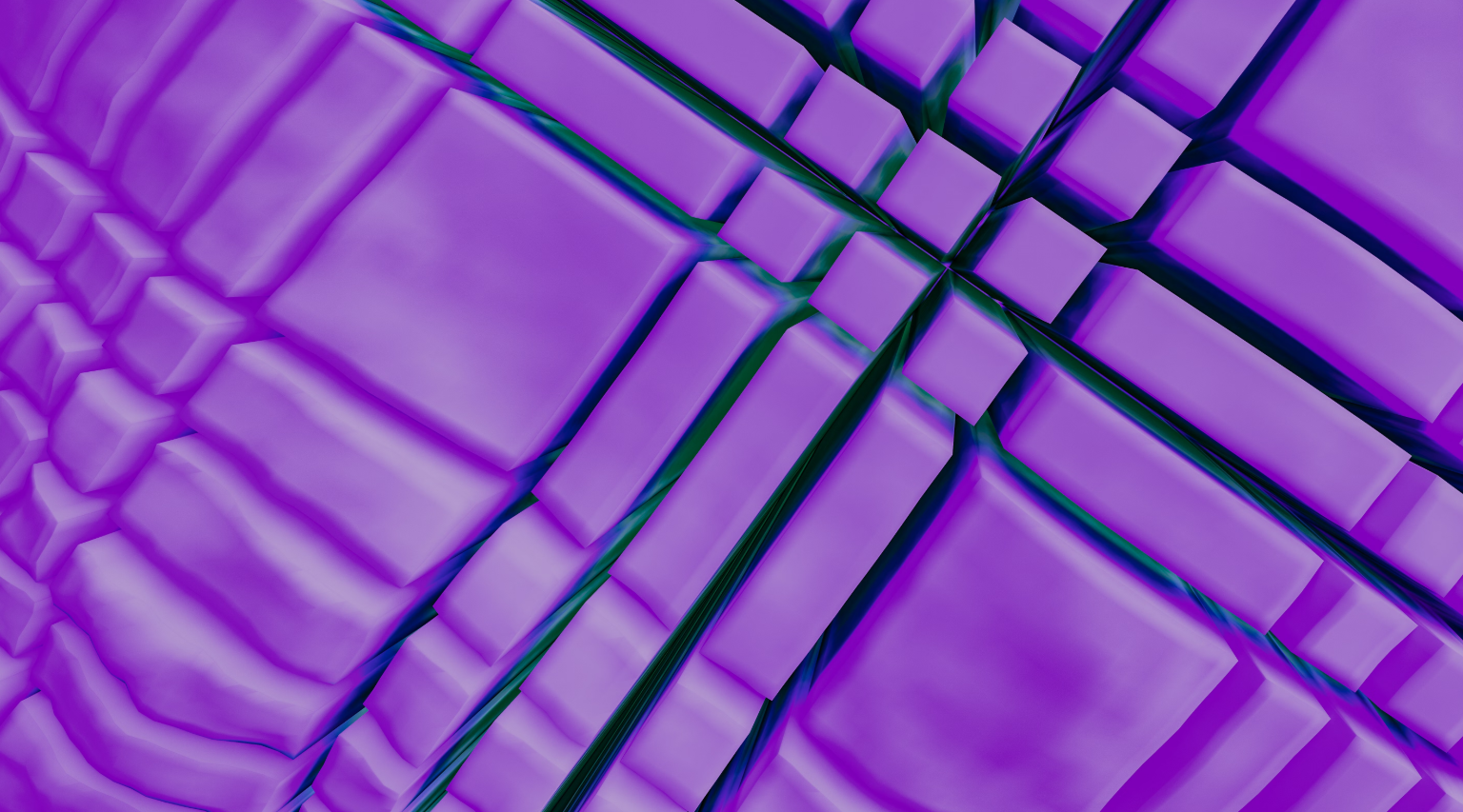 Op art uses repeating geometric shapes and bold colour contrast to create movement, one of several styles within optical illusion artwork.
Optical illusion artwork is not one single style. It spans several distinct visual traditions, each with its own history and technique.
Trompe l’oeil is the oldest tradition, dating back to ancient Roman wall paintings and later perfected during the Renaissance, where painted architecture and objects were made to look real enough to fool the eye at a glance, as the Metropolitan Museum of Art’s Heilbrunn Timeline of Art History explains.
Op art, short for optical art, emerged in the 20th century and uses repeating geometric patterns, often in black and white or high-contrast colour, to create a sense of vibration or movement on a flat surface, according to Tate’s art terms glossary.
Anamorphic art uses extreme distortion that only resolves into a recognisable image from one viewing point, commonly seen in pavement art and large-scale murals.
Impossible geometry draws on shapes like the Penrose triangle, where each individual part looks structurally sound but the whole object could not exist in real three-dimensional space.
Knowing these categories helps buyers describe what they want more precisely. Someone asking for “illusion artwork” might really be picturing an op art pattern for a study, while another buyer imagining a hallway that seems to extend further than it does is actually asking for anamorphic or trompe l’oeil work.
Where Illusion In Pictures Works Best
Entryways and hallways let visitors move past illusion in pictures from multiple angles, which activates the depth effect fully.
Placement decides whether illusion in pictures actually delivers its intended effect. A piece that would look stunning in a long corridor can feel cramped or confusing in a small, cluttered room.
Entryways and hallways benefit the most from illusion artwork because visitors naturally move through them, which means they experience the piece from multiple angles rather than a single fixed viewpoint. This movement is exactly what activates most illusion techniques.
Home offices and study rooms suit smaller-scale optical illusion artwork, particularly geometric or op art pieces, since they add visual interest without overwhelming a space meant for focus.
Living rooms work well with illusion artwork when it is positioned as a single feature piece rather than mixed with several other busy elements, allowing the eye to settle on one focal point.
Bedrooms generally call for calmer, larger-scale illusion pieces with softer colour transitions, since a high-contrast op art pattern can feel too stimulating in a space meant for rest.
Choosing The Right Illusion Artwork Size
Size affects how convincingly an illusion reads on a wall. A design that relies on forced perspective needs enough physical scale for the eye to register the depth cue; a tiny canvas rarely produces a strong 3D effect no matter how well it is painted.
As a general guide, illusion artwork intended for an entryway or stairwell wall performs best above 24 by 36 inches, since the depth effect strengthens with scale. Smaller op art or geometric illusion pieces, typically under 20 by 24 inches, work well as part of a considered gallery wall rather than as a lone statement piece.
Before ordering, measure the wall and stand at the typical viewing distance, whether that is the front door, a hallway midpoint, or a sofa. This tells you how much of the piece will actually be visible at once, which matters more for illusion artwork than for most other painting styles. Browsing original paintings online is a useful way to compare available sizes before deciding.
Common Mistakes Buyers Make
Even enthusiastic buyers run into avoidable problems when purchasing illusion artwork for the first time.
- Buying a piece based on a single photograph without checking how the illusion performs from a real, off-centre viewing angle.
- Choosing illusion pictures 3d for a room with heavy competing patterns, such as a busy rug or patterned wallpaper, which weakens the visual effect.
- Selecting a design that is too small for the wall, so the perspective lines never fully resolve into a convincing shape.
- Ignoring lighting, since strong directional light can flatten the shadow work that creates the 3D illusion in the first place.
- Assuming all optical illusion artwork suits every room, when in fact high-stimulation op art can feel jarring in spaces meant for rest.
For guidance on evaluating originals before buying, see why buy original paintings online.
Caring For Illusion Artwork At Home
Illusion artwork is usually created with the same paints, canvases, or archival print methods used for any other artwork, so care requirements are similar to standard paintings and prints.
Keep the piece away from direct, prolonged sunlight, since UV exposure can fade both traditional pigments and printed inks over time. Indian humidity, particularly during monsoon months, can affect canvas tension and framing, so a well-ventilated wall away from bathrooms or kitchens is ideal.
Dust gently with a soft, dry cloth, and avoid household glass cleaners directly on the surface, since some coatings and varnishes can react with ammonia-based products. For a valuable, fragile, or older piece of illusion artwork, it is worth consulting a professional art conservator rather than attempting home cleaning methods.
Gifting Illusion Artwork For Modern Homes
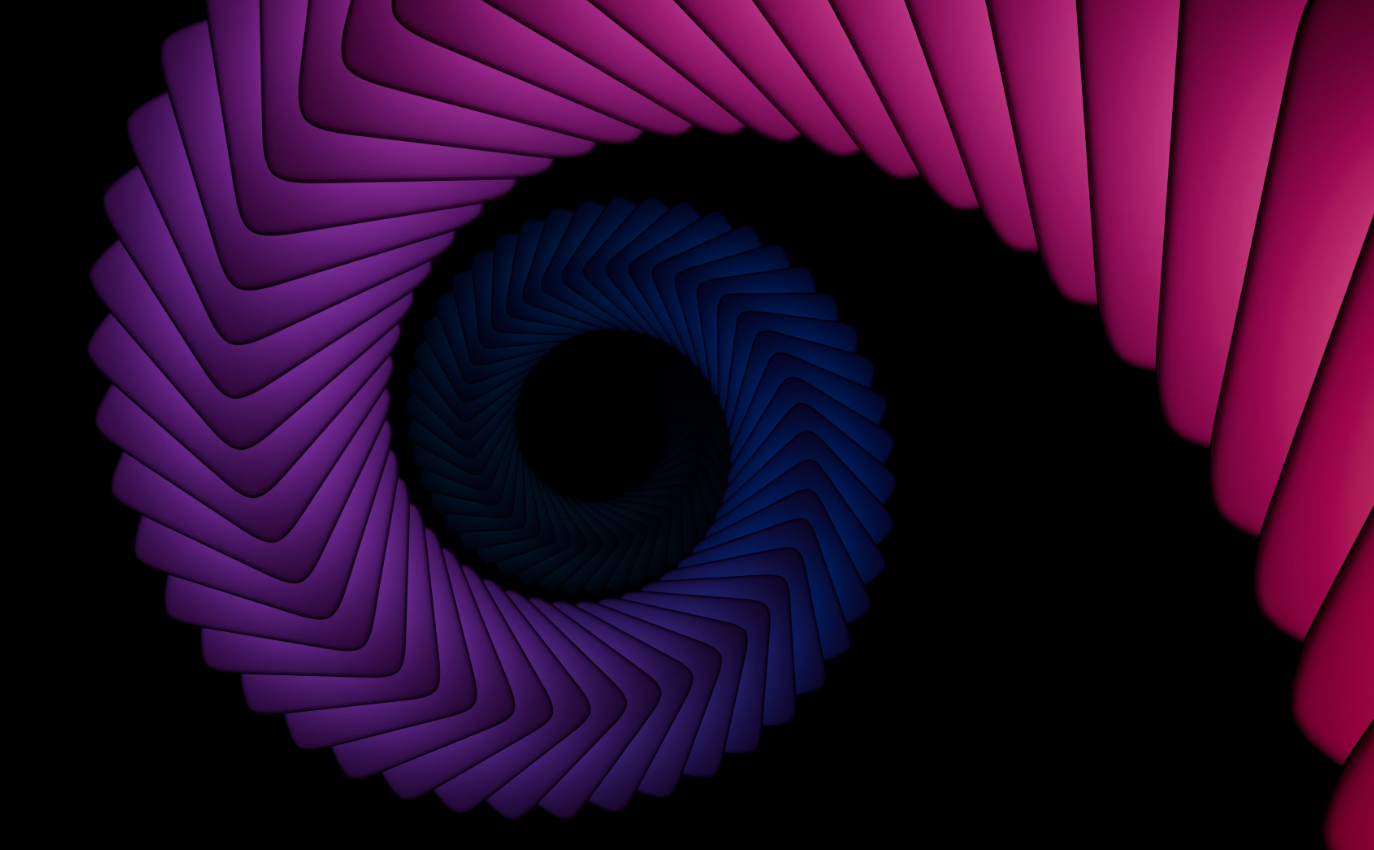 A striking, conversation-starting piece of illusion artwork makes a memorable housewarming or corporate gift.
Illusion artwork has become a popular choice for housewarming and corporate gifting because it signals thoughtfulness beyond a generic decorative item. A well-chosen piece of optical illusion artwork gives the recipient something conversation-worthy for a new home or office reception area, rather than something purely functional.
For corporate art gifts, illusion artwork suits reception walls and meeting rooms particularly well, since visitors naturally pause and look twice, which reflects positively on the brand hosting the space. When gifting in bulk, it helps to confirm sizing consistency across recipients and to plan lead times in advance, since custom framing for illusion pieces can take longer than standard framed prints. The full range of gifting options covers festive, wedding, and housewarming occasions as well.
Frequently Asked Questions
What is illusion artwork?
Illusion artwork is a style of painting or print that uses perspective, shading, and colour contrast to make a flat surface appear to have depth, movement, or a three-dimensional shape.
Is 3d illusion artwork the same as a hologram?
No. 3d illusion artwork is created with paint or print techniques on a flat surface, while a hologram uses light projection technology. The illusion in artwork comes entirely from artistic technique, not electronics.
Do illusion pictures 3D work on any wall?
They work best on walls with enough open space and viewing distance for the perspective effect to register, such as entryways, staircases, and hallways, rather than small, cluttered corners.
Is optical illusion artwork suitable for a bedroom?
Softer, larger-scale illusion pieces with muted colour transitions can suit a bedroom, but high-contrast op art patterns are usually better placed in living areas or hallways.
How do I know if illusion artwork is an original or a print?
Ask the seller directly whether the piece is a hand-painted original or a reproduced print, and request details on the medium, paper or canvas type, and any edition information before buying.
Can illusion in pictures fade over time?
Yes, like most paintings and prints, colour can fade with prolonged direct sunlight exposure, so placement away from harsh light helps preserve the illusion effect longer.
What size illusion artwork works for a hallway?
Pieces above 24 by 36 inches generally read more convincingly in hallways and entryways, since the perspective and depth cues need enough physical scale to resolve clearly.
Is illusion artwork a good corporate gift?
Yes, illusion artwork works well for reception areas and meeting rooms because it draws attention and creates a memorable first impression for visitors and clients.
A Closing Thought On Choosing Illusion Artwork
Illusion artwork rewards buyers who take a little extra time before purchasing, since the right placement, size, and lighting decide whether the effect truly comes alive on a wall. Whether you are drawn to trompe l’oeil realism, bold op art patterns, or a striking anamorphic piece for a hallway, understanding these fundamentals means you can choose illusion artwork that performs beautifully in your specific space rather than just in a product photo.
Explore The Brush Strokes Co.’s original paintings and full artwork collection to find illusion and optical art pieces suited to your home or office, or contact the art team for guidance on size, placement, and framing before you buy.