
The moment a painting moves from flat and smooth to raised, layered, and tactile, it stops being background decoration and becomes something a room revolves around. That shift is exactly what this style does. This style uses raised paint, layered mediums, or mixed materials to build a surface that catches light, casts small shadows, and changes appearance depending on where you stand. Unlike a flat print or a smooth canvas, the technique has a physical presence you can almost feel from across the room, which is why it has become one of the most searched styles among homeowners looking to upgrade a plain wall.
At The Brush Strokes Co., an online art gallery featuring original folk, traditional, and contemporary Indian artworks, we work with texture art often because it solves a problem so many rooms share. A wall with good furniture and good lighting can still feel flat if nothing on it has depth. The right piece fixes that instantly, without demanding a full room renovation.
This guide walks through what texture art actually means, how texture artwork is created, where it works best in a home, and how to choose, place, and care for a piece that will hold up for years. Whether you are decorating a new apartment or refreshing a living room that has felt static for too long, this approach offers a way to add depth without adding clutter.
Understanding What Texture Art Really Means
This term refers to any painting or artwork where the surface itself has physical dimension, not just visual detail. Artists build this dimension using thick applications of paint, layered mediums like plaster or gel, or by embedding materials such as fabric, sand, or metal leaf directly into the composition. The result is a piece that reflects light unevenly across its surface, creating natural highlights and shadows that shift as the viewing angle changes.
This is different from a painting that merely looks textured through clever brushwork on a flat surface. True texture artwork has ridges, peaks, and valleys you can trace with a fingertip, even if gallery etiquette generally discourages touching original pieces. The technique traces back centuries, most famously through impasto, a method where paint is applied so thickly it stands off the canvas in visible strokes. According to Tate, impasto has been used by painters since the Renaissance to add a tactile, almost sculptural quality to two-dimensional work, and the technique remains central to how this approach is made today.
Contemporary Indian artists working in texture art often combine impasto with mixed media elements, layering acrylic gel mediums, palette knife work, and sometimes natural materials like jute or metal foil. This blend of traditional technique and modern experimentation is part of what makes texture artwork feel both timeless and current in a home setting.
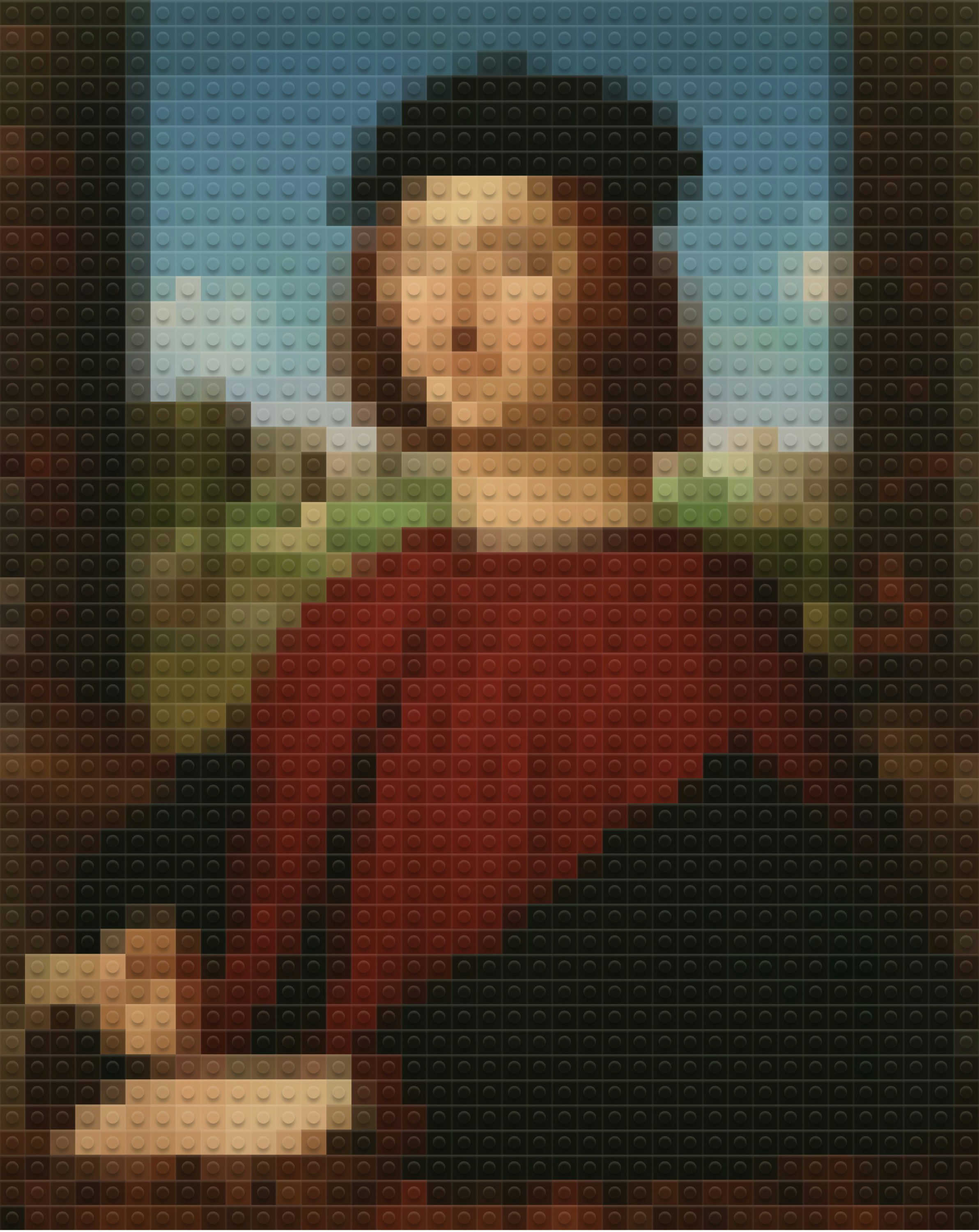
Why Texture Art Feels So Different
A flat painting communicates entirely through color and image. The artwork communicates through color, image, and physical form all at once, which is why it tends to feel more alive on a wall than a smooth canvas of similar size and palette. Natural light hits a textured surface unevenly throughout the day, so a piece that looks warm and golden at noon can look moody and dramatic by evening. This quality alone makes texture artwork a favorite for rooms with large windows or shifting natural light.
There is also a psychological dimension to why texture reads as more premium. Research on tactile perception, summarized by design publications such as Architectural Digest, consistently notes that layered, dimensional surfaces are associated with craftsmanship and intentionality, while flat, uniform surfaces read as mass produced. This is one reason it has become a signal of considered, high quality interior styling rather than a passing trend.
For homeowners who want a room to feel curated rather than simply furnished, texture artwork does a lot of that work on its own. A single well placed piece can anchor an entire color scheme and give a minimal room a sense of warmth that furniture alone rarely achieves.
How Artists Build Texture Into A Canvas
There are several established methods artists use to create this style, and understanding them helps when choosing a piece for your home.
Palette knife painting is one of the most common approaches. Instead of a brush, the artist uses a flat metal blade to apply and shape thick layers of paint directly onto the canvas, building ridges and edges that hold their form once dry. This technique is especially popular in contemporary abstract pieces, where the ridges themselves become part of the composition.
Gel and plaster mediums offer another route. Artists mix acrylic gel or plaster compounds into their paint, or apply it directly to the canvas before painting over it, to build height and structure that pure paint cannot achieve on its own. This method allows for more controlled, sculptural detail, often seen in contemporary Indian texture artwork that references traditional motifs with a modern finish.
Mixed media work goes a step further, incorporating actual materials such as fabric scraps, sand, dried botanicals, or metal leaf into the painted surface. These pieces carry the most dramatic tactile presence and often become genuine conversation pieces in a home, since no two are ever quite alike.
Knowing which method was used on a piece also tells you something about how it will age and how it should be cared for, which we cover further along in this guide.
Where Texture Art Belongs In Your Home
Texture art works in nearly every room, but certain spaces let it shine more than others.
Living rooms benefit enormously from a large textured piece above the sofa or console, since the raised surface catches ambient light from lamps and windows throughout the day, keeping the space visually active even when no one is using it. Bedrooms can use this kind of piece in a quieter, more restrained way, often a smaller piece above a headboard or dresser, where the goal is warmth rather than drama.
Entryways and hallways are underrated spaces for this style. Because these areas are usually walked through rather than lingered in, a textured piece gives visitors something to notice even in passing, setting the tone for the rest of the home. Home offices also do well with texture artwork, particularly abstract or geometric pieces, since the tactile quality adds visual interest to a space that otherwise leans functional and flat.
Dining rooms can take slightly bolder texture art than other rooms because they are usually seen under warmer, more directional lighting during meals, which flatters raised brushwork and deepens shadow detail.
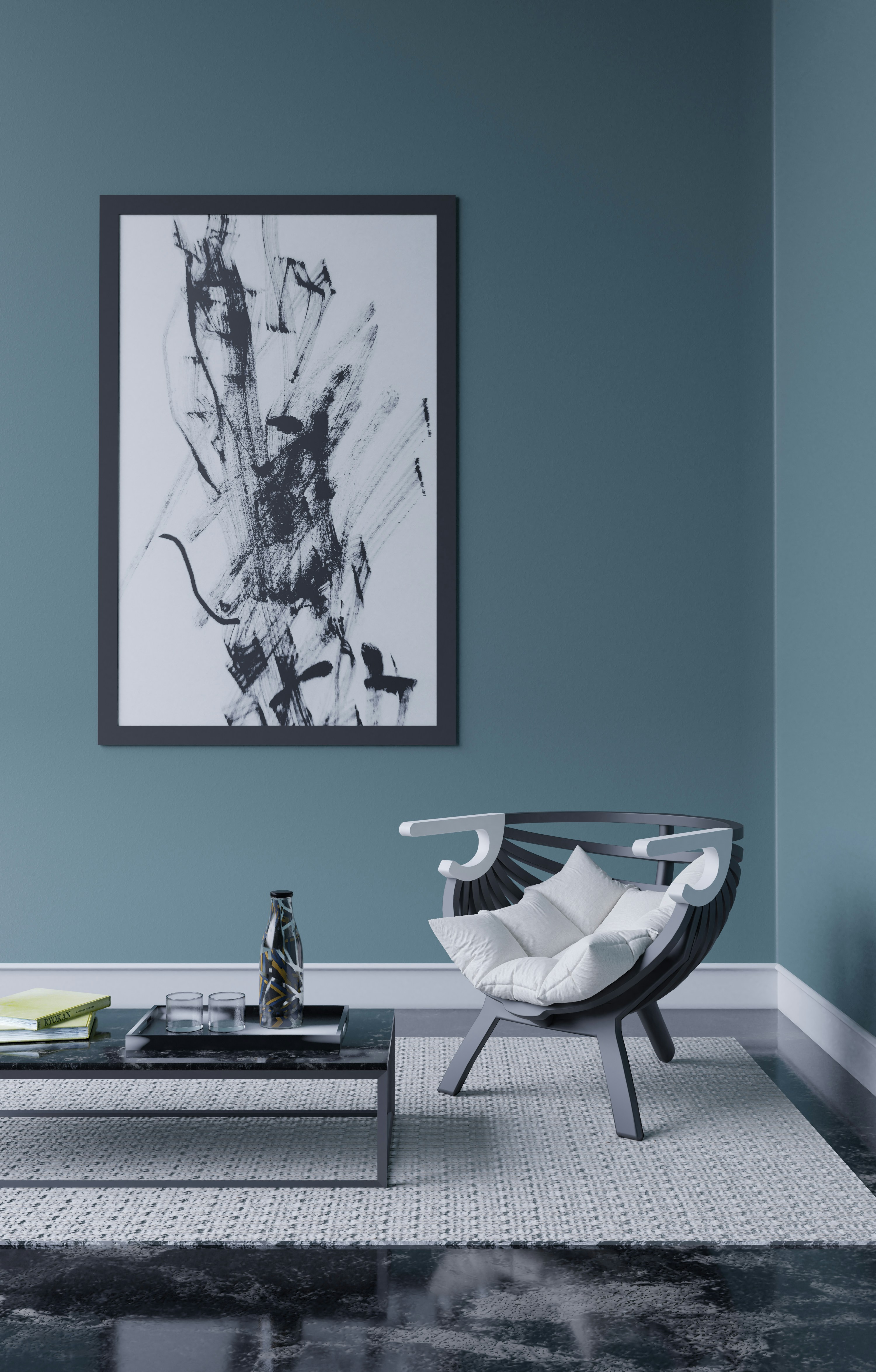
Our art collections page includes a range of textured contemporary pieces sized for exactly these spaces, from large statement canvases to smaller accent works.
Choosing Colors That Suit Texture Artwork
Color still matters enormously when selecting this material, since texture and color work together rather than separately. Warm, earthy palettes, terracotta, ochre, deep browns, tend to make raised surfaces feel even more dimensional, because warm tones absorb and reflect light differently across peaks and valleys. Cooler palettes, blues, greens, and greys, can make the artwork feel more restrained and architectural, suited to minimal or Scandinavian inspired interiors.
Monochrome pieces, built entirely in a single color family with variation coming purely from the raised surface, have grown especially popular in modern Indian homes. This approach lets the texture itself become the star, without competing for attention with a busy color palette elsewhere in the room.
If your room already has a strong color scheme through furniture, rugs, or wall paint, choosing a texture artwork in a complementary neutral tone usually works better than trying to match every shade exactly. The goal is for the piece to feel connected to the room, not identical to it.
Texture Art Versus Flat Canvas Comparison
| Feature | Texture Art | Flat Canvas Art |
|---|---|---|
| Surface | Raised, dimensional, tactile | Smooth and even |
| Light Interaction | Changes appearance through the day | Stays visually consistent |
| Visual Weight | Reads as bold and substantial | Reads as lighter and quieter |
| Best Suited Rooms | Living rooms, entryways, statement walls | Bedrooms, minimal spaces, gallery walls |
| Maintenance | Needs gentle, careful dusting | Easier to wipe and clean |
| Price Range | Generally higher due to material and technique | Generally more accessible |
Neither style is objectively better. A home often benefits from a mix, using texture art as a focal point in one or two rooms while letting flatter, quieter pieces support a gallery wall or smaller vignette elsewhere.
Common Mistakes When Buying Texture Art
A few missteps come up again and again with first-time buyers of this style, and avoiding them makes a real difference.
Choosing a piece too small for the wall is the most frequent mistake. The effect needs room to breathe, since its detail is meant to be appreciated from a short distance as well as across the room. A general rule is letting the artwork cover roughly sixty to seventy percent of the furniture width beneath it.
Ignoring lighting direction is another common issue. A textured piece hung directly opposite a bright window can lose visual impact at certain times of day when light washes across it too evenly, flattening the shadows that give texture its depth. Angled or side lighting, including a well placed picture light, generally brings out texture art far more effectively than direct overhead light.
Buying this style purely for trend value without considering the rest of the room is also worth avoiding. A striking textured piece needs a slightly calmer backdrop, since the artwork itself is already doing visual work. Pairing it with an equally busy wall color or a heavily patterned rug tends to compete rather than complement.
Finally, underestimating shipping and handling needs is a mistake specific to the technique. Because the surface is raised and can be delicate, texture artwork requires more careful packaging and unpacking than flat canvas work, something worth confirming with any seller before purchase.
Caring For Texture Artwork Long Term
Texture art needs slightly different care than a flat canvas, mainly because dust and debris can settle into the raised areas of the surface. A soft, dry brush, the kind used for delicate photography equipment, works well for gentle dusting every few weeks. Avoid wiping texture artwork with a damp cloth, since moisture can seep into paint ridges and affect the surface over time.
Direct sunlight remains the biggest long-term risk for any original painting, these pieces included, since UV exposure can gradually shift pigment. Material care guidance from conservation resources generally recommends keeping original artwork away from direct sun and extreme humidity swings, both of which are common concerns in Indian homes depending on the region and season.
Handling matters too. When moving or rehanging a textured piece, always support it from the frame or stretcher bars rather than pressing on the painted surface itself, since raised areas can be more fragile than they appear.
With reasonable care, a well made texture artwork can last for decades without losing its dimensional quality, making it a genuinely long-term investment in a room’s character rather than a short-lived decorating trend.
Texture Art For Gifting And Special Occasions
This approach also makes a distinctive, memorable gift, particularly for housewarmings, weddings, and corporate milestones. Because each piece carries visible, individual brushwork, a gifted texture artwork feels more personal than a mass produced item, even when purchased rather than custom made. Our gifting collection features a range of textured pieces sized well for this purpose, alongside our dedicated corporate art gifts collection for office openings, client appreciation, and milestone celebrations.
For couples decorating a new home together, a large texture art piece chosen jointly can also become a meaningful shared decision, one that ends up anchoring the living room for years rather than sitting unnoticed like many standard housewarming gifts.
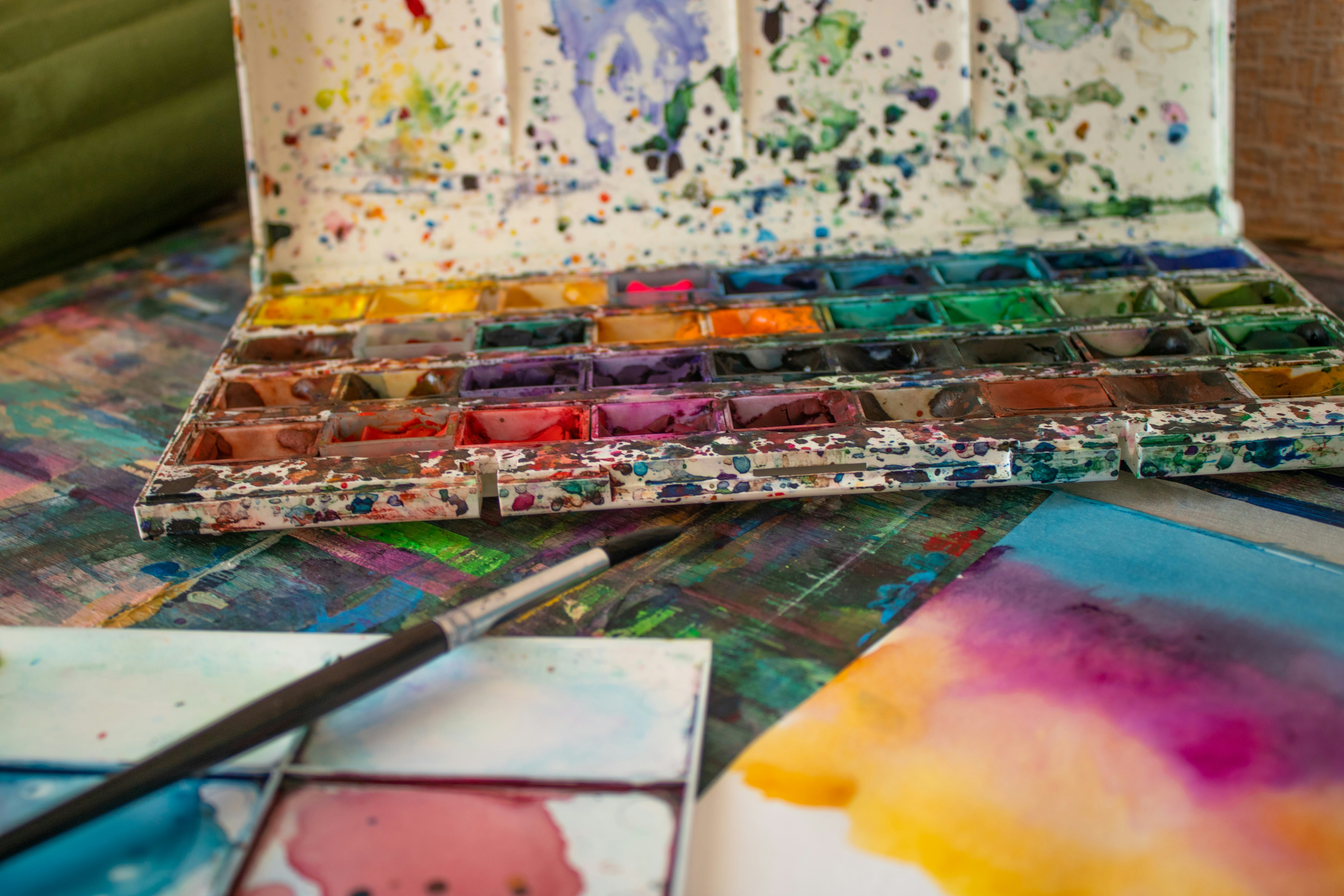
Styling Texture Art With Existing Décor
The artwork rarely needs to be the only interesting element in a room, but it does need enough visual space to register properly. Pairing a large textured piece with simpler furniture lines, think clean sofas, unfussy coffee tables, tends to let the artwork’s surface detail stand out rather than get lost among competing patterns.
Lighting design should treat it as a genuine feature, not an afterthought. A single adjustable spotlight or picture light angled slightly from the side will reveal far more surface detail than flat, even overhead lighting. This single styling choice often makes the biggest visible difference in how a textured piece reads within a room.
For homes leaning into a more layered, maximalist aesthetic, texture art pairs well with natural materials nearby, wood, linen, rattan, since these materials share a similar tactile, handmade quality. According to House Beautiful, rooms that repeat a tactile theme across multiple elements, not just the artwork, tend to feel more cohesive and considered overall.
If you already own flatter, more traditional paintings, this look does not need to clash with them. Using texture artwork as a single statement piece in one room, while keeping flatter work in others, is often the simplest way to introduce this style without overhauling an entire home’s aesthetic in one go.
Texture Art In Contemporary Indian Practice
India has a long relationship with tactile, layered surfaces in traditional craft, from relief carving to embroidered textiles, and contemporary texture art often draws on that same sensibility even when the imagery itself is entirely modern or abstract. Many Indian artists working in this style today blend palette knife technique with references to traditional color palettes, saffron, indigo, terracotta, giving the work a distinctly rooted feel despite its contemporary execution.
This blend of heritage sensibility and modern technique is part of why texture art has found such a strong audience among Indian homeowners specifically. It offers a way to bring craftsmanship and depth into a home without leaning on overtly traditional or religious imagery, making it flexible enough for almost any interior style, from a fully modern apartment to a home that blends contemporary and traditional elements throughout.
Our original paintings collection includes this kind of piece from a range of contemporary Indian artists, each bringing their own approach to palette, material, and technique. Browsing the Indian Artists directory is also a good way to discover individual painters whose texture work has a distinct, recognizable style.
Sustainability And The Slow Art Approach
The medium, particularly when made using natural or reclaimed materials, fits well within a broader sustainability conversation that has become increasingly relevant to home décor. Choosing an original, hand-made texture artwork over a mass produced print supports slower, lower-waste production methods, since each piece is made individually rather than manufactured in bulk.
Many artists working in texture art also favor sourcing local, sustainably produced pigments and mediums, an approach echoed by broader industry guidance on responsible art materials from organizations tracking sustainability in creative industries. For homeowners who care about where their décor comes from, choosing the surface from a gallery that works directly with individual artists offers more transparency than buying from a large, anonymous retailer.
Bringing Texture Art Into Your Own Home
This material offers something flat décor simply cannot, a surface that changes with the light, rewards a closer look, and carries the visible presence of an artist’s hand. Whether your home leans modern and minimal or warmly traditional, there is a version of this kind of piece suited to it, from bold palette knife abstracts to quieter, more restrained mixed media work.
If a wall in your home has been waiting for something with real depth, explore The Brush Strokes Co’s collection of original texture art, browse original paintings sized for any room, or get in touch directly to talk through a custom piece for your space. The right texture artwork will not just fill a wall. It will change how the entire room feels.
Frequently Asked Questions About Texture Art
What is texture art exactly?
Texture art is a style of painting where the surface itself has physical dimension, built through thick paint application, layered mediums, or mixed materials, rather than relying only on flat color and image.
How is texture artwork different from a regular painting?
A regular painting is flat and relies entirely on color and image for visual interest, while texture artwork has a raised, tactile surface that catches light and creates real shadow, giving it a more three dimensional presence.
Which rooms suit texture art best?
Living rooms, entryways, and dining rooms tend to suit bold texture art well, since they benefit from a strong focal point, while bedrooms and offices often work better with smaller, quieter textured pieces.
Does texture art need special lighting?
Angled or side lighting brings out its surface detail far more effectively than flat overhead light, since shadows form more naturally across the raised areas when light comes from one direction.
How do you clean texture artwork?
Use a soft, dry brush to gently remove dust from the raised surface, and avoid damp cloths, which can affect paint ridges and layered mediums over time.
Is texture art more expensive than flat canvas art?
Texture art is often priced higher than flat canvas work because of the additional material and technique involved, though pricing varies widely depending on size, artist, and materials used.
Can texture art be used as a gift?
Yes, this style makes a distinctive gift for housewarmings, weddings, and corporate occasions, since each piece carries individual, visible brushwork that feels more personal than a mass produced item.
Does texture art fade or change over time?
With proper care, including protection from direct sunlight and gentle dusting, the technique can retain its color and dimensional quality for decades, much like any well cared for original painting.