
A serigraph is a fine-art print created through the screen-printing process, where colours are applied one layer at a time through specially prepared mesh screens. Unlike an ordinary digital reproduction, the image is built gradually through multiple colour passes, creating bold colours, sharp forms and a distinctive layered appearance.
In the fine-art world, serigraphs are often produced as limited editions and may be signed and numbered by the artist. This makes them especially appealing to collectors who want to own work associated with established artists without necessarily purchasing a one-of-a-kind original painting.
Indian artists such as M. F. Husain and S. H. Raza are particularly well known among collectors of limited-edition serigraph art.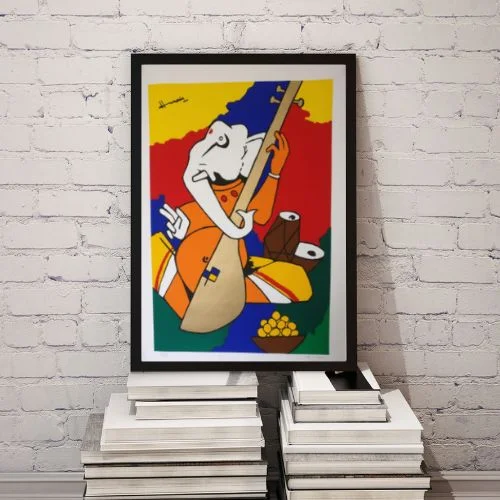
What Does Serigraph Mean?
The word serigraph is commonly used in fine art for works created using the screen-printing technique.
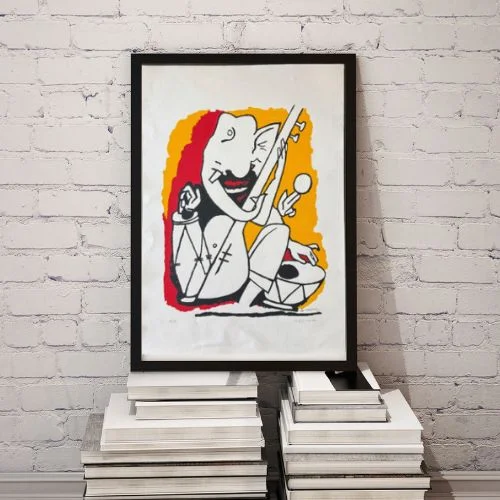
A mesh screen is prepared for each colour in the composition. Ink is then pushed through the open areas of the screen onto paper or canvas. Once one colour has dried, another screen is carefully aligned and the next colour is applied.
This continues until the complete artwork appears.
Because different colours can require different screens, a complex serigraph may involve numerous carefully aligned printing stages.
How Is a Serigraph Made?
Creating a serigraph involves much more than simply reproducing an existing image.
First, the artwork is separated into different colour areas. A separate screen is prepared for the colours required in the composition.
The screen contains areas that allow ink to pass through and areas that prevent it from reaching the surface. Ink is placed over the screen and pushed through using a squeegee.
After one colour is printed, the artwork is allowed to dry. The next screen is then positioned precisely over the previous layer.
This process continues until all the colours have been applied.
Careful registration is extremely important. Even a small misalignment between layers can noticeably change the final composition.
Fine-art editions may then be inspected, numbered and signed depending on how the artist and studio have produced the edition.
Serigraph vs Screen Print
A common question is whether a serigraph and screen print are the same thing.
They use the same fundamental printing technique.
The term screen print can refer to many applications, including commercial printing on posters, textiles, packaging and other materials.
Serigraph, on the other hand, is commonly used when discussing screen printing as a fine-art medium.
That is why collectors may see an artwork described as a limited-edition serigraph rather than simply a screen print.
However, being called a serigraph does not automatically mean every example is signed, numbered or valuable. Buyers should always check the artwork’s medium, artist, edition information and documentation.
Serigraph vs Original Painting
A serigraph and an original painting are two very different forms of art.
An original painting is normally a one-of-a-kind work created directly by the artist using paint on canvas, paper or another surface.
A serigraph belongs to an edition. Several impressions of the same composition can therefore exist.
This difference does not make a serigraph simply a poster or inexpensive reproduction. Fine-art serigraphs can involve extensive craftsmanship and may be produced in collaboration with specialist printing studios.
For collectors, they can provide a more accessible way to own artwork connected with a recognised artist.
Serigraph vs Lithograph vs Giclée
Understanding the difference between common printmaking methods can make buying art much easier.
| Type | How It Is Created | Main Characteristic |
|---|---|---|
| Serigraph | Ink passes through separate mesh screens | Strong layered colours |
| Lithograph | Image is transferred from a prepared stone or plate | Smooth tonal variation |
| Giclée | High-quality digital inkjet printing | Detailed digital reproduction |
| Original Painting | Painted directly by the artist | One-of-a-kind artwork |
A serigraph is particularly known for its strong blocks of colour and layered printing process.
A giclée, by comparison, is produced digitally and can reproduce very fine colour variations. Lithography uses a completely different printmaking process based traditionally on the interaction between grease and water.
Each medium has its own artistic purpose, so one should not automatically be considered better than another.
Why Are Limited Edition Serigraphs Collectible?
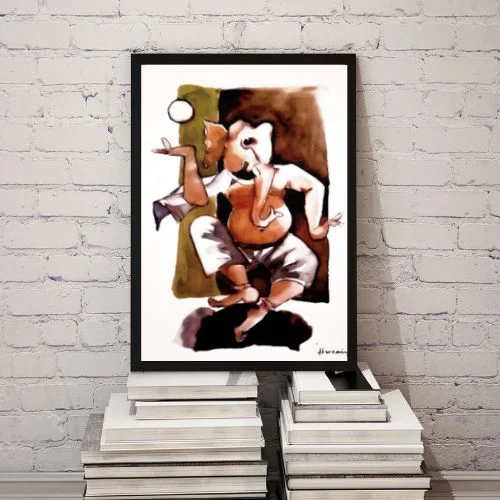
Many fine-art serigraphs are produced in limited editions.
For example, an artwork marked:
35/100
generally means that particular impression is numbered 35 within an edition of 100.
A smaller edition means fewer impressions of that particular artwork are available. However, edition size alone does not determine artistic or market value.
Collectors normally also consider the artist, authenticity, condition, provenance, subject, demand and significance of the particular artwork.
A recognised artist combined with proper documentation and a clearly identified edition can make a serigraph considerably more interesting to serious collectors than an ordinary decorative print.
Serigraph Art by M. F. Husain
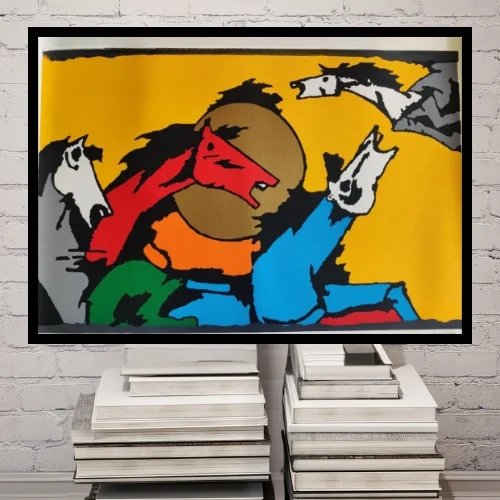
M. F. Husain remains one of the most recognised names in modern Indian art.
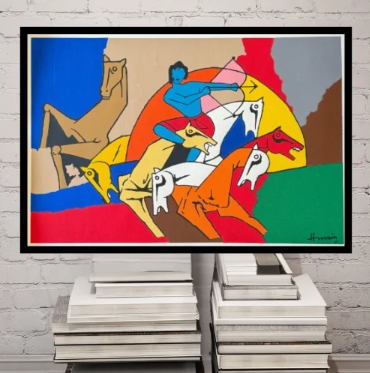
His visual language is known for energetic lines, expressive figures, horses and interpretations of cultural and mythological subjects.
Several of Husain’s compositions have also appeared as limited-edition serigraphs.
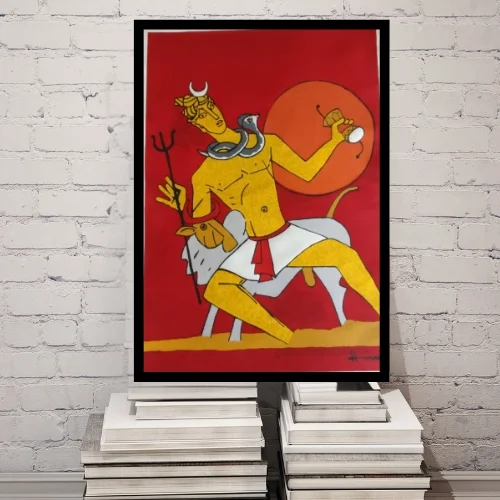
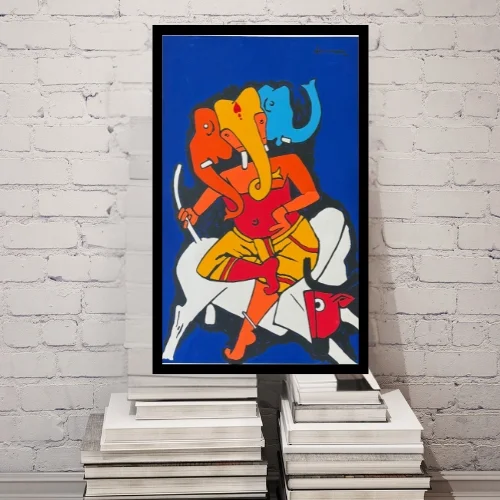
Subjects available through The Brushstrokes Company include horses, Ganesha, Krishna, Shiva and Mother Teresa, giving collectors an opportunity to explore different themes from the artist’s body of work.
Popular Subjects in Indian Serigraph Art
Indian serigraphs cover far more than abstract art.
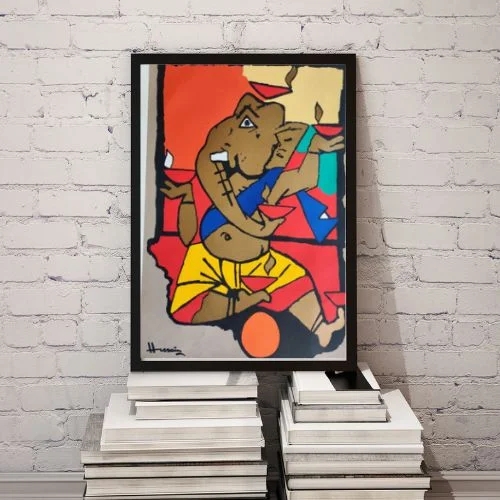
Religious and cultural subjects such as Ganesha, Krishna and Shiva appear alongside horses, figurative compositions and interpretations of well-known personalities.
For example, the strong forms associated with M. F. Husain translate particularly effectively into screen printing because serigraphy can reproduce rich blocks of colour and confident shapes.
This diversity allows collectors to choose a serigraph according to both the artist and the subject that personally appeals to them.
How to Identify an Authentic Serigraph
When purchasing a collectible serigraph, examine more than the image itself.
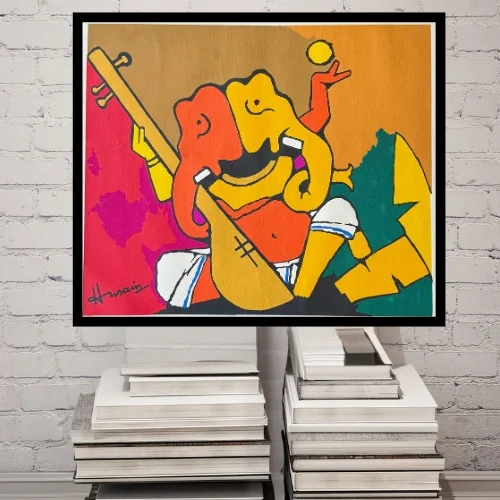
The product description should clearly identify the artist and medium and explain whether the artwork belongs to a limited edition.
Signed editions commonly include the artist’s signature and an edition number.
Documentation is also important. A certificate of authenticity or reliable provenance can help establish exactly what you are buying.
Buyers should therefore look for clear information covering the artist, medium, dimensions, edition and authenticity instead of purchasing solely because a product is described as a “limited-edition print.”
At The Brushstrokes Company, for example, several M. F. Husain works are explicitly identified as limited-edition serigraphs that are signed and numbered and accompanied by certificates of authenticity.
What Does the Edition Number Mean?
An edition notation such as 25/100 normally indicates that the artwork is impression number 25 from an edition of 100.
It is easy to assume that number 1/100 must automatically be more valuable than number 80/100, but the number’s position within the edition is generally less important than factors such as authenticity, artist, condition and total edition size.
Collectors should therefore focus on the complete artwork and its documentation rather than buying simply because an edition carries a low number.
How Much Does a Serigraph Cost?
There is no single fixed price for a serigraph.
The price can vary substantially depending on the:
artist, edition size, artwork, condition, provenance, dimensions, demand and availability.
Serigraphs by highly recognised artists can naturally command higher prices than works by emerging artists.
This is another reason buyers should avoid treating every serigraph as the same type of product. A limited-edition work by an established artist and an inexpensive decorative screen print may use related printing methods while belonging to completely different areas of the art market.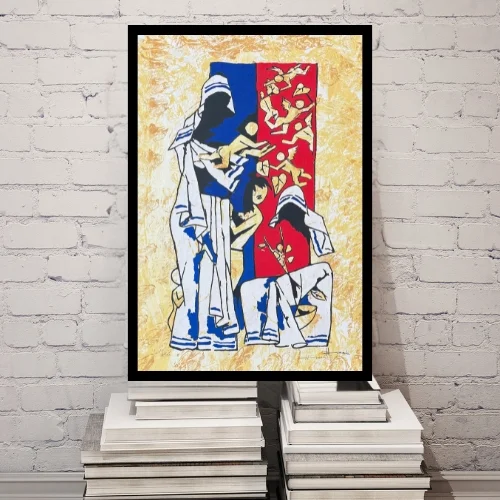
How to Care for a Serigraph
Proper display and storage can help preserve a serigraph for many years.
Avoid prolonged exposure to strong direct sunlight because it can gradually affect both colour and the printing surface.
Works on paper should ideally be framed using suitable conservation materials, while valuable pieces should be kept away from excessive moisture, heat and rapidly changing environmental conditions.
When handling an unframed artwork, avoid touching the printed area directly and support the work carefully.
Professional framing is particularly worthwhile for signed or collectible limited-edition pieces.
Why Collectors Choose Serigraph Art
Serigraphs occupy an interesting position between original paintings and ordinary reproductions.
They allow artists to produce editions while preserving characteristics that come directly from a physical printmaking process.
For buyers, this can mean access to recognised artistic imagery at a different price point from an original painting.
The combination of layered colour, limited-edition production, artist association and printmaking craftsmanship explains why serigraphs continue to attract both new art buyers and experienced collectors.
Explore Serigraph Art at The Brushstrokes Company
If you are exploring Indian art, a serigraph can be an excellent way to understand the work of established artists while also discovering the tradition of fine-art printmaking.
The Brushstrokes Company offers a curated collection of serigraph artworks, including limited-edition works associated with recognised Indian artists such as M. F. Husain and S. H. Raza.
When choosing a piece, consider the artwork you genuinely connect with first, then review its artist, medium, edition information, authenticity and condition.
A thoughtfully selected serigraph can bring both artistic character and the story of an important artist into your collection.
Frequently Asked Questions About Serigraphs
What is a serigraph?
A serigraph is a print created using the screen-printing technique in which ink is transferred through a mesh screen. In fine art, the term is commonly associated with artist-created screen prints and limited editions.
Is a serigraph the same as a screen print?
They use the same basic technique. “Serigraph” is commonly used in a fine-art context, while “screen print” can describe both artistic and commercial printing.
Is a serigraph an original painting?
No. An original painting is normally a unique work created directly by the artist. A serigraph is a print and may belong to an edition containing multiple impressions.
Are serigraphs signed by artists?
Many collectible fine-art serigraphs are signed, but a signature is not part of the basic definition of the printing technique. Always check the individual artwork’s details.
What does a numbered serigraph mean?
A notation such as 40/100 usually means the artwork is number 40 from an edition containing 100 impressions.
Are serigraphs valuable?
Some can be valuable, particularly works by established artists with strong provenance and limited availability. Value depends on several factors including artist, edition, condition, authenticity and demand.
What is the difference between a serigraph and giclée?
A serigraph is created through screen printing using physical screens and layers of ink. A giclée is produced using high-quality digital inkjet printing.
How can I check whether a serigraph is authentic?
Review the artist’s signature, edition number, medium, provenance and certificate of authenticity where applicable. Purchasing from a seller that clearly documents these details is important.
Can serigraphs be framed?
Yes. Proper framing can both display and protect the artwork. Works on paper benefit particularly from appropriate conservation framing and protection from strong sunlight.
Where can I buy serigraph art online?
Specialist art galleries and established online art platforms are preferable because they can provide clearer information about the artist, medium, edition and authenticity. The Brushstrokes Company offers a dedicated collection of limited-edition serigraph art by Indian artists.