
A blank wall is an easy problem to fix and a genuinely hard one to fix well. You want something with real presence, but you also do not want to overspend on the wrong choice. Two options usually come up first, art prints and original paintings, and most buyers cannot quite say what actually separates them beyond the price tag.
That gap is worth closing before you spend a single rupee. This guide breaks down what art prints actually are, how they differ from original paintings in materials, cost, durability and long term value, and which one genuinely fits your room, your budget and the reason you are buying in the first place. By the end, you will know exactly which piece belongs on your wall, not just which one costs less.
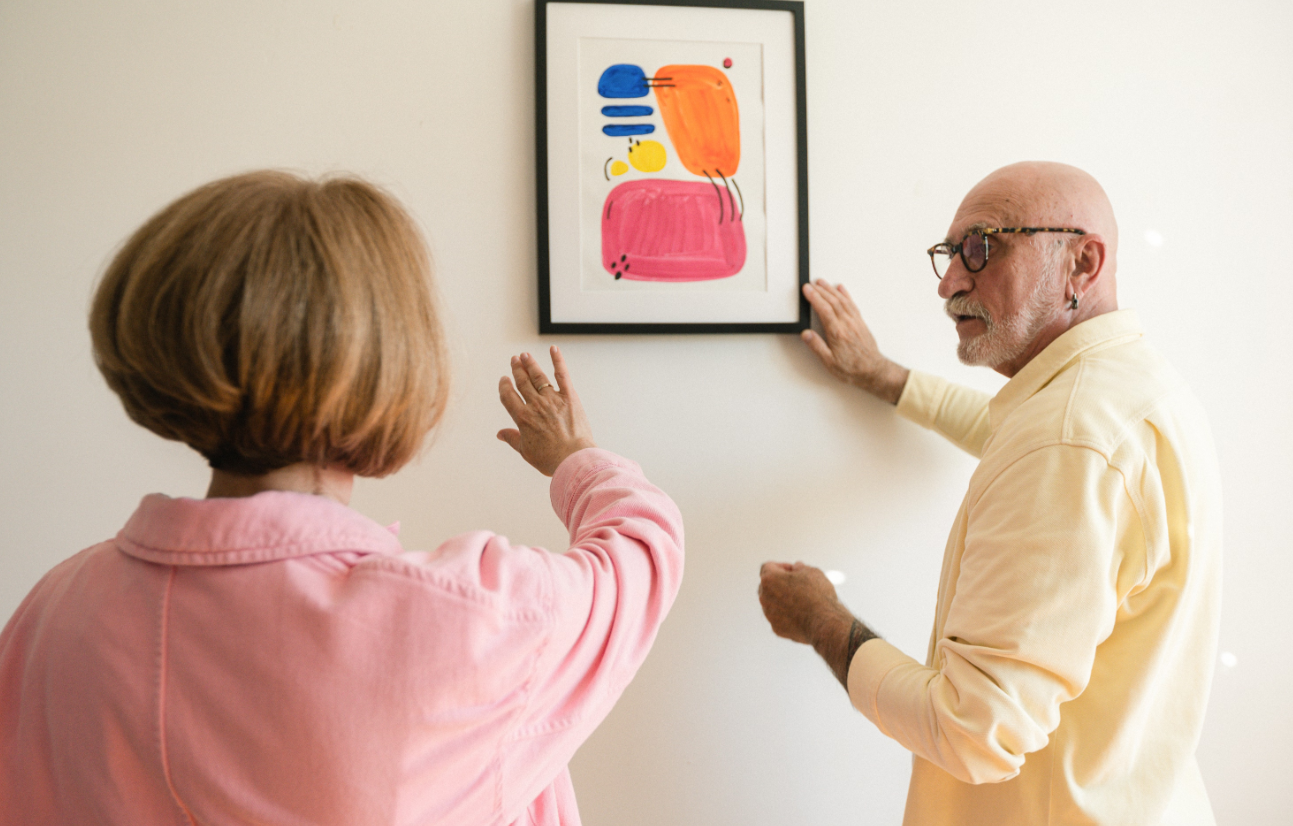
Choosing between an art print and an original painting starts with the wall it is going on. Photo by Shvets Production, Pexels.
What Counts As Art Prints
An art print is any reproduced or hand pulled image made in multiples rather than painted once by hand. That covers a wide range, from a giclee canvas print run off a calibrated inkjet press to a hand pulled serigraph signed and numbered by the artist personally.
The category sits between two extremes. On one end sit mass produced posters, printed by the thousand with no artist involvement beyond the original photograph or scan. On the other end sit hand pulled editions like serigraphs, where the artist approves, and sometimes personally prints, every single sheet in a capped run.
A giclee print falls somewhere in between those two extremes. The term traces back to French printmaker Jack Duganne, who coined it in 1991 while working at Nash Editions in California, borrowing gicler, the French verb for to squirt or spray, to describe fine art output from a modified inkjet press. A genuine giclee print uses pigment based ink pushed through eight to twelve separate channels rather than the four color dye ink found in an ordinary home printer, which is exactly why the color holds up so much better over time.
Understanding The Gallery Wrap Canvas
Canvas prints usually arrive as a gallery wrap, where the printed image stretches over a wooden frame called a stretcher bar, with the edges of the image wrapping around the sides rather than stopping at a flat border. That construction lets a canvas print hang without any additional framing, which keeps the total cost down considerably.
Most canvas material used for this kind of print is a cotton and polyester blend, chosen because it holds ink evenly and resists sagging better than pure cotton across several years on a wall. A tightly stretched canvas with no visible ripples near the edges is usually the first sign that a print was made by a shop that actually knows what it is doing.
What Makes Original Paintings Unique
An original painting is a single physical object painted entirely by hand, with every brushstroke, texture and color decision made directly on that one canvas or paper. No two originals are ever truly identical, even when the same artist paints the same subject twice.
That uniqueness is the entire value proposition. A collector buying an original painting is not just buying an image, they are buying the specific physical record of an artist’s hand moving across a surface on a specific day. Layered brushwork, visible texture, and small imperfections that a print can only imitate are part of what makes an original worth its price.
The Brushstrokes Co works directly with painters producing Madhubani, Pichwai, Tanjore, Gond and modern abstract originals, and every canvas that leaves the studio is genuinely one of one, never a print run dressed up to look otherwise.
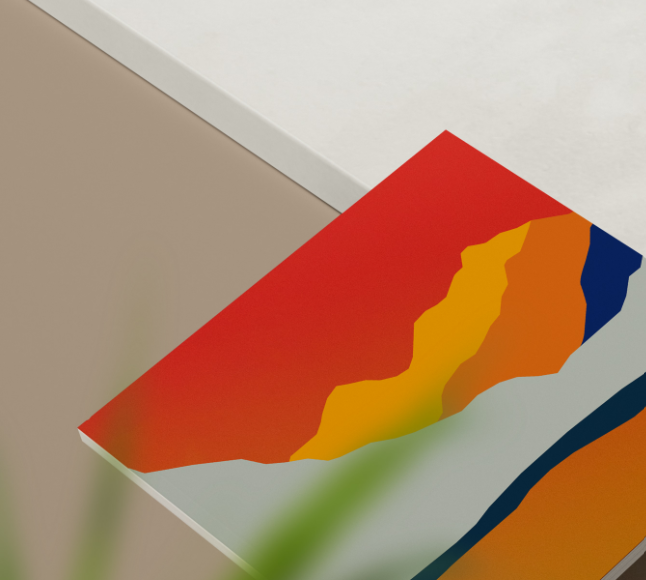
Real brushwork built up in layers is something no art print can fully replicate. Photo by Allecgomes, Pexels.
Original Paintings Versus Art Prints Compared
Original paintings and art prints solve different problems, and a comparison table makes the trade offs easier to see than a paragraph ever could.
| Feature | Art Prints | Original Paintings |
| Uniqueness | Reproduced in multiples, often 50 to several hundred copies | One of one, never repeated |
| Surface texture | Flat or lightly textured depending on the print type | Full brushwork with visible layering |
| Typical price in India | A few thousand rupees for canvas or giclee prints, more for signed serigraphs | Tens of thousands to several lakhs depending on the artist |
| Lifespan | 2 to over 100 years depending on ink type and coating | Decades to centuries with proper care |
| Best for | Budget decor, bulk gifting, rental homes | Statement pieces, milestone gifts, long term collecting |
Neither column is the correct answer for every wall. A rental apartment or a first home on a tight budget is usually better served by an art print, while a forever home’s main living room genuinely benefits from an original.
Canvas Prints Versus Giclee Prints
Canvas prints and giclee prints get used almost interchangeably in casual conversation, and for good reason, most canvas prints sold online today are produced using giclee technology. The real distinction is the surface, not the process. A giclee print can go onto canvas, cotton rag paper, or even metal, while a canvas print specifically refers to the material the image lands on.
Buyers comparing listings should check the actual ink type used rather than the surface alone, since a canvas print made with cheap dye ink will fade years before a paper based giclee print made with proper pigment ink.
For a closer look at choosing and sizing canvas art room by room, our dedicated guide to canvas art and canvas prints covers that ground in more depth than this comparison can.
How Much Do Art Prints Cost
Art prints in India typically run from a few thousand rupees for a mid sized giclee canvas print to well over a lakh for a hand pulled, signed serigraph by a major artist, with size, ink quality and artist reputation driving most of that spread.
Entry level digital canvas prints of stock or lesser known artwork sit at the lowest end, often available for two to five thousand rupees at a moderate size. Prints licensed from a known, living artist cost more, since a share of that price supports the artist directly rather than a generic printing shop with no connection to the image at all.
Hand pulled editions occupy the premium end of the art print category. A serigraph by a recognized Indian master, printed across a capped run of roughly 100 to 125 signed sheets, commonly starts in the tens of thousands of rupees and can run into several lakhs depending on the name and the image. Our full breakdown of How Are Serigraphs Made? covers pricing by artist and edition size in far more depth.
What Do Original Paintings Really Cost
Original paintings in India commonly start around fifteen to twenty five thousand rupees for a smaller, regional folk art piece by a working contemporary artist, and climb into the tens of lakhs or higher for a documented work by a major modern master.
Four factors drive most of that range. Artist reputation matters most, since a known name with an exhibition history commands a premium a talented but undiscovered artist simply cannot yet ask for. Size follows closely behind, because a larger canvas takes more time, more material and more studio space to produce. Medium plays a role too, and oil or acrylic works generally cost more than works on paper, given the material cost and drying time involved. Provenance and documentation round out the list, since a painting with a clear ownership history and a certificate of authenticity holds value far better than one without either.
Buyers gifting or collecting Indian folk art specifically will find original Madhubani, Pichwai and Gond paintings sit at a genuinely accessible price point compared to a documented modern master, while still delivering the full uniqueness and craft that defines an original painting.
How Long Do Art Prints Last
A quality art print made with archival pigment ink and displayed away from direct sunlight can last 75 to 100 years or more without visible fading, while a budget print made with dye based ink can start fading within two to ten years.
The difference comes down entirely to ink chemistry. Pigment ink is made of solid color particles that bond to the printing surface, which makes it far more resistant to ultraviolet light. Dye ink is a liquid colorant that stays chemically active long after printing, which means light keeps breaking it down slowly for as long as the print hangs on a wall.
Testing referenced by the Library of Congress’s preservation training program, drawing on decades of print permanence research by Wilhelm Imaging Research, has rated modern pigment ink systems on archival paper or canvas at over 100 years of display life when framed under glass, with some black and white prints rated well beyond 200 years. That is the standard worth asking about before buying any art print marketed as premium or archival.
Spotting A Low Quality Print
A low quality print usually shows itself through a handful of physical signs, a slightly blurred or dotted pattern under close inspection, an off white or yellowing border straight out of the box, and color that looks noticeably flatter than the original artwork it was copied from.
That dotted pattern, known as a moire effect, shows up when a printer uses a coarse halftone process rather than genuine continuous tone or fine giclee output. Run a finger lightly across the surface too, a cheap dye sublimation print feels almost slippery and thin, while a proper pigment print on canvas or cotton rag paper has a slight tooth to it under your fingertip.
Always ask a seller directly what ink and surface material they use before buying an art print online, since the terms canvas print, giclee print and fine art print get used loosely across the market, and a seller unwilling to answer specifically is usually not using premium materials in the first place.
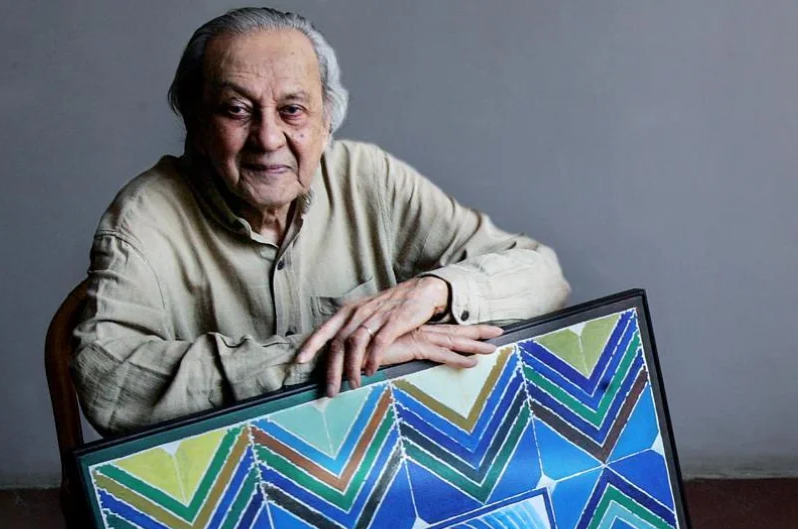
A genuine hand pulled art print carries visible texture and depth a flat digital reproduction cannot match. Image via thebrushstrokesco.com.
Caring For Canvas Prints At Home
Canvas prints last longest away from direct sunlight, in rooms with stable humidity, and cleaned only with a soft, dry microfiber cloth rather than any liquid cleaner.
Direct sun exposure remains the single biggest threat to any printed artwork, since ultraviolet rays break down ink pigment gradually even when the ink itself is rated archival. A hallway, a north facing wall, or a room lit mostly by artificial light protects a canvas print far better than one hanging opposite a large west facing window.
Humidity swings cause a different kind of damage, loosening the canvas on its stretcher bars over time and occasionally causing a slight sag near the center. A room with reasonable ventilation or air conditioning keeps a canvas print taut and flat for years longer than a damp, poorly ventilated space, particularly along India’s coastal cities.
How Serigraph Prints Compare Today
A serigraph sits at the top of the art print category because it is hand pulled through a separate mesh screen for every color, signed and numbered by the artist, and produced in a capped edition that cannot quietly be reprinted later.
That process gives a serigraph genuine texture no flat digital print can match, since each color layer sits physically on top of the last rather than being laid down in a single even pass. Editions typically run between 100 and 125 signed sheets, a range that keeps every copy scarce enough to hold real collector interest years after the original run sells out.
The Brushstrokes Co sources hand pulled, signed and numbered serigraph prints from established studios rather than mass produced canvas reproductions. Buyers wanting to compare an artist’s original against their print edition side by side can browse S H Raza’s original paintings and prints or M F Husain’s paintings directly and judge the difference in texture for themselves.
Which Option Suits Your Home
A living room’s main wall or an entryway generally deserves an original painting, since that spot gets the most daily attention and benefits most from real texture and a genuinely unique image. Secondary rooms, rental homes and bulk decorating projects are usually better served by art prints.
A home office or guest bedroom rarely justifies an original’s price tag, and a well chosen canvas print or serigraph fills that wall just as effectively at a fraction of the cost. Corporate reception areas and boardrooms sit somewhere in between. A single original as the anchor piece near the entrance, paired with prints from a collection like The Brushstrokes Co’s corporate art gifting selection placed through meeting rooms and hallways, balances presence against budget across a larger office footprint.
Rental apartments favor prints for a practical reason beyond cost too. A canvas print is lighter, easier to move, and less risky to transport between homes than an original painting that has taken months to finish and cannot easily be replaced if damaged in transit.
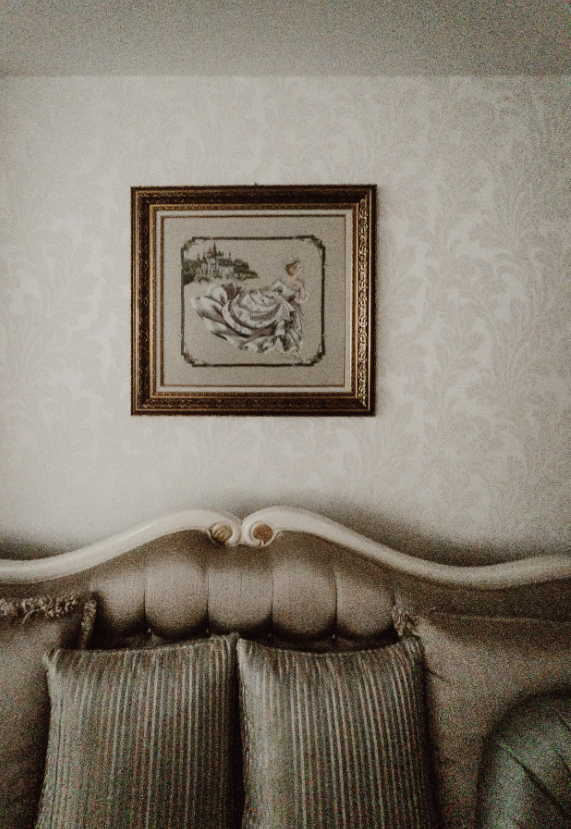
A living room’s main wall usually rewards the extra investment an original painting asks for. Photo by Tkirkgoz, Pexels.
Sizing And Framing Art Prints
A piece of wall art, print or original, should cover roughly sixty to seventy five percent of the furniture width sitting beneath it, and hang with its center between 145 and 155 centimeters from the floor.
A three meter sofa needs a wide horizontal piece or a tight grouping of two or three smaller prints, not one modest canvas floating alone on an oversized wall. Undersized art is the single most common sizing mistake, and buyers should size up rather than down whenever a choice sits between two dimensions.
Framing needs differ sharply between the two categories. A canvas print on a gallery wrap generally needs no frame at all, while a paper based giclee print or serigraph should sit behind UV filtering glass or acrylic to slow fading and protect the surface from humidity and dust. An original painting on canvas can typically hang unframed or in a simple floater frame, while an original on paper benefits from the same UV protected glazing a fine print does.
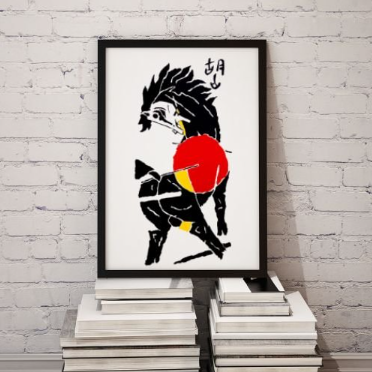
A properly framed original arrives ready to hang, the same finish worth expecting from a well made print. Image via thebrushstrokesco.com.
Are Art Prints Worth Buying
Art prints are worth buying for decor, gifting and bulk needs, but they rarely function as a financial investment the way a documented original by a recognized artist can.
India’s wall art market was estimated at roughly 5,682 million US dollars in 2026 and is projected to grow to nearly 9,857 million US dollars by 2033, according to Grand View Research, a pace that reflects just how many Indian households are actively spending on their walls rather than leaving them bare.
Most of that spending goes toward prints and decor pieces bought purely for visual value, not resale. Original paintings by artists with a genuine exhibition and auction history behave differently, since scarcity and provenance can push value upward over years, a pattern that rarely applies to an open edition or mass produced print no matter how attractively it gets framed. Limited edition serigraphs sit in a narrow middle ground. Capped runs and artist signatures give them some of the same scarcity logic as an original, though nowhere near the same ceiling.
Common Mistakes Buying Art Prints
A handful of avoidable mistakes account for most buyer regret with art prints.
- Buying a print without asking whether it uses pigment or dye based ink, then being surprised when the color fades within a year or two.
- Assuming every canvas print is a genuine giclee print, when plenty of cheap listings still rely on lower grade dye sublimation processes.
- Hanging a paper based print in direct sunlight or a humid bathroom, which shortens its lifespan dramatically.
- Choosing a print sized for a small frame on a large, dominant wall, which reads as an afterthought rather than a deliberate choice.
- Paying close to an original painting’s price for what turns out to be an unsigned, open edition reproduction with no documentation at all.
- Skipping a certificate of authenticity or provenance check on a higher priced serigraph or limited edition print before paying full price.
Frequently Asked Art Print Questions
What is the difference between an art print and an original painting?
An art print is a reproduced or hand-pulled image created in multiple copies, while an original painting is a one-of-a-kind artwork painted entirely by hand and never exactly repeated.
Are canvas prints the same as giclee prints?
Not exactly. A giclee refers to the printing process, which uses archival pigment inks on a professional fine art printer. A canvas print refers to the material the image is printed on. Many canvas prints today are produced using giclee technology, but the two terms describe different aspects of the artwork.
How long do art prints actually last?
A high-quality art print made with archival pigment inks and displayed away from direct sunlight can last 75 to 100 years or even longer. In contrast, lower-cost prints made with dye-based inks may begin to fade within two to ten years.
Is a serigraph considered an original or a print?
A serigraph is a print because it is produced as part of a numbered edition rather than existing as a single artwork. However, each print is created by hand through multiple screen-printing layers, giving it greater craftsmanship, texture, and collectability than a standard digital art print.
Do art prints hold their value over time?
Most art prints do not appreciate in value the same way original paintings by well-known artists can because they are produced in multiple copies. However, signed and limited-edition serigraphs generally retain their value better than open-edition reproductions.
How much should I budget for an art print in India?
A mid-sized canvas or giclee print typically costs a few thousand rupees, while a hand-pulled, signed serigraph by a recognized artist can range from tens of thousands to several lakhs, depending on the artist, edition size, and demand.
Can an art print be framed like an original painting?
Yes. A gallery-wrapped canvas print often looks complete without a frame, while paper-based art prints benefit from professional framing with UV-filtering glass, similar to original works on paper.
Is it better to buy an original painting or an art print as a gift?
An original painting is generally a more personal and premium gift for close family members, friends, weddings, anniversaries, or other significant milestones. An art print is a practical and attractive option for budget-conscious gifting, home décor, or larger corporate gifting programs.
Choose Art Prints Or Paintings
Neither art prints nor original paintings win this comparison outright. A print earns its place through affordability, easy framing and the freedom to decorate an entire home without waiting months for a single canvas to be finished. An original earns its place through texture, scarcity and the simple fact that nobody else on earth owns the same piece.
The right call comes down to the wall in question, the budget available, and what that particular purchase is meant to say. If you are ready to compare the two side by side, browse The Brushstrokes Co’s original paintings collection alongside our hand pulled serigraph prints, or explore the full art collections to see originals and prints displayed side by side before you decide.