
A beautiful nature painting can completely change the atmosphere of a room. Forests, mountains, rivers, flowers, trees, oceans and open landscapes can bring colour, depth and a visual connection to the natural world.
Nature-inspired artwork is also highly versatile. It can work in modern apartments, traditional homes, bedrooms, living rooms, offices, dining areas and even commercial spaces.
Some people prefer detailed landscape paintings, while others are drawn to expressive abstract nature art. The right choice depends on your personal taste, the room where the artwork will be placed, the size of the wall and the colours already present in the space.
In this guide, we explore different styles of nature paintings, the best places to display them, how to choose the right artwork for your home and what to consider when buying nature paintings online.
What Is a Nature Painting?
A nature painting is an artwork inspired by the natural environment.
Artists may paint mountains, forests, lakes, rivers, oceans, flowers, animals, trees, skies or entire landscapes. Some artworks recreate nature realistically, while others use colour, texture and simplified forms to create a more abstract interpretation.
Nature paintings can be created in many mediums, including oil, acrylic, watercolour and mixed media.
Because nature offers such a wide range of colours, moods and subjects, these paintings can complement almost every style of interior.
A dramatic mountain painting may become the focal point of a living room, while a soft botanical painting may work beautifully in a bedroom or reading corner.
Why Nature Paintings Work So Well in Interiors
Nature paintings are popular because they are visually easy to connect with.
Natural subjects can introduce movement, texture and colour without making an interior feel overly decorative.
For example, a forest painting may add rich greens and earthy tones, while an ocean or sky-inspired painting can introduce cooler shades of blue.
Nature artwork can also help balance spaces that rely heavily on neutral colours such as white, cream, beige, grey or brown.
In contemporary interiors, a large nature painting can act as a statement piece. In traditional interiors, detailed landscapes or botanical artwork can complement wood furniture, handcrafted décor and warmer colour palettes.
This flexibility makes nature-inspired art suitable for a wide range of homes.
Popular Types of Nature Paintings
Nature artwork comes in many styles. Understanding the different categories can make it easier to find a painting that matches your home and personal taste.
Landscape Nature Paintings
Landscape paintings usually feature large natural scenes such as mountains, forests, rivers, valleys or countryside views.
They can create a strong sense of depth, making them particularly effective on larger walls.
Landscape paintings are often chosen for living rooms, dining areas, offices and hallways where viewers have enough distance to appreciate the full composition.
Some landscape paintings are realistic, while others use loose brushwork and expressive colour.
If you enjoy wide scenic views and detailed natural environments, landscape paintings are a strong choice.
You can also explore our landscape painting guide to learn more about this timeless art category.
Abstract Nature Paintings
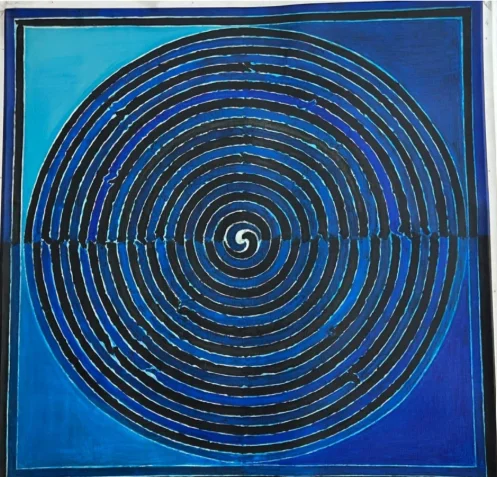
An abstract nature painting is inspired by the natural world but does not necessarily reproduce it realistically.
An artist may use broad strokes, unusual colour combinations or layered textures to suggest forests, oceans, mountains, flowers or skies.
For example, a composition of deep greens and brown textures may evoke a forest without showing individual trees.
Similarly, blue and white forms may suggest water or clouds.
Abstract nature paintings work particularly well in contemporary interiors because they introduce the feeling of nature while maintaining a modern visual style.
Botanical Nature Paintings
Botanical paintings focus on plants, leaves, flowers and natural forms.
They can range from detailed floral studies to highly stylised contemporary compositions.
Botanical artwork is especially versatile because it can work in bedrooms, dining rooms, hallways, kitchens and smaller living spaces.
Soft botanical paintings often complement light interiors, while colourful floral compositions can become a stronger visual feature.
Forest Paintings
Forest paintings often create a sense of depth through layers of trees, light and shadow.
They can range from realistic woodland scenes to atmospheric compositions with mist, sunlight or highly expressive colours.
Forest-inspired artwork can work particularly well in rooms with wooden furniture, natural fabrics and earthy décor.
Large forest paintings can also become strong statement artworks when displayed above a sofa or console table.
Mountain Paintings
Mountain paintings often communicate scale and openness.
Snow-covered peaks, rocky landscapes and distant valleys can create dramatic compositions that work well in living rooms, offices and larger spaces.
Mountain artwork can also suit minimalist interiors because the strong shapes of the landscape often create a clear and balanced composition.
River and Waterfall Paintings
Rivers and waterfalls add movement to nature artwork.
Flowing water can guide the viewer through the composition and create a sense of depth.
These paintings are especially suitable for living rooms, hallways and office spaces.
If you enjoy this subject, you can also explore our guide to paintings of waterfalls for more inspiration.
Wildlife Nature Paintings
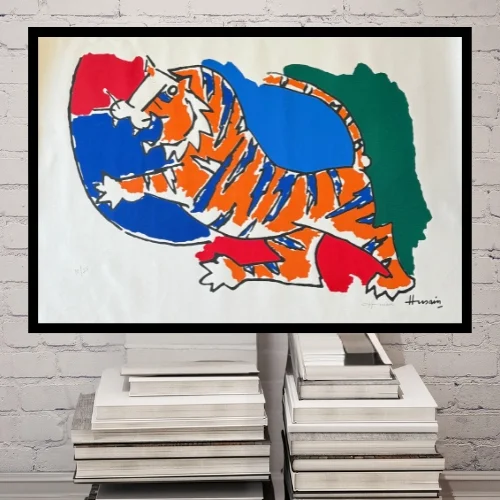
Wildlife artwork combines animals with their natural surroundings.
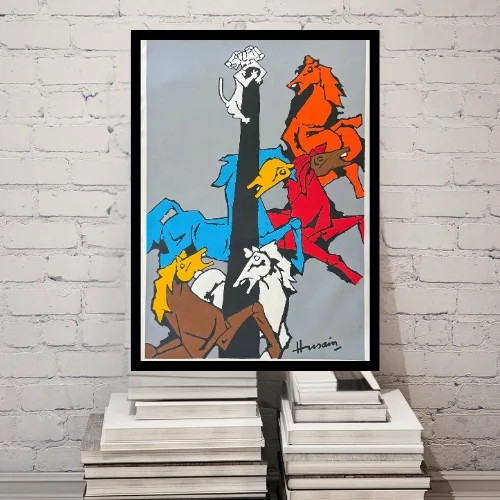
Birds, deer, elephants, horses and other animals are frequently represented within forests, grasslands and natural landscapes.
Traditional Indian art styles also often feature animals and natural symbolism.
For example, Gond art regularly uses trees, birds and wildlife as important visual elements.
You can explore our Gond art painting guide to discover more about this distinctive Indian art tradition.
Nature Paintings for Living Room
The living room is one of the most popular places to display a nature painting for home.
Because the living room is usually one of the largest spaces in the house, it often allows for bigger and more expressive artworks.
A landscape painting above a sofa can create a strong focal point, while an abstract nature painting can introduce colour to an otherwise neutral room.
Before buying a painting, measure the wall carefully.
The artwork should feel proportionate to the furniture and surrounding space.
A very small painting on a large empty wall may feel lost, while a very large artwork can overwhelm a compact room.
For wide sofas, a horizontal landscape often works naturally because it follows the shape of the furniture below.
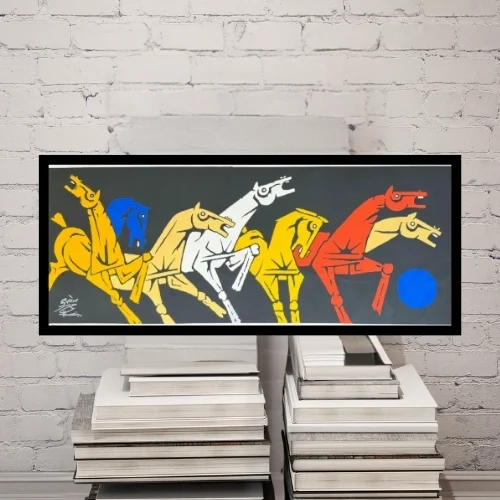
For narrow walls, a vertical nature painting may be more suitable.
Nature Paintings for Bedroom
Bedrooms generally benefit from artwork that feels visually balanced rather than overly busy.
Nature paintings featuring soft landscapes, flowers, calm lakes, misty forests and open skies can work well in bedroom interiors.
Colours such as muted blue, green, beige, grey and soft earth tones are often easy to coordinate with bedding and furniture.
A horizontal painting above the bed is a common option, while smaller botanical or landscape artworks can also work well on side walls.
When selecting bedroom artwork, think about whether the painting complements the overall mood of the room rather than choosing only based on colour.
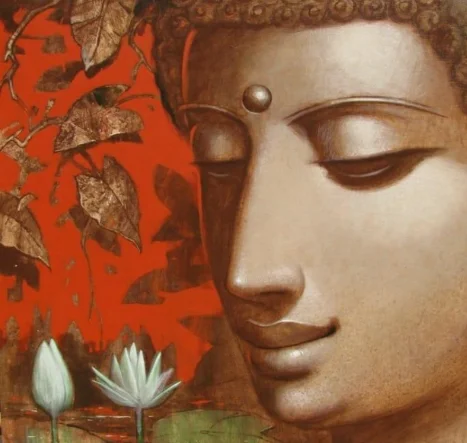
Nature Paintings for Dining Room
Nature-inspired artwork can also work beautifully in dining spaces.
Botanical paintings, floral compositions and landscapes can add visual warmth without overwhelming the room.
Larger dining rooms may benefit from a single statement artwork, while compact dining spaces can work well with smaller paintings.
If your dining area already contains wooden furniture or earthy materials, nature paintings with greens, browns, ochres or warm neutrals can create a visually connected look.
Nature Paintings for Office and Study Spaces
Nature-inspired artwork can add personality to professional spaces without making them feel informal.
Landscape paintings, abstract compositions and forest-inspired artwork can work well in home offices, study rooms, reception areas and meeting rooms.
For a professional setting, consider paintings with balanced compositions and colours that complement the furniture and branding of the space.
A large landscape can add visual interest to an otherwise plain office wall, while a smaller abstract nature painting may work well near a desk or bookshelf.
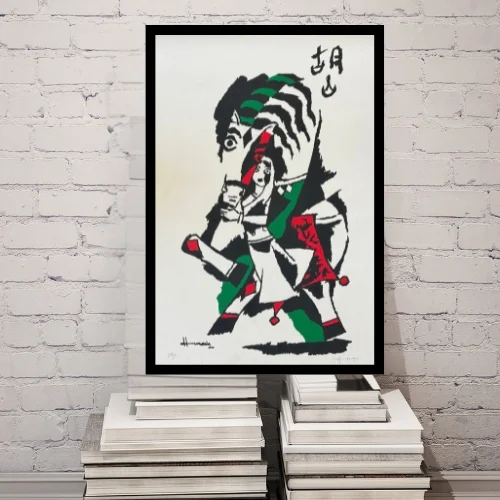
Nature Painting Canvas and Other Materials
The surface and medium of an artwork can significantly influence its appearance.
Canvas Nature Paintings
A nature painting canvas is one of the most popular options for home interiors.
Canvas works well with acrylic and oil paints and allows artists to build texture, layers and visible brushwork.
Canvas paintings can be framed traditionally, placed in floating frames or sometimes displayed without an external frame depending on the style of the artwork.
They are also available in a wide range of sizes, making them suitable for both small walls and larger statement areas.
Oil Nature Paintings
Oil paintings are known for their rich colour, depth and ability to create detailed textures.
They are commonly used for landscapes, wildlife paintings and traditional nature scenes.
Oil paintings can bring a more classic or luxurious feel to interiors, particularly when displayed in living rooms or formal spaces.
Acrylic Nature Paintings
Acrylic paints are highly versatile.
Artists can use them to create bold colours, smooth surfaces, layered textures or expressive brushwork.
Many contemporary and abstract nature paintings are created using acrylic because it works well across both realistic and modern styles.
Watercolour Nature Paintings
Watercolour paintings tend to have a softer and more delicate appearance.
They are commonly used for flowers, landscapes, trees and light atmospheric scenes.
Watercolour artworks can work particularly well in bedrooms, hallways, studies and smaller spaces.
Since most watercolour paintings are created on paper, framing can help protect the artwork over time.
Mixed Media Nature Paintings
Some contemporary artists combine different materials in a single artwork.
This may include paint, texture, collage or other artistic techniques.
Mixed media nature paintings can offer a more experimental appearance and are often suited to modern interiors.
How to Choose a Nature Painting for Your Home
Choosing the right nature painting involves more than simply finding an image you like.
Start by identifying where the artwork will be displayed.
Measure the available wall area and take note of nearby furniture, lighting and decorative objects.
Then think about scale.
A larger wall generally suits a larger artwork, while compact rooms may benefit from smaller paintings.
You should also consider the shape of the space.
Wide walls often suit horizontal paintings, while narrow walls may work better with vertical compositions.
Colour is another important factor.
The painting does not need to match your room perfectly. In fact, artwork often looks more interesting when it introduces a slightly different shade or tone.
A good approach is to find one or two colours within the painting that already appear somewhere else in the room.
This creates visual harmony while still allowing the artwork to stand out.
Finally, choose a subject and style you genuinely enjoy.
Art often stays in a home for many years, so personal preference should matter more than short-term trends.
Choosing Nature Paintings According to Interior Style
Different interiors can suit different kinds of nature artwork.
Modern Interiors
Modern homes often work well with abstract landscapes, bold nature compositions and minimalist botanical paintings.
Clean shapes and expressive colours can complement contemporary furniture.
Traditional Interiors
Traditional homes may suit detailed landscapes, oil paintings and nature scenes with warm tones.
Wooden frames and classic compositions can integrate naturally with traditional décor.
Minimalist Interiors
Minimal interiors often benefit from a single strong artwork rather than multiple decorative elements.
A simple landscape or abstract nature painting with a restrained colour palette can create enough visual interest without making the room feel crowded.
Bohemian Interiors
Bohemian interiors allow for more colour and pattern.
Botanical paintings, wildlife art and expressive landscapes can work particularly well in spaces with natural fabrics, handmade décor and layered textures.
Luxury Interiors
Large original paintings can create a strong statement in luxury interiors.
Consider artworks with rich textures, refined colour palettes and strong compositions that can hold attention on larger walls.
Choosing the Right Nature Painting Colours
The colours in a painting can influence how it interacts with the room.
Green nature paintings pair naturally with wood, beige, cream, white and earthy materials.
Blue paintings inspired by oceans, rivers or skies can create a cooler visual contrast.
Warm nature paintings featuring red, orange, yellow or gold tones can add richness to neutral interiors.
Black, grey and muted earth tones can work well in contemporary spaces where a more understated appearance is preferred.
If your room already contains multiple patterns or bright colours, consider choosing an artwork with a simpler colour palette.
On the other hand, a neutral room can handle a more colourful statement painting.
Nature Paintings for Small Spaces
A small home does not mean you have to avoid artwork.
The key is scale and placement.
Smaller landscapes, botanical paintings or compact abstract works can add character without making the room feel crowded.
You can also use a vertical artwork to make a narrow wall feel taller.
Another option is to display two or three smaller paintings together, provided they share a common colour palette or visual theme.
Keep enough space between each artwork so the arrangement still feels intentional.
Large Nature Paintings as Statement Art
Large nature paintings can transform a plain wall into the main visual feature of a room.
They work particularly well above sofas, beds, dining tables and large console units.
When choosing a large artwork, consider the viewing distance.
Highly detailed paintings are often better appreciated when there is enough space to step back and see the entire composition.
Abstract nature paintings also work well at a larger scale because their colours and textures can have a strong visual presence.
Modern Nature Paintings for Contemporary Homes
Modern nature paintings do not always depict nature literally.
An artist may simplify a forest into blocks of green, transform mountain shapes into geometric forms or represent flowing water through expressive brushstrokes.
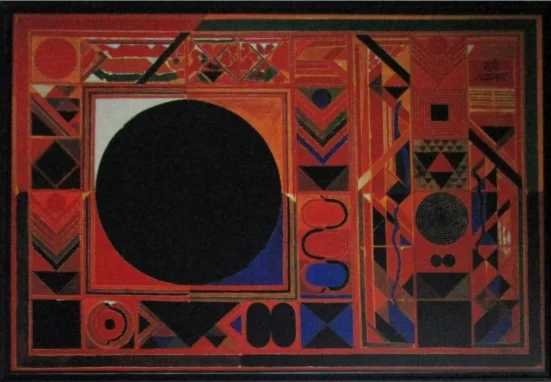
This creates artwork that feels inspired by nature while remaining strongly contemporary.
Modern nature paintings are particularly suitable for apartments, minimalist homes and interiors with clean furniture lines.
They can also be useful when you want natural subject matter without choosing a traditional landscape.
Nature Paintings and Indian Art Traditions
Nature has always played an important role in Indian art.
Different regional and folk art traditions frequently use trees, animals, birds, flowers and landscapes as symbolic elements.
Gond paintings, for example, often use intricate patterns to depict animals, forests and the relationship between people and nature.
Other traditional art forms also use natural motifs to communicate cultural stories and regional identity.
Choosing Indian nature-inspired artwork can therefore add both visual character and cultural context to an interior.
Original Nature Painting vs Prints
When buying art online, it is important to understand what type of artwork you are purchasing.
An original painting is created directly by the artist and is usually a unique piece.
A print, on the other hand, is a reproduction of an existing artwork.
Both can work well depending on your budget and purpose, but they should not be confused. Our comparison of art prints or paintings explains the difference in more detail.
Original paintings often show visible brushwork, texture and natural variations in the painted surface.
Before buying, always check the artwork description carefully to see whether the piece is an original, limited-edition print or reproduction.
How to Hang a Nature Painting
Good placement can significantly improve the appearance of your artwork.
For most rooms, the centre of the painting should sit approximately around eye level.
If you are placing artwork above furniture, avoid leaving too much empty space between the furniture and painting.
The two should feel visually connected.
Large paintings usually need more surrounding space than smaller artworks.
Also consider lighting.
Natural daylight can help artwork look beautiful, but strong direct sunlight over long periods should be avoided because it may gradually affect colours and materials.
Soft room lighting or dedicated picture lighting can help bring attention to the artwork in the evening.
Common Mistakes When Buying Nature Paintings
One of the most common mistakes is choosing a painting based only on how it appears in a website image.
Always check the actual dimensions before buying.
A painting that looks large on a screen may appear much smaller once placed on your wall.
Another mistake is choosing artwork only because it matches current décor trends.
Trends can change quickly, but original art may remain in your home for many years.
It is better to choose something that complements your interior while still reflecting your personal taste.
Buyers should also check the medium, framing information, artwork orientation and whether the piece is original.
Paying attention to these details can help avoid disappointment after purchase.
How to Care for a Nature Painting
Proper care can help preserve artwork for many years.
Avoid displaying original paintings in strong direct sunlight for extended periods.
Excessive humidity should also be avoided, especially for works on paper.
To remove everyday dust, use a clean, dry and very soft cloth or brush.
Do not apply household cleaning products, water or chemicals directly to the painting.
For valuable or older artwork, professional framing and conservation advice may be beneficial.
Nature Paintings as Gifts
Nature-inspired artwork can make a thoughtful and lasting gift.
Landscapes, botanical paintings and other natural subjects have broad visual appeal, making them suitable for occasions such as weddings, anniversaries, housewarmings and milestone celebrations.
Smaller original paintings can work well as personal gifts, while larger artworks may be appropriate for housewarmings or major celebrations.
Nature paintings can also be considered for corporate gifting because they can work across a wide range of office and home interiors.
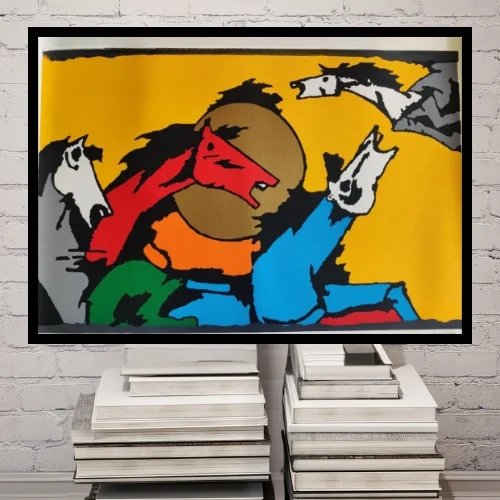
You can explore The Brush Strokes Co. gifting collection for additional art gifting options.
How to Buy Nature Paintings Online
Buying nature paintings online gives you access to a larger selection of artists, styles, subjects and sizes.
Before purchasing, carefully review the artwork dimensions, medium, orientation and framing details.
If possible, measure the intended wall and use masking tape to mark the approximate dimensions.
This gives you a better idea of how large the painting will appear in the room.
You should also read about the artist and the artwork wherever information is available.
Understanding the inspiration, medium and artistic approach can make the piece feel more meaningful. If anything is unclear, it is always better to ask before buying.
At The Brush Strokes Co., you can explore original paintings across multiple styles and subjects.
Whether you are looking for a landscape, contemporary composition, abstract nature painting or artwork for a specific room, selecting a piece that feels right for both your interior and personal taste is the most important part of the process.
Explore our original paintings collection to discover artwork for your home.
Frequently Asked Questions
What is a nature painting?
A nature painting is artwork inspired by natural elements such as mountains, forests, rivers, oceans, flowers, trees, animals and landscapes.
Which nature painting is best for a living room?
Landscape paintings, abstract nature paintings and larger statement artworks can all work well in living rooms. The best option depends on the size of the wall and the existing interior style.
How do I choose the right size nature painting?
Measure your available wall space before buying. Large walls generally suit statement paintings, while smaller walls may work better with compact artworks or carefully grouped pieces.
Are nature paintings suitable for bedrooms?
Yes. Softer landscapes, floral paintings, forests, lakes and artworks with calm colour palettes can work particularly well in bedrooms.
Are abstract nature paintings suitable for modern homes?
Yes. Abstract nature paintings work especially well in contemporary and minimalist interiors because they introduce natural forms through a modern visual language.
Which colours are best for nature paintings at home?
Greens, blues, earthy neutrals and warm natural tones are popular choices. The best colour depends on your walls, furniture and personal preference.
Are nature paintings available on canvas?
Yes. Many nature paintings are created using acrylic or oil on canvas. Watercolour works are more commonly created on paper.
How can I identify an original hand-painted artwork?
Original paintings often show natural variations in brushwork, texture and paint thickness. The artwork description should also clearly state whether the work is original.
Where should I place a nature painting?
Nature paintings can work in living rooms, bedrooms, offices, dining areas, hallways and studies. Choose a wall with enough surrounding space to appreciate the artwork.
Where can I buy original nature paintings online?
You can explore original artwork through The Brush Strokes Co., where paintings are available across different styles, subjects and mediums.
Bring Nature Into Your Home Through Art
A well-chosen nature painting can bring colour, depth and personality to almost any space.
From traditional landscapes and botanical artwork to abstract compositions and contemporary nature art, there are options for almost every interior style.
The best artwork is not simply the one that matches your furniture. It is the piece that you enjoy seeing every day and that feels naturally connected to your home.
Take time to consider the size, medium, colours and subject before making your choice.
Explore the original paintings collection at The Brush Strokes Co. to discover nature-inspired artwork and other original paintings that can become a meaningful part of your space.