
Texture art is a creative form of visual art that uses layered materials, raised surfaces, and expressive painting techniques to add depth and dimension to artwork. Unlike paintings with smooth surfaces, textured paintings often feature visible ridges, sculptural patterns, and interesting surface details that interact with light and shadow.
Artists create texture art using techniques such as impasto painting, palette knife application, acrylic texture paste, and mixed media. These methods allow artists to experiment with different materials and produce artwork that feels visually rich and expressive.
From minimalist textured canvas paintings to colourful abstract compositions, texture art has become an appealing option for contemporary home décor. It can introduce character, warmth, and visual interest into living rooms, bedrooms, offices, and other interior spaces.
In this guide, we explore the meaning of texture art, different types of texture, popular painting techniques, materials, designs, and ways to choose the right textured artwork for your home.
What Is Texture Art?
Texture art refers to artwork in which surface qualities play an important role in the overall composition. Texture can be created through physical materials or represented visually using colours, patterns, and painting techniques.
In textured paintings, artists often apply thick layers of paint, modelling paste, acrylic mediums, or other materials to create raised effects on canvas.
These surfaces interact with surrounding light, producing highlights and shadows that reveal the artwork’s depth.
Texture is an important element of art because it influences how viewers perceive surfaces, shapes, and visual details. It can make a painting appear rough, smooth, soft, uneven, or sculptural.
Contemporary artists use texture in abstract paintings, landscapes, mixed media artwork, and decorative canvas designs.
Types of Texture in Art
Understanding the two main types of texture helps explain how artists create depth and visual interest.
Actual or Physical Texture
Actual texture refers to the real surface characteristics of an artwork.
Artists create physical texture by applying materials that produce raised or uneven surfaces. These may include thick paint, modelling paste, fabric, sand, paper, or other mixed media elements.
For example, an abstract canvas painting created using heavy acrylic paste may contain visible ridges and sculptural patterns.
These raised details interact with light and create shadows that change according to the viewing angle.
Visual or Implied Texture
Visual texture creates the illusion of a textured surface without necessarily having significant physical depth.
Artists achieve this effect using brushwork, shading, colour variation, patterns, and carefully painted details.
For example, a painting may realistically represent the rough texture of stone, the softness of fabric, or the grain of wood while maintaining a relatively smooth surface.
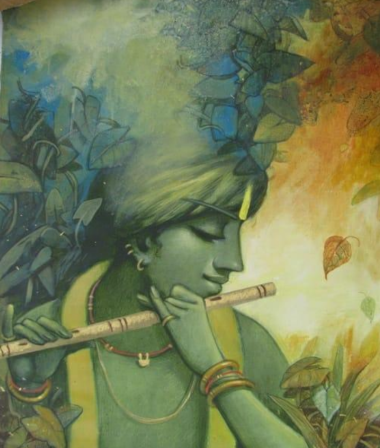
Both actual and implied texture contribute to the visual character of paintings.
Popular Texture Art Painting Techniques
Artists use several techniques to create different textured effects. Each technique produces a distinct appearance depending on the materials, tools, and artistic approach.
Impasto Painting
Impasto is a traditional painting technique in which paint is applied thickly enough to retain visible brush or knife marks.
The raised paint creates texture and changes how light reflects across the artwork.
Artists such as Vincent van Gogh and Rembrandt are well known for using impasto techniques in their paintings.
Today, impasto remains popular in abstract texture art, floral paintings, landscapes, and expressive contemporary artwork.
Palette Knife Painting
Palette knife painting involves using a flexible painting knife to apply, spread, scrape, or shape paint on a surface.
Unlike conventional brush application, a palette knife can create sharp edges, broad strokes, ridges, and layered patterns.
Artists frequently use this technique in abstract texture paintings because it allows them to experiment with bold compositions and expressive surfaces.
Palette knife techniques work particularly well with suitable acrylic and oil painting materials.
Texture Paste and Acrylic Mediums
Texture paste and acrylic mediums allow artists to create raised patterns and sculptural effects on canvas.
Modelling paste can be spread across a prepared surface and shaped using painting knives, spatulas, combs, or other tools.
Once fully dried and properly prepared, compatible materials can be painted to create decorative effects.
These methods are often used to produce minimalist textured canvas artwork, geometric designs, and contemporary relief paintings.
Mixed Media Texture Art
Mixed media texture art combines painting with additional materials such as fabric, paper, fibres, metal leaf, or other suitable decorative elements.
Artists use these materials to create visually layered compositions that combine different surfaces and effects.
Mixed media artwork may include abstract designs, nature-inspired compositions, or experimental contemporary pieces.
The durability of the finished artwork depends on the compatibility and quality of the materials used.
Materials Used to Create Texture Art
The materials used in texture painting influence its appearance, surface quality, and durability.
Acrylic paint is commonly used because it dries relatively quickly and can be combined with compatible texture mediums. Oil paint is another popular option, particularly for impasto painting techniques.
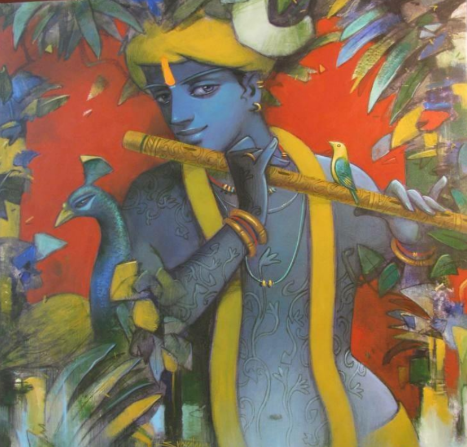
Artists may also use modelling paste, acrylic gel mediums, painting knives, textured brushes, and prepared canvas panels.
Some contemporary artists incorporate materials such as fabric, sand, handmade paper, or decorative metallic elements.
The selection of materials depends on the desired texture, painting technique, and type of surface.
For beginners experimenting with texture art, acrylic paint, an appropriate modelling paste, a sturdy prepared canvas or panel, and a painting knife can provide a practical starting point.
Popular Texture Art Designs and Styles
Texture art can be adapted to different artistic preferences and interior styles.
Abstract Texture Art
Abstract texture art uses shapes, colours, patterns, and raised surfaces rather than relying on realistic subjects.
These paintings may feature bold palette knife strokes, layered geometric compositions, or expressive sculptural forms.
Abstract textured artwork works well in modern homes because it can complement different colour palettes and furniture styles.
Minimalist Textured Canvas Art
Minimalist texture art focuses on simple compositions, subtle patterns, and limited colour palettes.
Neutral shades such as beige, ivory, cream, white, and soft grey are commonly used to create understated designs.
In these artworks, raised details and the interaction of light and shadow become important visual elements.
Minimalist textured paintings are particularly suitable for contemporary living rooms, bedrooms, and office interiors.
Floral Texture Paintings
Floral texture paintings use layered paint or modelling mediums to represent flowers, petals, leaves, and botanical elements.
Artists may combine impasto techniques with expressive brushwork to create raised floral patterns.
These artworks can bring colour, softness, and natural inspiration into interior spaces.
Geometric and 3D Texture Art
Geometric texture art incorporates lines, arches, circles, and structured patterns to create visually balanced compositions.
Some pieces use raised relief surfaces that produce a three-dimensional appearance.
These designs are often selected for modern and minimalist interiors where simple shapes and architectural details are preferred.
Why Choose Textured Wall Art for Modern Homes?
Textured wall art can add depth and visual interest to a room without requiring extensive decorative changes.
One of its distinctive characteristics is the way a raised surface interacts with light.
As lighting changes throughout the day, highlights and shadows can make different details of the artwork more noticeable.
In minimalist interiors, textured artwork can introduce an additional visual element while maintaining a restrained colour palette.
A large textured canvas painting may also serve as a focal point above a sofa, console table, or dining area.
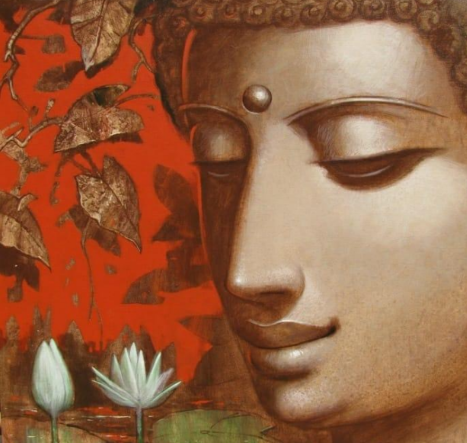
Depending on the artwork’s style, texture can create a bold statement or provide subtle decorative detail.
For homeowners interested in contemporary paintings, textured artwork offers a way to introduce surface variation alongside colour, composition, and subject matter.
Explore the artwork collection at The Brush Strokes Co. to discover different artistic styles for residential and professional interiors.
How to Choose Texture Art for Your Living Room
Choosing the right texture art for a living room involves considering the painting’s size, colours, surface depth, and placement.
Select the Right Artwork Size
The size of a textured painting should complement the available wall space and surrounding furniture.
A large statement piece can become the main visual feature of a spacious living room.
For smaller areas, a medium-sized canvas or carefully arranged collection of artworks may provide better balance.
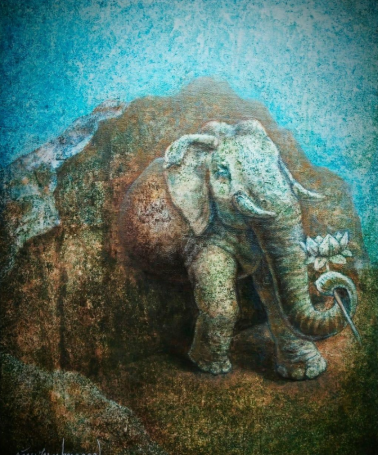
Before purchasing, measure the wall and visualise how the painting will appear alongside furniture and other decorative elements.
Match the Artwork With Your Interior Colours
Neutral texture paintings in cream, beige, and white work well in interiors that feature natural materials and soft colour palettes.
For a more expressive appearance, consider textured artwork incorporating terracotta, blue, green, ochre, or other colours that complement the room.
The artwork does not need to match every decorative element exactly. A balanced contrast can make it stand out naturally.
Understanding the importance of contrast in paintings can also help you appreciate how colours, light, and surface details contribute to visual impact.
Consider Lighting and Placement
Lighting plays an important role in displaying texture art.
Soft, angled lighting can reveal raised details and create gentle shadows across the painting.
Avoid placing delicate original artwork in prolonged direct sunlight, particularly when its pigments or materials may be sensitive to ultraviolet exposure.
Proper placement helps preserve the artwork while making its distinctive textures easier to appreciate.
Texture Art vs Traditional Canvas Paintings
Both textured artwork and smooth canvas paintings can create visually engaging interiors, but they differ in how surface effects are produced.
- Texture Art: Often features raised layers, sculptural effects, thick paint, or mixed materials that create noticeable physical depth.
- Smooth Canvas Painting: May rely more heavily on fine brushwork, shading, composition, and colour to represent depth and texture visually.
However, these categories are not mutually exclusive. Traditional paintings can contain physical texture, while contemporary texture art may also incorporate smooth surfaces.
Neither approach is necessarily better. The right choice depends on individual artistic preferences, interior design, and the visual effect you want to achieve.
Textured paintings can be particularly appealing when you want to highlight surface variation, while smoother paintings may be preferred for detailed illustrations or subtle decorative compositions.
Common Mistakes to Avoid When Buying Texture Art
When choosing textured canvas artwork, it is important to consider more than appearance alone.
One common mistake is selecting artwork without checking its actual dimensions. A painting that looks impressive in an online photograph may appear too small or too large for the intended wall.
Another mistake is overlooking the materials used to create the textured surface. Some artworks feature actual raised details, while others are printed reproductions of textured paintings.
Buyers should confirm whether they are purchasing an original painting, handmade mixed media artwork, or a reproduction.
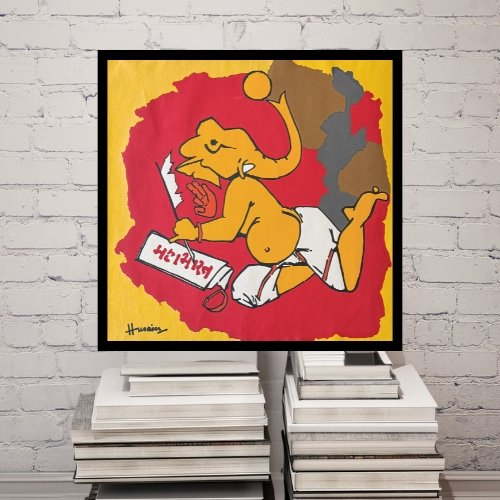
It is also important to check framing, shipping protection, and handling requirements because heavily textured surfaces may be vulnerable to pressure or accidental damage.
Finally, consider how the artwork complements the room’s existing furniture, lighting, and decorative style.
For more guidance, read our article on buying Indian paintings online.
How to Care for Textured Canvas Art
Proper care helps maintain the appearance and condition of textured paintings.
Unlike smooth surfaces, raised paint and decorative materials may collect dust in small grooves or recessed areas.
Avoid touching the painted surface unnecessarily, particularly when the artwork contains delicate raised details.
Keep textured artwork away from direct sunlight, excessive humidity, and extreme temperature changes.
For valuable or fragile pieces, consult the artist or a professional conservator before cleaning. Some stable, modern surfaces may tolerate careful dry dusting, but other materials can be damaged even by a soft brush.
Avoid using water, household cleaning sprays, or abrasive materials directly on the painted surface unless the artist or conservator specifically recommends them.
When moving textured artwork, support it by its frame or appropriate structural edges rather than pressing against the painted surface.
With suitable materials and proper conservation, textured paintings can retain their appearance for many years.
Texture Art for Gifting and Special Occasions
Texture art can also make a thoughtful gift for people who appreciate contemporary paintings and decorative artwork.
Minimalist textured canvas paintings may be suitable for housewarmings, while colourful abstract pieces can be selected for birthdays, anniversaries, and weddings.
For professional spaces, textured artwork may be considered as a decorative gift for office openings or business milestones.
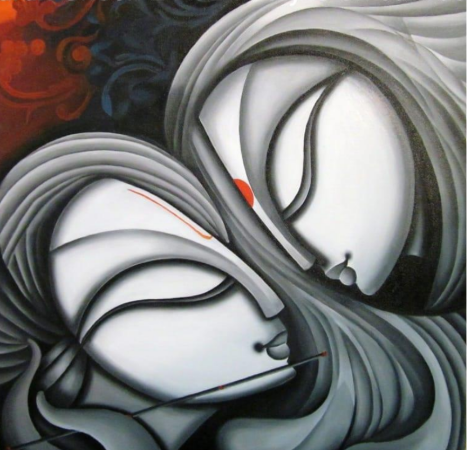 When choosing artwork as a gift, consider the recipient’s personal taste, interior colour palette, and available display space.
Original artwork can offer a personal connection through the artist’s individual technique, materials, and creative expression.
Explore our art gifting collection for more ideas suited to different occasions.
Texture Art in Contemporary Indian Interiors
Contemporary Indian interiors often combine modern furniture with traditional materials, regional influences, and handcrafted decorative elements.
Texture art can complement these spaces by introducing surface detail and visual depth.
Neutral textured paintings may suit minimalist apartments, while colourful abstract compositions can work well in interiors featuring wooden furniture, handcrafted textiles, or traditional decorative objects.
Some contemporary Indian artists also experiment with mixed media, natural fibres, and culturally inspired patterns.

This flexibility allows textured artwork to complement both modern and traditional design approaches.
For art enthusiasts interested in exploring different painting styles, The Brush Strokes Co. offers an opportunity to discover Indian art and contemporary creative expression.
Buying Original Texture Art Online
When purchasing original texture art online, choose an artwork based on its artistic quality, materials, dimensions, and suitability for your space.
Examine photographs carefully, especially close-up images that show the surface details.
Check whether the artwork is hand-painted or reproduced, and review available information about the artist and technique.
It is also useful to confirm the artwork’s framing status, packaging method, shipping arrangements, and applicable return conditions.
Because textured paintings can include raised and delicate materials, secure packaging is particularly important during transportation.
Buying original artwork also provides an opportunity to appreciate the individuality of an artist’s technique and creative process.
Explore original paintings and artwork to find pieces that reflect your preferences and interior style.
Conclusion
Texture art brings together surface detail, colour, technique, and creative expression to produce visually engaging artwork.
From impasto painting and palette knife techniques to mixed media compositions and minimalist textured canvas designs, this art form offers a wide range of possibilities.
Understanding different types of texture, painting materials, and artistic techniques can help you appreciate the craftsmanship behind each piece.
Whether you prefer abstract texture art, contemporary wall paintings, or subtle neutral compositions, selecting artwork that complements your space can add depth and character to your interiors.
At The Brush Strokes Co., we celebrate the creativity and diversity of Indian artwork. Explore our artwork collection to discover paintings that suit your artistic interests and home décor preferences, or contact us for help choosing the right piece.
Frequently Asked Questions About Texture Art
1. What is texture art in painting?
Texture art is artwork that uses physical or visually represented surface details to create depth and visual interest. Artists may use thick paint, modelling paste, mixed media, or painting techniques that imitate different textures.
2. What are the two main types of texture in art?
The two main types are actual texture and implied texture. Actual texture refers to the physical characteristics of a surface, while implied texture creates the visual appearance of texture through painting techniques.
3. Which materials are used for texture art?
Common materials include acrylic paint, oil paint, modelling paste, acrylic gel mediums, prepared canvas, palette knives, and compatible mixed media materials.
4. What is the difference between texture art and impasto painting?
Texture art is a broad category that includes different approaches to surface detail. Impasto is a specific painting technique that uses thick paint to create raised brush or knife marks.
5. How is textured canvas art created?
Artists create textured canvas artwork by applying suitable layers of paint, texture paste, or mixed media materials. Tools such as palette knives, brushes, and spatulas help shape the surface before the artwork is completed.
6. Can beginners create texture paintings?
Yes. Beginners can experiment with texture painting using prepared canvas, acrylic paint, suitable texture mediums, and basic painting tools. Following product instructions for application and drying is important.
7. What are popular texture art designs for living rooms?
Popular options include abstract textured paintings, minimalist neutral artwork, geometric relief designs, floral compositions, and contemporary mixed media pieces.
8. Is texture art suitable for modern home interiors?
Yes. Texture art can complement modern interiors by introducing surface variation, subtle shadows, and decorative depth. The most suitable design depends on the room’s size, colours, lighting, and existing décor.
9. How do you clean textured canvas paintings?
Cleaning depends on the artwork’s materials and condition. Avoid water, household cleaners, and unnecessary contact with raised surfaces. Seek guidance from the artist or a qualified conservator, especially for valuable or delicate work.
10. What should you check before buying texture art online?
Check the artwork’s size, materials, surface details, originality, artist information, framing, shipping protection, and return conditions. Close-up photographs can help you evaluate the texture before purchasing.