
Indian art paintings bring together centuries of culture, storytelling and artistic expression. From spiritual and mythological subjects to contemporary compositions, Indian artwork offers an incredible range of styles for homes, offices and private collections.
For art lovers in Saudi Arabia, exploring Indian art paintings online makes it easier to find artwork that reflects personal taste while adding character to an interior. Buyers in Riyadh, Jeddah and other cities can explore traditional subjects, contemporary artwork, fine art and sculptures from Indian artists without limiting themselves to locally available collections.
Whether you are decorating your home or looking for meaningful artwork for a collection, understanding the different styles can help you choose a piece you will enjoy for years.
What Makes Indian Art Paintings Unique?
Indian art paintings are known for their diversity. India’s different regions, traditions and artistic movements have created distinctive approaches to colour, symbolism, composition and storytelling.
Some artworks explore mythology and spirituality, while others focus on human expression, nature, animals or contemporary ideas. This variety means Indian art can complement both traditionally styled spaces and modern interiors.
More importantly, choosing artwork is not simply about matching colours with furniture. A painting can become the visual focal point of a room and often carries a story that creates a deeper connection with the space.
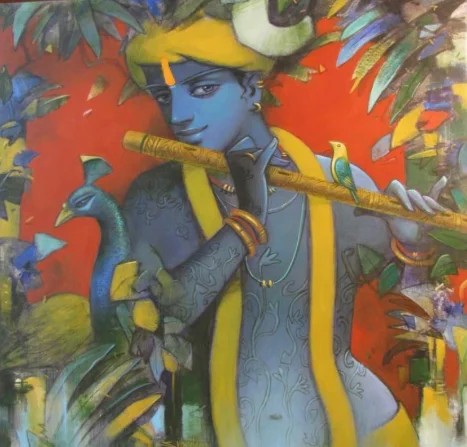
Spiritual Indian Art Paintings
Spiritual and mythological themes have played an important role in Indian art for generations. Subjects such as Krishna, Ganesha, Buddha, Shiva and Parvati continue to inspire artists working in both traditional and contemporary styles.
These artworks are often selected not only for their visual beauty but also for their symbolism.
Krishna paintings may represent love, harmony and devotion, while Ganesha paintings are widely associated with wisdom and new beginnings. Buddha-inspired artwork often creates a peaceful and reflective atmosphere.
Because modern artists interpret these subjects in many different ways, spiritual Indian art paintings can work beautifully even in contemporary homes.
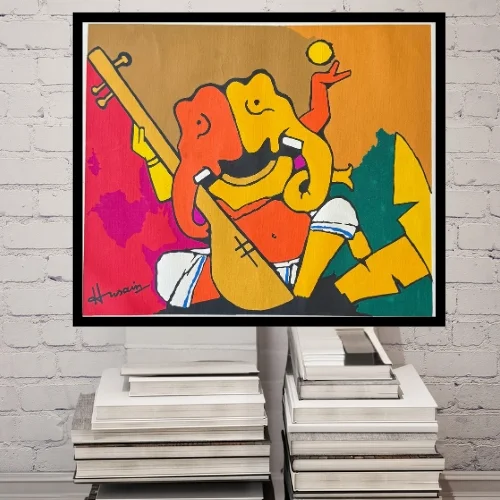
Buddha Paintings for Calm and Contemporary Spaces
Buddha paintings are particularly popular for interiors where a calm and balanced atmosphere is desired.
They can work well in living rooms, meditation spaces, reading areas and quiet corners of the home. Depending on the artist’s approach, Buddha artwork may range from detailed figurative paintings to more minimal or contemporary compositions.
When selecting this type of Indian artwork, consider the mood of the room as well as the colours and scale of the painting.
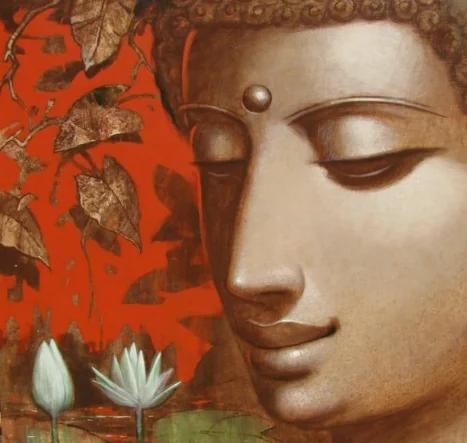
Indian Art Paintings Inspired by Shiva and Parvati
Shiva and Parvati are another powerful subject within Indian art.
Artworks inspired by them can represent balance, companionship and the relationship between complementary energies. Artists may depict these themes through traditional imagery or reinterpret them using contemporary colours, textures and compositions.
For buyers who want artwork with cultural meaning while maintaining a sophisticated visual presence, Shiva-Parvati paintings can make a distinctive addition to a collection.
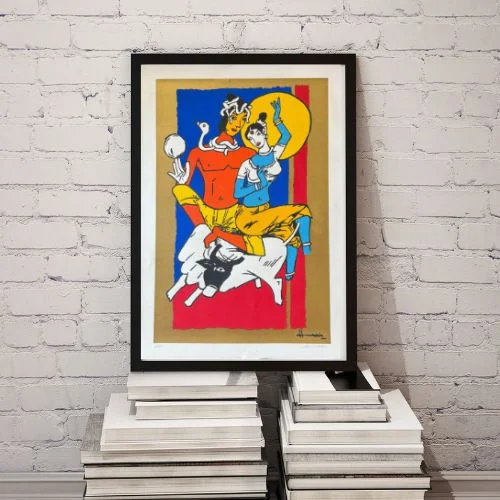
Contemporary Indian Art Paintings for Modern Homes
Indian art is not limited to traditional subjects.
Contemporary Indian artists experiment with abstraction, portraiture, texture, digital techniques and modern interpretations of familiar themes. These works are particularly suitable for buyers who appreciate Indian artistic influences but prefer artwork that fits naturally into a modern interior.
A contemporary painting can work as a statement piece above a sofa, in an entrance area or across a large feature wall.
Neutral interiors can accommodate vibrant artwork particularly well because the painting becomes the visual centre of the room.
Horse Paintings in Indian Art
Horses are a recurring subject in Indian art and contemporary painting.
Their movement and energy can create visually powerful compositions. Depending on the artistic style, horse paintings may feel dramatic, elegant, traditional or highly contemporary.
Large horse paintings work especially well in spacious living rooms, offices and reception spaces where the artwork has enough room to be appreciated from a distance.
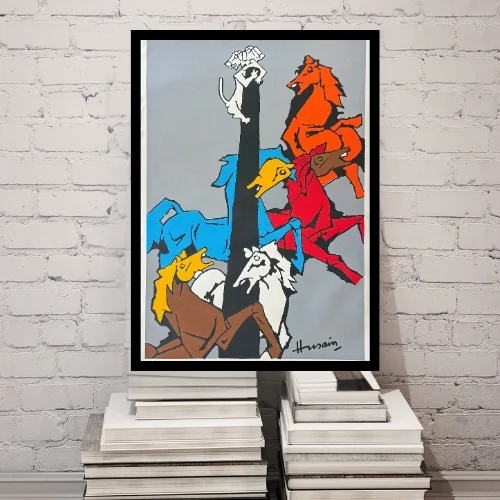 Horse Indian art painting for living room and office interiors
Portrait-Based Indian Artwork
Portraiture offers another side of Indian art.
Rather than focusing purely on decorative appeal, portrait paintings can communicate emotion, personality and human stories. These works often become conversation pieces because viewers naturally connect with faces and expressions.
Portrait-based art may suit reading areas, studies, offices or curated gallery walls where individual artworks can be appreciated more closely.
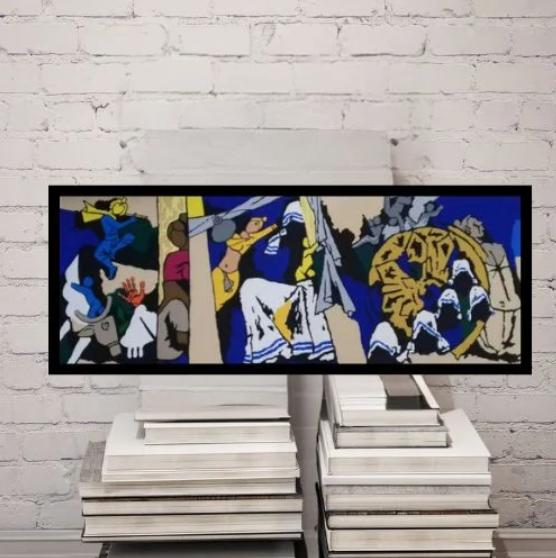
Digital Fine Art and the Changing Indian Art Landscape
The definition of Indian art continues to expand.
Alongside canvas paintings and traditional techniques, artists are increasingly exploring digital fine art and new creative formats. These artworks combine artistic ideas with modern production techniques while still allowing artists to explore Indian subjects, culture and contemporary themes.
For collectors who prefer a more modern aesthetic, digital fine art can provide an interesting alternative to conventional paintings.
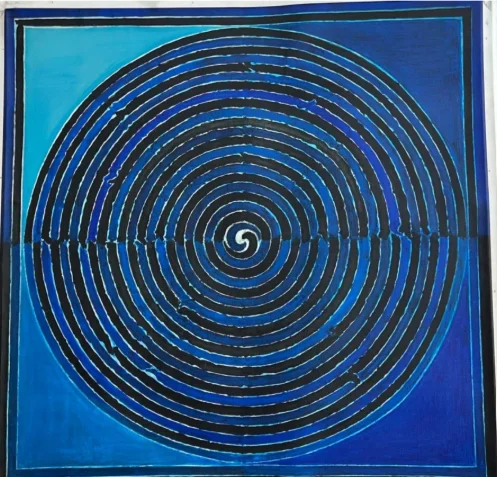
Indian Sculptures and Three-Dimensional Art
A collection does not need to consist entirely of paintings.
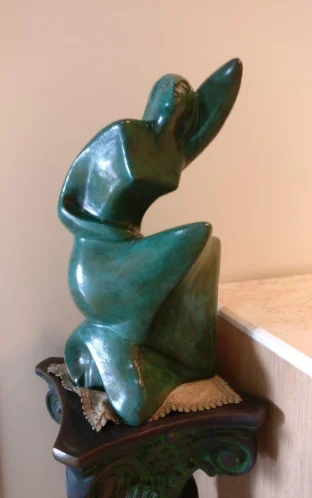
Indian sculptures can introduce depth, texture and three-dimensional interest into a room. A sculpture positioned near paintings can also make an art display feel more curated rather than simply decorative.
Sculptures work particularly well on console tables, display shelves, reception areas and dedicated art corners.
How to Choose Indian Art Paintings for Your Home
Start with artwork that genuinely appeals to you rather than selecting a painting only because it matches the room.
Consider the wall size, viewing distance and surrounding furniture. A large wall generally benefits from one strong statement artwork, while smaller paintings may work better as part of a carefully arranged collection.
Colour is important, but it does not have to match the room exactly. Artwork can introduce contrast and become the element that brings personality into an otherwise neutral space.
You should also think about subject matter. Spiritual paintings, figurative artwork, animals, abstract pieces and contemporary compositions all create different moods.
The right choice ultimately depends on what you want the room to communicate.
Indian Art Paintings in Saudi Arabia
Indian art paintings can work beautifully within Saudi Arabian interiors because they can complement a wide variety of design styles.
A contemporary Indian painting can create contrast in a clean modern apartment in Riyadh, while a culturally inspired artwork may add warmth and personality to a larger family home in Jeddah.
Collectors can also combine Indian artwork with contemporary furniture, neutral walls, natural textures and sophisticated lighting without making a room feel overly traditional.
For buyers searching online, the ability to explore artwork by subject, style and artist makes it easier to compare pieces before choosing something suitable for the space.
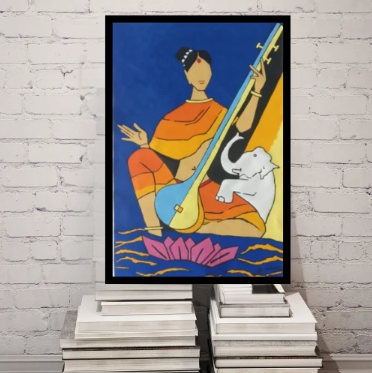
Original Indian Art Paintings vs Mass-Produced Prints
When buying artwork online, it is important to understand exactly what you are purchasing.
An original painting is individually created by the artist, while limited-edition artworks are produced in controlled quantities. Mass-produced decorative prints may reproduce an image many times and generally serve a different purpose.
If originality and collectibility matter to you, check the artwork description carefully.
Look for information about the artist, medium, dimensions, edition details where relevant and any available authenticity documentation.
These details help buyers make a more informed decision rather than choosing artwork based only on the image shown online.
Where to Buy Indian Art Paintings Online
Buying Indian art online gives collectors access to a much broader range of artists, subjects and styles.
The Brush Strokes Co. offers collections across paintings, serigraphs, sculptures and other forms of Indian artwork, allowing buyers to explore pieces according to their personal preferences.
When comparing artwork online, look beyond the photograph. Consider dimensions, medium, artist information and the overall scale of the space where you plan to display it.
For international buyers, it is also sensible to confirm shipping, packaging and delivery details before completing an order.
Indian Art Paintings as Meaningful Gifts
Art can also be a thoughtful alternative to conventional gifting.
A carefully selected painting can work for housewarmings, weddings, anniversaries and important personal milestones. Businesses can also consider artwork for corporate gifting where something more distinctive than standard branded merchandise is required.
The key is choosing a subject that feels appropriate for the recipient rather than simply selecting a decorative piece.
Caring for Indian Art Paintings
Proper care helps preserve artwork over time.
Avoid prolonged exposure to direct sunlight, particularly for pieces that use sensitive pigments. Paintings should also be protected from excessive humidity and moisture.
When framing works on paper, good-quality framing materials and protective glazing can provide additional protection.
For valuable or delicate artwork, professional framing and conservation advice may be worth considering.
Bring Indian Art Into Your Space
Indian art paintings offer far more than decoration. They bring together artistic expression, cultural influences and personal storytelling.
From Krishna and Ganesha paintings to Buddha artwork, horse paintings, portraits, contemporary digital art and sculptures, there are many directions to explore.
For collectors and homeowners in Saudi Arabia, browsing Indian art online provides access to a much wider selection than relying only on locally available artwork.
Choose a piece that connects with you, works naturally within your space and gives you something worth returning to every time you enter the room.
Frequently Asked Questions
What are Indian art paintings?
Indian art paintings include a wide range of artworks influenced by India’s cultural traditions, spiritual themes, regional styles and contemporary artistic movements.
What are popular subjects in Indian art paintings?
Popular subjects include Krishna, Ganesha, Buddha, Shiva-Parvati, animals, portraits, mythology, nature, abstract compositions and contemporary themes.
Where can I buy Indian art paintings online?
Indian art can be explored through specialist galleries and curated online art platforms such as The Brush Strokes Co., where buyers can browse paintings, serigraphs, sculptures and other artwork.
Can I buy Indian art paintings in Saudi Arabia?
Buyers in Saudi Arabia can explore Indian artwork through online galleries that accept international enquiries or orders. Confirm current delivery, shipping and customs details with the seller before purchasing.
Are Indian art paintings suitable for modern interiors?
Yes. Contemporary, abstract and even traditionally inspired Indian artworks can complement modern interiors when the size, colours and subject are chosen appropriately.
How do I choose an Indian painting for my living room?
Consider the size of the wall, furniture placement, viewing distance, colour palette and the mood you want the artwork to create.
How can I identify an original Indian painting?
Check the artist information, medium, dimensions, visible painting characteristics and authenticity documentation supplied by the gallery or artist.
What is the difference between an original painting and a print?
An original painting is individually created by the artist, while a print reproduces an existing image. Limited-edition prints are produced in restricted quantities and may include edition numbers and artist signatures.
How should I care for Indian art paintings?
Keep artwork away from prolonged direct sunlight, excessive humidity and moisture. Appropriate framing and careful cleaning can also help preserve the artwork.
Can Indian art paintings be given as gifts?
Yes. Paintings can make meaningful gifts for weddings, housewarmings, anniversaries, festive occasions and important milestones.