
Long before Dubai became known for glass towers and gallery-filled warehouses, its art history was shaped by pearl divers, textile traders, and calligraphers working within a port city that connected the Arabian Gulf to India, Persia, and East Africa. Understanding this art history matters for anyone furnishing a home here today, because Dubai’s visual culture has never been built in isolation. It has always absorbed influences from the people who passed through it, which is exactly why Indian miniature painting, Persian ornamentation, and Emirati conceptual art now sit comfortably in the same city, sometimes in the same room.
This guide traces the art history of Dubai from its early trading roots through the Emirati modern art movement of the 1980s to the global gallery scene it has become today, and shows how that same layered history can inform the way you style your own walls. Along the way, you will find practical placement advice and a few genuine artisan pieces from The Brush Strokes Co.’s art collections that reflect this cross-cultural art history.
What Shaped Dubai’s Early Artistic Traditions
Before Dubai had a single gallery, its art history was expressed through craft rather than canvas. Pearl diving, the city’s original economic engine before oil, produced a visual culture built around textiles, silverwork, and calligraphic ornamentation on boats, doors, and jewellery. Sadu weaving, a geometric textile technique practised by Bedouin women across the Gulf, used bold repeating patterns not unlike the folk art traditions found elsewhere in Asia, and it remains one of the clearest threads in the region’s early art history. Arabic calligraphy, applied to architecture and manuscripts alike, carried religious and poetic meaning in a way that closely parallels how Indian miniature painters used script and border ornamentation to frame a scene.
This early period rarely gets the same attention as Dubai’s contemporary art scene, but it is genuinely foundational. Craft traditions built around trade goods, dhow carpentry, silver Khaleeji jewellery, henna pattern work, established an appreciation for detail and pattern that still shows up in how Dubai residents furnish their homes today, favouring intricate, story-rich pieces over flat, mass-produced décor.
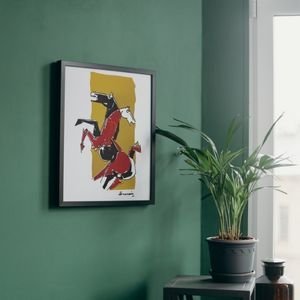 Dubai’s art history was built on craft and pattern long before it became a global gallery hub.
How The History Of Art History Applies Here
It helps to understand that art history itself has a history, and the Gulf region entered that story relatively recently. As a formal academic discipline, the history of art history traces back to the sixteenth-century Italian writer Giorgio Vasari and was later formalised by scholars like Johann Winckelmann, both of whom focused almost entirely on European painting and sculpture. For most of the twentieth century, the history of art history barely touched the Gulf, Indian subcontinent, or East Africa with the same academic rigour applied to Renaissance Italy, even though craft and painting traditions in these regions were centuries old.
That gap has only started closing in recent decades, as institutions like the Sharjah Art Foundation and Louvre Abu Dhabi have pushed to document and contextualise regional art history alongside the Western canon. Knowing this part of the history of art history explains why Dubai’s own artistic heritage can feel less documented than European movements, even though it is every bit as rich. It also means there is real value in seeking out pieces and artists who represent traditions that mainstream art history books have historically overlooked.
Which Trade Routes Brought Art Into Dubai
Dubai’s position on the Arabian Gulf made it a natural stop on trade routes connecting the Indian subcontinent, Persia, and East Africa long before oil was discovered. Indian merchants settled in Bur Dubai as early as the nineteenth century, and with them came textiles, spices, and visual traditions that blended into the city’s own developing art history. This is a large part of why Indian art, from Mughal miniature work to Bengal School painting, has such a natural home in Dubai interiors today. It is not an imported trend but a continuation of centuries of trade-driven cultural exchange that shaped the city’s art history from the start.
Persian influence arrived through similar trade links, contributing intricate tilework patterns, floral motifs, and manuscript-style illumination that still echo in Emirati design today. Understanding these routes reframes how you might choose art for a Dubai home. A Mughal-inspired painting or an Ajanta-style piece is not simply decoration borrowed from elsewhere, it is part of the same trading history that shaped Dubai itself. You can explore original works along these lines in The Brush Strokes Co.’s original paintings collection, many created by artists carrying forward exactly these centuries-old techniques.
How Emirati Modern Art History Began
The modern chapter of Dubai’s art history began in earnest during the 1980s, led by artists working in Sharjah and Dubai who wanted to build a contemporary practice distinct from both Western modernism and traditional calligraphic abstraction. Hassan Sharif, often called the father of conceptual art in the Gulf, founded the Al Marijah Art Atelier in Sharjah in 1984 and became a central figure in the Emirates Fine Arts Society, which gave emerging Emirati artists their first real platform for exhibiting process-based and assemblage work built from everyday market materials. Sharif also translated key twentieth-century art manifestos into Arabic, effectively building the critical vocabulary the region’s art history had been missing.
This period matters because it marks the moment Dubai’s art history stopped being purely craft-based and started engaging directly with global contemporary art movements, while still drawing on local materials and identity. The artists who came out of this era laid the groundwork for the gallery scene Dubai is known for today, proving that a genuinely regional art history could hold its own on an international stage.
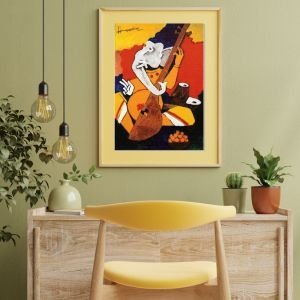 From Emirati conceptual art to Mughal miniature traditions, Dubai’s art history is genuinely cross-cultural.
Why Alserkal Avenue Changed Dubai Art History
By the early 2000s, Dubai’s art history entered its most visible chapter yet. A cluster of industrial warehouses in Al Quoz, originally built for light manufacturing, was gradually transformed into Alserkal Avenue, now widely regarded as the beating heart of the city’s contemporary art scene. Art Dubai, founded in 2007, gave the region its first major international art fair, drawing galleries and collectors from across the world and cementing Dubai’s place in the global art conversation. The opening of the Louvre Abu Dhabi in 2017, just a short drive away, added centuries of international art history under one roof, from Renaissance painting to contemporary installation, deepening residents’ everyday exposure to art history in all its forms.
According to Architectural Digest’s coverage of the region’s design evolution, Gulf interiors are increasingly blending international influences with heritage craftsmanship rather than choosing one over the other, a pattern that mirrors Dubai’s own art history almost exactly. This same instinct now shows up in how residents style their homes, favouring original paintings and museum-quality reproductions with genuine art historical grounding over generic prints.
How Dubai’s Art History Shows Up In Homes Today
Dubai’s layered art history, part Bedouin craft, part trade-era exchange, part Emirati conceptual movement, gives homeowners an unusually rich well to draw from when choosing wall art. A home that pairs a geometric Sadu-inspired textile with a Mughal miniature style painting and a piece of contemporary Emirati-influenced abstraction is not mixing unrelated styles, it is reflecting the same cultural layering that built the city itself. This is one of the more practical lessons Dubai’s own art history offers: eclectic can still be coherent when every piece shares a genuine historical thread back to the region.
One of the most useful lessons from this history is how to think about colour and composition with intention rather than trend. Mughal artists used deep jewel tones, burgundy, emerald, sapphire, and gold, deliberately, because these colours read as regal even in low light, a detail that still works beautifully under warm home lighting today. Emirati craft traditions leaned on earthy tones and geometric repetition, giving a room a grounded, textural warmth. This is where House Beautiful’s guidance on building a room around a single statement piece is worth borrowing, since Dubai’s own art history rewards exactly this kind of restraint. One well-chosen historical piece, given room to breathe, does more for a space than five mismatched prints ever could.
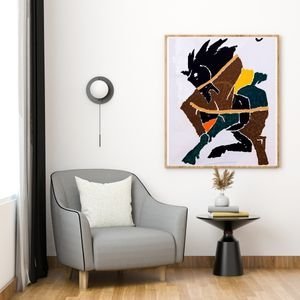 Layered art history looks effortless when every piece shares a genuine cultural thread.
Which Art Movements Complement Dubai Interiors
A handful of art history movements tied to Dubai’s own trade and cultural story show up again and again in contemporary interior design across the city.
Mughal miniature art brought intricate detailing, jewel tones, and gold leaf work into the wider trade network Dubai once sat within, and pieces inspired by this tradition still add unmistakable richness to formal living rooms and dining spaces. You can read more about the technique and symbolism in this guide to Mughal art painting.
Ajanta and Buddhist cave art from around the second century BCE introduced flowing figures, earthy pigments, and narrative storytelling on a monumental scale, an approach explored further in this piece on Ajanta paintings.
Bengal School realism, associated with artists like Raja Ravi Varma, merged European academic painting technique with Indian mythological subjects, producing some of the most recognisable images in the wider art history of the subcontinent that traded so closely with Dubai. His influence is detailed in this feature on why Raja Ravi Varma is still legendary.
Folk and tribal art traditions, including Warli painting from Maharashtra, rely on geometric simplicity and community storytelling rather than realism, echoing the same pattern-based visual language found in Emirati Sadu weaving, and bring a grounded, textural warmth that pairs beautifully with minimalist Dubai apartments.
Contemporary Indian painting continues this lineage today, with living artists reinterpreting historical themes through abstraction, mixed media, and bold colour, a movement worth exploring in this overview of contemporary Indian painting.
Where To Place These Pieces At Home
Placement matters as much as the piece itself. A large Mughal or Ajanta-inspired canvas suits an entryway or formal living room, where guests encounter it first and it sets the tone for the rest of the home. Smaller miniature-style pieces work well in a study or home office, close enough to appreciate the fine detailing this art history is known for. Folk art and Warli-style work suits casual spaces like a breakfast nook, a reading corner, or a children’s playroom, since the bold geometry holds up even when viewed at a distance.
In Dubai specifically, where floor-to-ceiling windows and open-plan living are common, art history pieces with strong colour saturation tend to perform best, since natural light can wash out subtler tones. Corridors and stairwells also offer an underused opportunity for a small gallery wall that walks visitors through different layers of this art history, from a folk art piece near the entrance to a more refined miniature-style work further along. For readers exploring interior styling more broadly, this guide on interior design ideas with wall paintings offers additional placement strategies that pair well with historically grounded art.
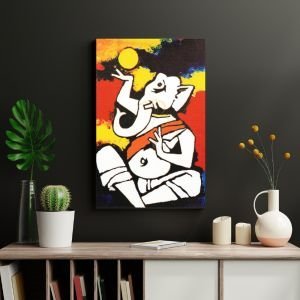 Minimalist Dubai interiors let a single art history piece take center stage.
Common Mistakes When Buying Historical Art
Even enthusiastic buyers make a few recurring mistakes when shopping for pieces connected to this art history. The first is assuming that “historical style” means mass-produced. Genuine art history informed work, whether an original painting or a carefully reproduced print, should still carry visible brushwork, texture, or hand-finishing that reflects the artisan’s skill. The second mistake is buying without considering scale. A miniature-style piece with fine detailing loses all its impact if hung too high or too far from where people sit or walk past regularly. The third is ignoring provenance and artist background entirely. Part of what makes this art history meaningful is knowing who made the piece and what tradition they are working within, information any reputable seller should be able to share with you.
A fourth common mistake is treating these pieces as purely decorative rather than considering their long-term care needs. Works with gold leaf, natural pigments, or delicate paper require different handling than a standard canvas print, a point covered further in the caring section below. A fifth mistake is chasing a movement rather than a feeling. Buyers sometimes decide they want “something Mughal” or “something Emirati” before ever standing in front of the actual piece, then feel underwhelmed once it arrives because the specific colours or composition do not suit the room. Let a movement guide your search, then let the individual piece make the final case for itself.
Which Materials Reveal Genuine Art History Craft
Material choice is one of the clearest signals of authenticity within this art history, and it is worth understanding before you buy. Traditional Mughal miniature work was painted with natural mineral pigments ground by hand, often bound with gum arabic, and finished with genuine gold leaf applied in thin layers, a process that gives the surface a subtle shimmer no printed reproduction can fully replicate. Ajanta-style murals relied on a fresco-like technique using lime plaster and earth pigments, producing the soft, matte texture that still defines cave art reproductions today. Emirati Sadu weaving and folk art traditions like Warli painting traditionally used natural fibres, rice paste, and a mud or dung base, a humble material palette that gives the finished work its distinctive rustic, tactile quality.
Modern artisans working within these traditions often adapt materials for durability while preserving the visual language of the original technique, using archival canvas, fade-resistant pigments, and hand-applied detailing rather than machine printing. When evaluating a piece, look closely at brush texture under raised light, ask whether gold detailing is genuine leaf or a metallic paint substitute, and check whether the canvas or paper feels substantial rather than thin. These small material details are exactly what separates a piece with real art history integrity from a decorative copy that merely borrows the look.
Caring For Art History Pieces In Dubai’s Climate
Preserving pieces connected to this art history does not require a conservator’s toolkit, but a few habits go a long way, especially in Dubai’s climate. Keep original paintings and detailed reproductions out of direct sunlight, which fades pigments over time regardless of how old or new the piece is. Dust gently with a soft, dry brush rather than a damp cloth, since moisture can damage both canvas and paper-based work. Maintain stable humidity where possible, since Dubai’s shift between air-conditioned indoor spaces and outdoor heat can stress natural materials like canvas, wood frames, and handmade paper over time.
Lighting deserves the same attention as wall placement. Warm, low-temperature LED spotlights angled at roughly thirty degrees bring out the texture and gold detailing in these pieces far better than the cool, overhead lighting common in many Dubai apartment fit-outs. A small picture light mounted directly above a Mughal-inspired or Ajanta-style piece can transform how the colours read after dark, echoing the way these works were originally meant to be seen under lamp or candlelight rather than flat daylight.
The Smithsonian’s guidance on caring for works of art at home remains one of the most trusted references for this kind of everyday preservation, recommending museum-grade UV-filtering glass for particularly valuable or sentimental pieces, along with periodic professional cleaning for older or higher-value works. Following even a few of these habits significantly extends the life of a piece, which matters most for art history informed work meant to be passed down rather than replaced every few years.
 A little care extends the life of any piece connected to Dubai’s layered art history.
Why This History Makes A Meaningful Gift
Gifting a piece connected to this art history carries a different weight than gifting a decorative object bought purely for looks. It signals that you have thought about the recipient’s taste, their home’s character, and often their own cultural roots, something particularly resonant in Dubai’s diverse, multicultural community, where a piece rooted in Indian, Persian, or Emirati art history can feel both personal and universally appreciated.
For couples setting up a first home together, a modestly sized original painting rooted in a specific art history tradition often becomes a lasting centerpiece rather than something replaced within a year. The Brush Strokes Co.’s gifting collection includes pieces suited to exactly this kind of milestone gifting, while the corporate art gifts collection offers options for businesses looking to send something with genuine cultural weight rather than a generic hamper. Corporate gifting in particular benefits from this approach. International offices based in Dubai, DIFC, and Jebel Ali often send gifts to partners across several countries, and a piece grounded in a recognisable art history tradition travels culturally in a way generic branded merchandise simply cannot. Buyers interested in works by recognised names within this history can also explore The Brush Strokes Co.’s featured Indian artists, whose work draws directly on many of the traditions discussed throughout this guide.
Bringing Dubai’s Art History Into Your Own Home
Understanding the art history of Dubai changes how you shop for your walls. It shifts the question from “what looks nice” to “what does this piece carry with it,” whether that is Bedouin textile pattern, centuries of Mughal courtly tradition brought in through trade, or the conceptual language Hassan Sharif and his generation built from scratch in the 1980s. Dubai’s art history is genuinely layered, part craft, part trade, part reinvention, and that layering is exactly what makes homes styled around it feel personal rather than generic.
Whether you are furnishing a first apartment, refreshing a family home, or choosing a meaningful gift, there is real value in seeking out pieces with genuine grounding in this art history rather than anonymous prints. Explore The Brush Strokes Co.’s full art collections to find a piece that reflects the era or tradition that speaks to you, or get in touch with the team for guidance on choosing and sizing a piece for your specific space.
Frequently Asked Questions About Art History
What is the art history of Dubai?
The art history of Dubai spans Bedouin craft traditions like Sadu weaving and calligraphy, centuries of trade-driven cultural exchange with India and Persia, the Emirati modern art movement of the 1980s led by artists like Hassan Sharif, and the global gallery scene built around Alserkal Avenue and Art Dubai.
What is the history of art history as a discipline?
The history of art history traces back to Giorgio Vasari’s sixteenth-century writings on Italian painters and was later formalised as an academic field by scholars like Johann Winckelmann. It only began seriously documenting Gulf and South Asian traditions in recent decades.
Who is considered a founder of modern Emirati art history?
Hassan Sharif is widely regarded as a founding figure of contemporary Emirati art, having established the Al Marijah Art Atelier in Sharjah in 1984 and helped build the region’s critical art vocabulary through his writing and conceptual practice.
When was Alserkal Avenue established?
Alserkal Avenue developed through the 2000s as industrial warehouses in Al Quoz were gradually converted into galleries, becoming one of the most significant developments in Dubai’s contemporary art history.
Why does Indian art history feel so at home in Dubai?
Indian merchants and traders settled in Dubai as early as the nineteenth century, bringing artistic traditions like Mughal miniature painting and Bengal School realism into the city’s own developing art history through centuries of exchange.
How do I care for an art history inspired painting in Dubai’s climate?
Keep the piece out of direct sunlight, dust it gently with a soft dry brush, maintain stable indoor humidity, use warm low-temperature lighting, and consider UV-filtering glass for particularly valuable or sentimental works.
Is it better to buy an original painting or a print for art history inspired décor?
Original paintings carry more texture, individuality, and long-term value, while high-quality prints offer an accessible way to bring an art history informed piece into a home on a smaller budget. Both can be meaningful when sourced from artists who genuinely understand the tradition they are working in.