
Contemporary Indian painting brings together India’s rich artistic heritage and the ideas, experiences and visual language of the present. From expressive abstract works to figurative paintings inspired by everyday life, today’s Indian artists use colour, texture, symbolism and experimentation to create art that feels both rooted in India and relevant to modern spaces.
For collectors, homeowners and first-time art buyers, contemporary Indian paintings offer enormous variety. Some artworks explore culture and identity, while others focus on nature, spirituality, cities, relationships or pure abstraction.
In this guide, we explore what contemporary Indian painting means, how it differs from modern Indian art, the styles worth knowing, important artists, and what to consider when choosing an original artwork for your home or collection.
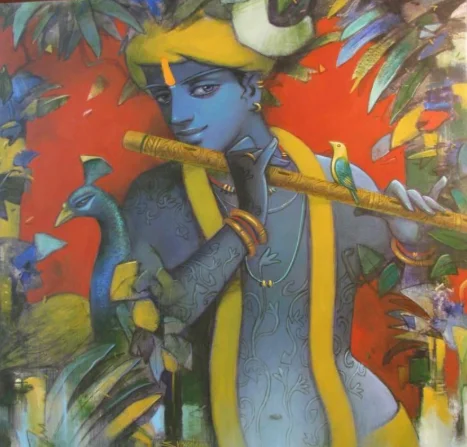
What Is Contemporary Indian Painting?
Contemporary Indian painting broadly refers to artworks created by Indian artists working in the later decades of the 20th century through the present day.
Unlike art associated with one fixed movement or technique, contemporary Indian art is highly diverse. Artists may work with oil, acrylic, watercolour, mixed media, texture, collage and other materials to communicate individual ideas and experiences.
The subject of a contemporary painting can be equally varied. An artist may explore urban life, nature, relationships, spirituality, memory, social change or simply the interaction of colour and form.
What makes the work contemporary is not just when it was painted, but how the artist responds to the world around them.
Modern Indian Art vs Contemporary Indian Art
Modern and contemporary Indian art are often used interchangeably, but they refer to different periods in India’s artistic development.
Modern Indian art emerged strongly during the late 19th and 20th centuries. Artists began moving away from purely academic and traditional styles and developed new ways of expressing Indian identity through art.
Artists such as Raja Ravi Varma played an important role in this transition, while later modern masters including M. F. Husain and S. H. Raza helped redefine Indian art through experimentation with form, colour and personal expression.
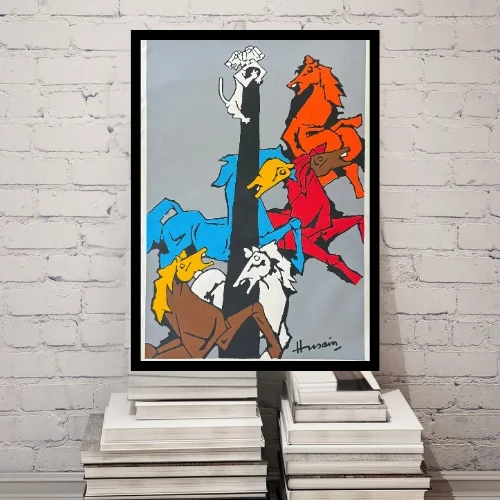
Contemporary Indian art developed from this foundation.
Today’s contemporary artists have far greater freedom in their subjects, materials and techniques. Their work may reference Indian traditions while also responding to global culture, changing lifestyles, technology, cities and personal experiences.
Modern Indian masters therefore remain important influences on contemporary Indian painting, even though the two periods should not be treated as exactly the same.
Popular Styles of Contemporary Indian Painting
One of the most exciting things about contemporary Indian painting is that there is no single visual style. Buyers can discover artworks ranging from highly detailed figurative compositions to minimal abstract canvases.
Abstract Contemporary Paintings
Abstract painting focuses on colour, shapes, lines, texture and movement rather than representing a subject realistically.
Some contemporary Indian abstract artists use vibrant colours and energetic brushwork, while others create calmer compositions based on geometric structures or subtle tonal variations.
Because abstract paintings do not depend on one obvious subject, they work particularly well in modern homes, offices and contemporary interiors.
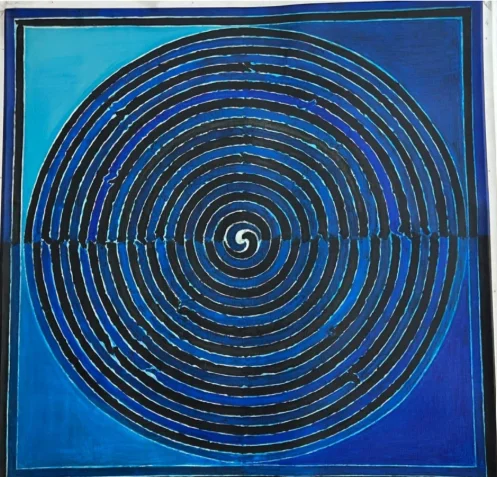
Figurative Contemporary Paintings
Figurative paintings retain recognisable human forms while allowing artists to experiment with proportion, colour, symbolism and composition.
The human figure may be realistic, simplified or highly stylised.
Many Indian artists use figurative painting to explore relationships, emotions, everyday life, traditions and personal stories.
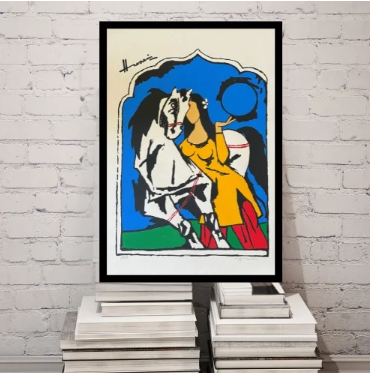
Contemporary Indian Cultural Art
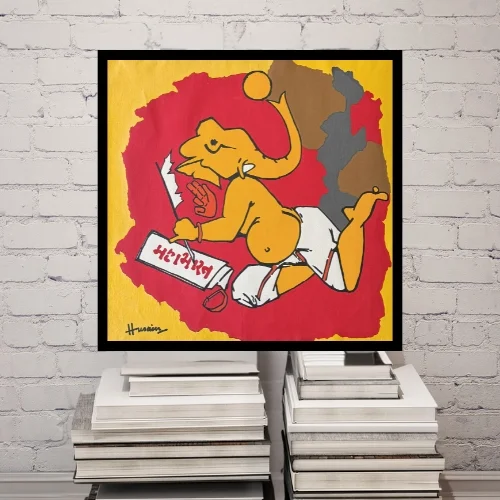
Traditional Indian symbols, architecture, festivals, clothing and cultural references continue to influence contemporary artists.
Rather than simply reproducing traditional art, contemporary painters often reinterpret these elements using new compositions, colours and techniques.
This combination of heritage and modern expression gives contemporary Indian painting its distinctive character.
Nature-Inspired Contemporary Art
Nature remains an important inspiration for Indian artists.
Trees, flowers, landscapes, birds and natural forms may be represented realistically or transformed into abstract compositions.
These artworks are especially popular for homes because they can introduce colour and a sense of calm without overwhelming the interior.
Mixed-Media Paintings
Contemporary artists are not limited to paint alone.
Mixed-media works may combine acrylic or oil paint with paper, fabric, texture, ink or other materials.
The result is often a highly layered surface that reveals much more when viewed in person than it does in a photograph.
Geometric and Minimal Art
Geometric contemporary art uses shapes, lines, repetition and carefully structured compositions.
These paintings can work especially well in modern and minimalist interiors where clean architecture and simple furniture are already part of the space.
Artists Who Shaped Indian Contemporary Art
Understanding contemporary Indian painting also means understanding the generations of artists who helped shape its development.
Atul Dodiya
Atul Dodiya is known for combining references from Indian history, popular culture, personal memory and art history.
His practice moves across painting and mixed media, creating works that frequently connect older Indian imagery with contemporary experiences.
Jitish Kallat
Jitish Kallat has developed a multidisciplinary practice spanning painting, photography, sculpture and installation.
Urban environments, history and everyday life frequently appear across his work, making him an important figure in discussions around contemporary Indian art.
Bharti Kher
Bharti Kher is known internationally for artworks exploring identity, culture, transformation and symbolism.
Her practice includes painting, sculpture and installation, often using familiar Indian visual elements in unexpected ways.
Subodh Gupta
Subodh Gupta is best known for transforming everyday Indian objects into large-scale artworks, although his broader practice extends across several mediums.
His work demonstrates how ordinary objects and experiences can become part of the language of contemporary Indian art.
Modern Masters Who Influenced Contemporary Indian Painting
Although artists such as M. F. Husain and S. H. Raza are primarily associated with modern Indian art, their influence continues across later generations.
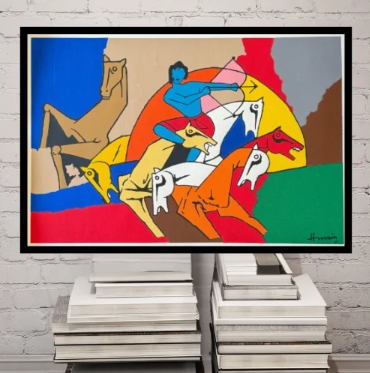
Husain’s bold figurative language and distinctive use of form helped establish a new visual identity for Indian modernism.
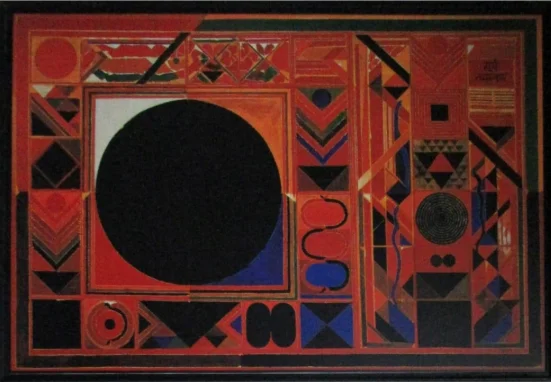
Raza developed a highly recognisable visual language centred around geometry, colour and the Bindu. His later work continued for decades, creating an important connection between the modern period and later Indian art.
Collectors interested in Indian art often explore both modern masters and contemporary artists because seeing the two together makes the evolution of Indian painting easier to understand.
Contemporary Artists at The Brushstrokes Company
Beyond internationally recognised names, India has a diverse community of practising artists creating original work for collectors, homes and commercial spaces.
At The Brushstrokes Company, art lovers can explore works by artists including Subrata Das, Subrata Paul, B. Prabha and several other Indian artists across different styles and mediums.
Exploring individual artist collections is useful because it allows you to understand how one artist develops recurring themes, colours, techniques and subjects across multiple artworks.
Rather than selecting a painting only because it matches a room, consider looking at the artist behind the work as well. Knowing more about the creator often builds a stronger connection with the artwork.
How to Choose a Contemporary Indian Painting for Your Home
Buying art becomes much easier when you begin with the space where the painting will be displayed.
Think about the size of the wall, furniture placement, natural light and colours already present in the room.
A large contemporary painting can create a strong focal point in a living room, while smaller pieces may work better in bedrooms, studies, entryways or gallery-style arrangements.
Your painting does not have to perfectly match the room.
In many interiors, art works best when it introduces contrast. A colourful abstract painting can bring energy into a neutral space, while a quieter composition can balance an interior that already contains bold patterns and textures.
Most importantly, choose an artwork you enjoy looking at.
Interior trends change. A genuine connection with a painting usually lasts much longer.
Choosing the Right Painting Size
Scale has a major impact on how a painting looks once it is installed.
A small artwork placed above a large sofa can appear lost, while an oversized painting on a narrow wall may dominate the room.
For larger walls, consider one substantial artwork or a carefully arranged group of smaller paintings.
Always measure the available wall space before buying.
If furniture sits beneath the artwork, use the width of the furniture as a visual reference rather than judging the painting in isolation.
Original Painting vs Serigraph vs Art Print
Understanding what you are buying is an important part of collecting art.
An original painting is a unique work created directly by the artist. Depending on the medium, you may be able to see brushstrokes, layers, texture and variations across the surface.
A serigraph is different.
Serigraphy is a printmaking technique through which an artwork is reproduced in carefully prepared colour layers. Limited-edition serigraphs by recognised artists can offer collectors access to important artistic works at a different price point from an original painting.
A standard digital art print is generally produced through commercial printing rather than traditional printmaking.
None of these categories needs to be considered automatically better or worse for every buyer. What matters is knowing exactly what you are purchasing and choosing according to your purpose, budget and interest in collecting.
What Determines the Price of Contemporary Indian Paintings?
There is no single price range that accurately represents contemporary Indian painting.
Prices depend on several factors, including the artist’s reputation, career stage, medium, dimensions, exhibition history, provenance and whether the work is an original or editioned piece.
Artwork by an emerging artist may be considerably more accessible than work by an established artist with decades of exhibitions and collector recognition.
Larger paintings may also command higher prices because of the materials and time involved, although size alone does not determine artistic value.
Instead of choosing only by price, understand the artist and artwork first.
How to Check Whether a Painting Is Authentic
Authenticity becomes increasingly important as the value of an artwork increases.
A reputable seller should clearly identify the artist and explain whether the work is an original painting, limited-edition serigraph or another type of artwork.
For original paintings and collectible editions, buyers should ask about documentation such as a certificate of authenticity, artist signature, edition details or gallery invoice where applicable.
The artwork itself can also reveal important information.
Original paintings often show visible differences in paint thickness, brush pressure and texture when viewed closely.
Before purchasing, never hesitate to ask exactly what type of artwork you are buying.
Contemporary Indian Paintings for Living Rooms
The living room is often the best place to display a statement artwork.
Large abstract or figurative paintings can immediately draw attention above a sofa, console or other central piece of furniture.
Because living rooms are shared spaces, choose something that continues to interest you rather than artwork selected only to match cushions, curtains or temporary décor.
A carefully chosen painting can become one of the most memorable elements in the room.
Contemporary Art for Bedrooms and Study Spaces
Bedrooms usually benefit from paintings that feel visually balanced and calm.
Nature-inspired compositions, subtle abstracts and softer colour palettes often work particularly well.
For study areas and home offices, geometric compositions and structured abstract artworks can create visual interest without making the workspace feel too busy.
The right artwork should support the mood you want the room to create.
Contemporary Paintings for Offices and Commercial Spaces
Contemporary Indian paintings are increasingly used in offices, hotels, reception areas and other professional environments.
Original art can make a space feel more considered and distinctive compared with generic decorative prints.
Businesses may choose artwork based on their interiors, company values or the impression they want visitors to experience.
Contemporary art can also be considered for corporate gifting, especially when the recipient has a genuine interest in art or interiors.
How to Light and Protect Your Painting
Even a beautiful painting can lose its impact when placed in poor lighting.
Soft, focused lighting can reveal colour, texture and brushwork without creating harsh reflections.
Avoid placing valuable original paintings in continuous direct sunlight, since prolonged exposure can affect certain pigments and materials over time.
Works on paper may require suitable framing and protective glazing, while many paintings on canvas can be displayed with minimal framing depending on their style.
When in doubt, ask the gallery or seller for care recommendations specific to the artwork.
Common Mistakes When Buying Contemporary Art
One common mistake is buying a painting based entirely on room colour.
Your furniture or décor may change in a few years, but the artwork may remain with you for decades.
Another mistake is assuming that every image printed on canvas is an original painting. Always confirm the medium and whether the work has been created by hand.
Buyers should also avoid choosing art purely because they expect its financial value to increase.
Some artworks appreciate over time while many do not. Art should first be something you genuinely value owning and seeing.
Finally, never ignore scale. Measure your space before making the purchase.
Is Contemporary Indian Art Worth Collecting?
Contemporary Indian art offers collectors the opportunity to engage directly with artists and ideas that belong to the present.
For some buyers, collecting is about supporting artists. For others, it is about creating a meaningful home or gradually building a collection around a particular style.
Some collectors are interested in potential long-term value, but appreciation should never be treated as guaranteed.
A stronger starting point is to choose work that you genuinely enjoy and then learn more about the artist behind it.
Over time, that process can naturally develop into a more focused collection.
Buying Contemporary Indian Paintings Online
Buying art online has made discovering Indian artists much easier.
Before purchasing, look carefully at the artwork dimensions, medium, orientation and artist information.
If possible, view close-up images that reveal the texture and details of the work.
Also confirm whether framing is included and whether the artwork is sold as an original painting, serigraph or print.
A trustworthy art platform should make these details clear and provide enough information for you to make an informed decision.
At The Brushstrokes Company, collectors can explore original paintings, serigraphs and works by Indian artists across different styles and themes.
Frequently Asked Questions
What is contemporary Indian painting?
Contemporary Indian painting refers broadly to artworks created by Indian artists from the later decades of the 20th century through the present. These paintings may explore modern life, identity, culture, nature, spirituality, abstraction and many other subjects using traditional or experimental techniques.
What is the difference between modern and contemporary Indian art?
Modern Indian art is generally associated with earlier generations and movements that transformed Indian painting during the late 19th and 20th centuries. Contemporary Indian art developed later and reflects the ideas, experiences and artistic practices of more recent generations.
Who are some well-known contemporary Indian artists?
Artists frequently associated with contemporary Indian art include Atul Dodiya, Jitish Kallat, Bharti Kher and Subodh Gupta. Modern masters such as M. F. Husain and S. H. Raza also had an important influence on subsequent generations of Indian artists.
What styles are common in contemporary Indian paintings?
Contemporary Indian paintings can include abstract, figurative, geometric, mixed-media, cultural, nature-inspired and conceptual styles. There is no single style that defines contemporary Indian painting.
Are contemporary Indian paintings suitable for modern homes?
Yes. Contemporary paintings can work particularly well in modern interiors because of their variety of colours, compositions and sizes. The right artwork depends more on the space and the buyer’s personal taste than on any single interior style.
How much does a contemporary Indian painting cost?
Prices vary considerably according to the artist, medium, dimensions, career stage, provenance and whether the piece is an original painting or editioned artwork. Buyers can find works at very different price levels.
How can I tell whether a painting is original?
Confirm the artist, medium and artwork details with the seller. For collectible works, ask for relevant documentation such as a certificate of authenticity, invoice, signature or edition information where applicable.
Can I buy contemporary Indian paintings online?
Yes. Buying art online allows collectors to explore artists and styles from different locations. Check the dimensions, medium, artist information, authenticity details and shipping conditions before purchasing.
Is contemporary Indian art a good investment?
Some artworks may increase in value, but appreciation cannot be guaranteed. The artist’s career, provenance, exhibition history and collector demand can all influence resale value. It is generally better to buy artwork you genuinely enjoy rather than purchasing solely for expected financial returns.
Where can I find original Indian paintings?
Original Indian paintings can be purchased through galleries, exhibitions, artist studios and established online art platforms. The Brushstrokes Company offers a curated selection of paintings and artworks by Indian artists.
Explore Contemporary Indian Painting
Contemporary Indian painting is constantly evolving.
It reflects changing cities, traditions, personal experiences and artistic ideas while remaining connected to India’s wider visual culture.
Whether you are buying your first artwork or adding another piece to an existing collection, take time to explore different artists and styles before making your choice.
Look beyond what simply matches your wall.
Pay attention to the artwork that makes you stop, look again and want to know more about the artist behind it.
Explore original paintings, serigraphs and Indian artists at The Brushstrokes Company to find artwork that feels right for your space and collection.