
The name Jamini Roy comes up again and again in any real conversation about modern Indian art, and for good reason. Few painters walked away from a comfortable, well trained career the way he did, trading European realism for the bold, flat lines of Bengal’s own folk tradition. That decision, made almost a century ago, still shapes how Indian art looks and sells today.
This guide walks through who Jamini Roy was, how his style came together, the works that made him famous, and what to know before buying a Jamini Roy painting or looking for a Jamini Roy gallery near you. Along the way, you will see how his ideas about simplicity and honesty in art still influence the folk inspired pieces filling Indian homes right now.
The Early Life Of Jamini Roy
Jamini Roy was born on April 11, 1887, in the village of Beliatore in Bengal, into a family with no particular art world connections. At sixteen, he enrolled at the Government School of Art in Calcutta, the same institution that trained many of the era’s leading Indian painters, and studied under the shadow of artists like Abanindranath Tagore.
His early training was thoroughly European. Jamini Roy learned academic realism, life drawing, and oil painting techniques imported directly from British art schools, and he graduated with a fine art diploma in 1908. For more than a decade afterward, Jamini Roy earned his living the conventional way, painting commissioned portraits and landscapes in a polished, Western classical style for patrons who wanted exactly that.
Nothing about those early years suggested the painter Jamini Roy would eventually become. That shift did not happen overnight, and understanding it says as much about Bengal in the 1920s as it does about the man himself.
How Jamini Roy Found His Style
By the early 1920s, Jamini Roy had grown restless with portrait commissions and the Western academic style that shaped them. India’s nationalist movement was gathering strength during these same years, and a broader push was underway across Bengal to root Indian art in Indian tradition rather than colonial technique.
Jamini Roy responded by walking away from realism almost entirely. He turned to the Kalighat pat, the quick, boldly outlined scroll paintings sold for generations outside Kolkata’s Kalighat temple to pilgrims and visitors, and to the wider folk and tribal art of rural Bengal. His first real experiments came between 1921 and 1924, when Jamini Roy began painting Santhal dancers and drummers, drawing on the visual language of the Santhal tribal community rather than anything he had learned in art school.
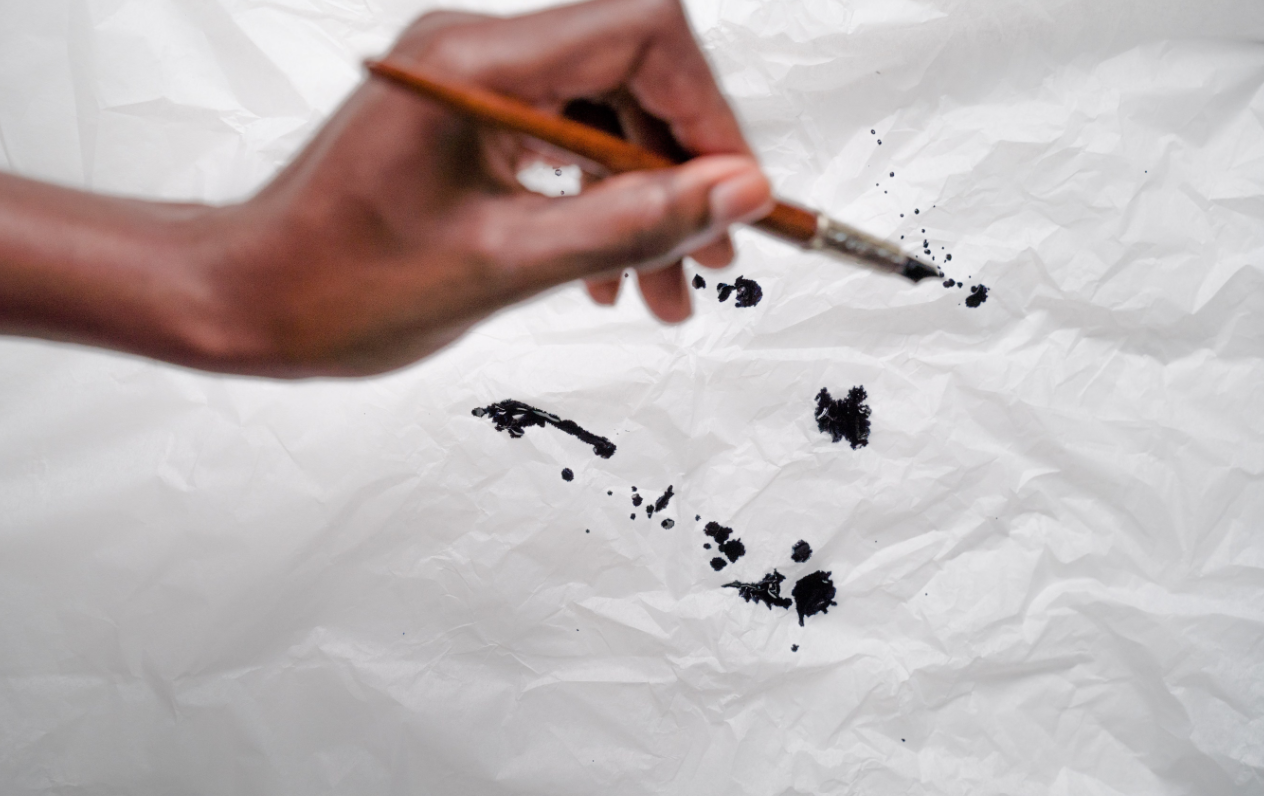 Jamini Roy built his mature style around exactly this kind of confident, unhesitating brushwork, using flat color and thick black outline instead of shaded realism. Photo by Ron Lach, Pexels.
What emerged from this shift became instantly recognizable. A Jamini Roy painting from this period onward uses simple, almost geometric shapes, flat perspective with no attempt at Western depth, thick black outlines around every figure, and a limited but vivid palette built mostly from earth tones, white, and deep reds. It looked nothing like the portraits that had paid his bills a decade earlier, and that was entirely the point.
Jamini Roy And Kalighat Painting
Kalighat painting sits at the center of everything Jamini Roy did after his break from academic art, so it is worth understanding on its own terms. Kalighat pats were fast, inexpensive paintings, made by patua artist families and sold to pilgrims visiting Kolkata’s Kali temple through the nineteenth and early twentieth centuries. Speed and clarity mattered more than fine detail, since a patua often painted dozens of pieces in a single sitting.
Jamini Roy admired that discipline. Rather than treating Kalighat painting as a lesser, purely commercial craft, he studied its economy of line and its confidence, then rebuilt his own practice around the same principles. A Jamini Roy kalighat painting from his mature period keeps that same directness, a single continuous line defining a figure’s edge, with almost no wasted marks anywhere on the surface.
This is also where Jamini Roy’s often quoted preference comes from. He asked to be called a patua rather than an artist, identifying himself with the same scroll painting tradition and artisan community he had drawn from, not above it. For a reader curious about how this fits into India’s wider regional painting traditions, our Indian folk artwork guide covers several of the traditions, Kalighat included, that shaped artists working in Bengal during this period.
Materials Behind Every Jamini Roy Painting
Part of what makes Jamini Roy paintings so distinct comes down to materials most trained painters of his generation would never have touched. He worked mainly in tempera, made from natural pigments, applied to paper, cloth, and even woven mats rather than stretched canvas, keeping his work closer to the folk objects that inspired it.
His use of black is the detail collectors and museums return to most often. According to the Victoria and Albert Museum’s own catalogue notes on one of his Santhal figure paintings from the early 1940s, Jamini Roy obtained his signature lamp black pigment by scraping soot from the bottom of a kettle, then mixed it with ink to produce the bold, saturated strokes that define his outlines. The V&A’s collection entry documents this piece in detail, down to the artist’s own Bengali signature on the work.
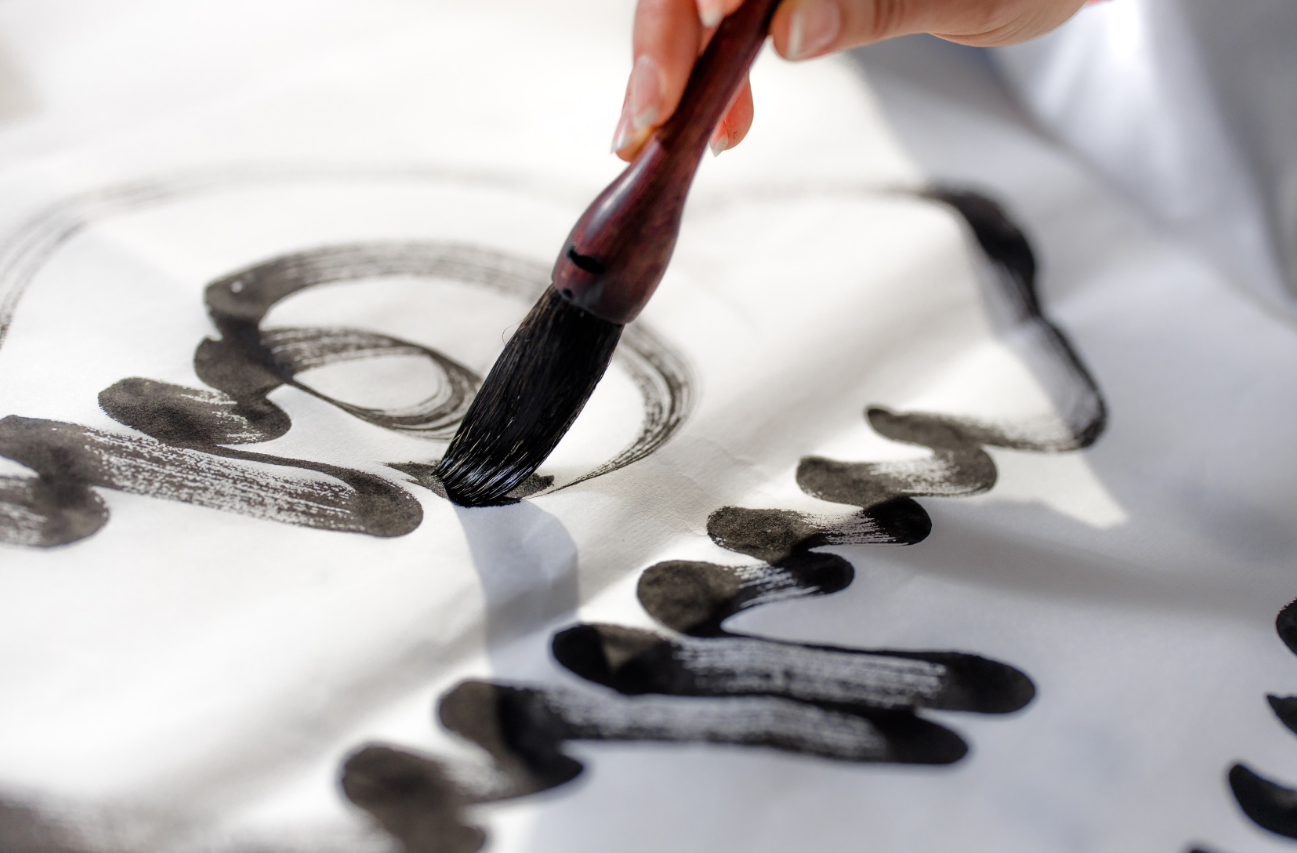 A single confident stroke, not layered shading, is what carries the weight in a Jamini Roy painting. Photo by cottonbro studio, Pexels.
Working with natural, homemade materials was not incidental. Jamini Roy believed art belonged to ordinary people, not only to those who could afford imported oil paint and canvas, and his material choices kept his work priced within reach of a much wider public than the portrait commissions of his early career ever had.
Famous Jamini Roy Paintings Explained
A handful of works come up constantly in any serious look at Jamini Roy paintings, and each shows a different side of his range.
His Santhal series remains among his most reproduced work, showing tribal women, drummers, and archers rendered in his signature flat, bold style. Three Pujarins, depicting women engaged in worship, is another frequently cited piece, prized for how much emotion Jamini Roy captured using almost no facial detail at all.
In 1946, Jamini Roy completed a set of 17 interconnected paintings retelling the Ramayana, a body of work still widely reproduced and studied today. Around the same period, in the 1940s, he also produced a striking Christ series, incorporating crucifixion scenes and mother and child imagery that blended his folk technique with Christian subject matter, a choice that reflected both his own education and India’s long Christian presence.
Jamini Roy also painted well known portraits of Mahatma Gandhi and Rabindranath Tagore, proving his flattened, folk derived style could carry recognizable, individual likeness just as well as it carried mythological and devotional subjects.
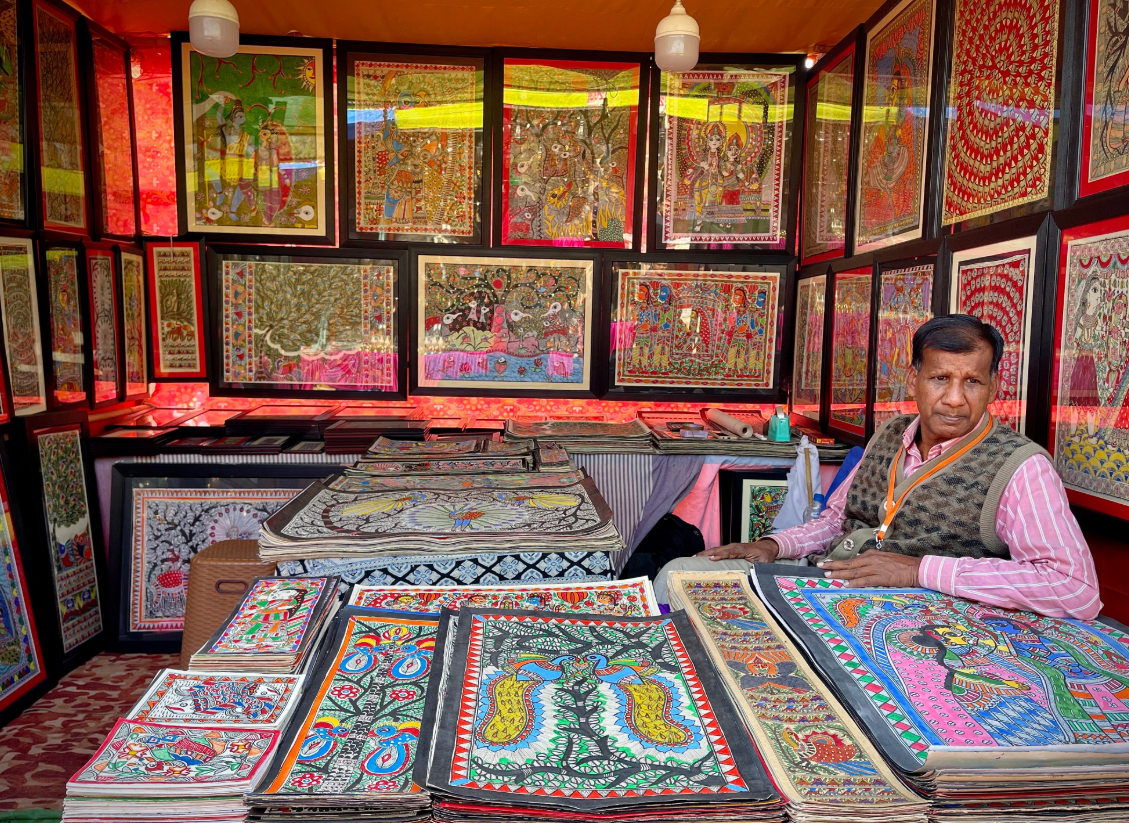 The patua tradition Jamini Roy drew from was built around exactly this kind of direct, unpretentious sale of art to ordinary buyers. Photo by nishantaneja, Pexels.
Why Jamini Roy Called Himself Patua
Most artists of Jamini Roy’s stature spent their careers trying to distance themselves from craft traditions, positioning their work as fine art rather than folk practice. Jamini Roy did the opposite, and it is one of the more radical parts of his legacy.
By calling himself a patua, the same term used for the scroll painters who sold work outside temple gates, Jamini Roy rejected the hierarchy that placed academy trained oil painters above rural artisans. He wanted his work sold at prices ordinary Bengali households could afford, not held exclusively for wealthy collectors, and for years he priced pieces accordingly even as his reputation grew.
That stance also shaped how Jamini Roy approached exhibitions. His first solo exhibition took place in Kolkata in 1938, followed by shows at London’s Burlington Gallery in 1946 and in New York in 1953, both of which brought international recognition and international sales. Even with that global attention, Jamini Roy never fully abandoned the patua identity that had defined his mature career from the start.
Jamini Roy Paintings In Museums Today
Jamini Roy’s standing in Indian art history is now formally recognized at the highest level. He received the Viceroy’s gold medal in 1935 and the Padma Bhushan in 1954, and in 1976, four years after his death, the Government of India declared his entire body of work a national art treasure.
That declaration matters practically, not just symbolically. National treasure status restricts the export of Jamini Roy paintings from India, which is part of why most of his major works now sit permanently in institutions like the National Gallery of Modern Art in New Delhi. The Google Arts and Culture feature on Jamini Roy’s place in the NGMA collection is worth a look if you want to see how his work is presented in that setting today. Beyond India, his paintings are also held internationally, including at London’s Victoria and Albert Museum, a reminder of how far his reputation traveled during his own lifetime.
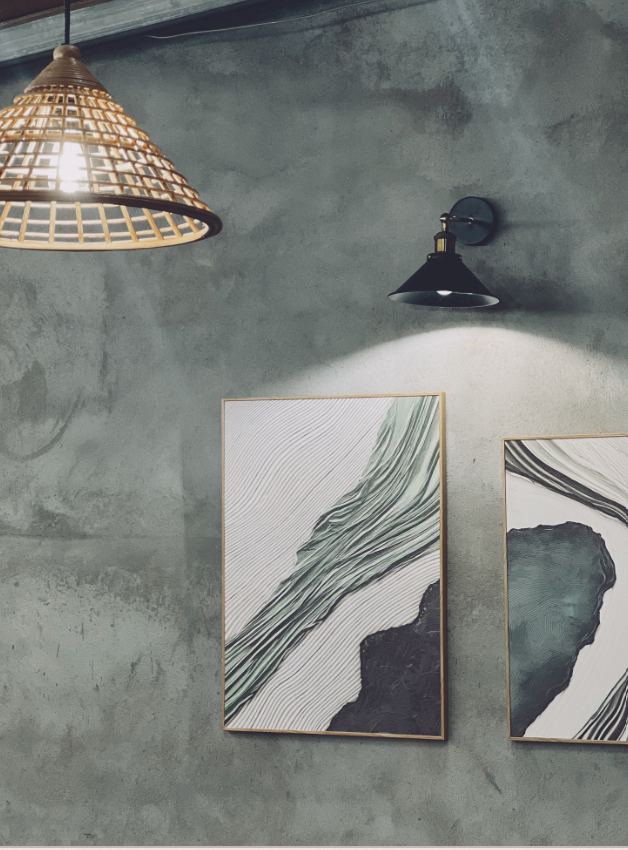
Museums and galleries around the world now display Jamini Roy paintings as a defining chapter of Indian modernism. Photo by Thông Nguyễn, Pexels.
For anyone building a broader picture of this era, the National Gallery of Modern Art’s own history is useful background, since it was established specifically to house work by artists like Jamini Roy alongside contemporaries such as Raja Ravi Varma and Amrita Sher-Gil.
Finding A Jamini Roy Gallery Today
Because his original paintings are protected as national treasures, buying an authentic, original Jamini Roy painting on the open market is genuinely rare, and any seller offering one should be able to produce clear provenance and documentation before a sale goes anywhere near serious money. Most collectors encounter his work through museum visits, licensed reproductions, or estate sales handled by established auction houses with a verified history for the piece.
What a typical Jamini Roy gallery visit or search actually turns up more often is Kalighat inspired and folk revival work created in his tradition, honest reproductions, and pieces by contemporary artists working in a visibly Roy influenced style. There is nothing wrong with buying this kind of work, provided it is sold honestly as tribute or inspired art rather than passed off as an original.
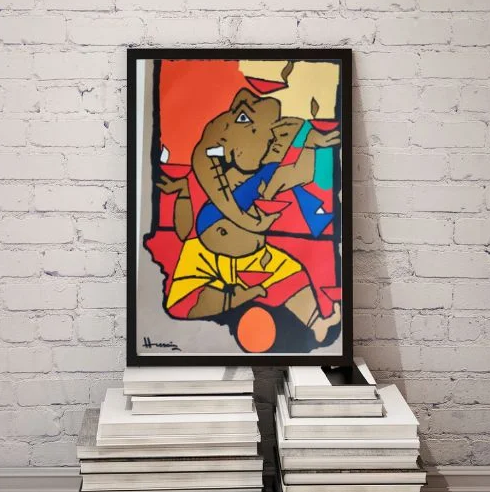
Folk art rendered by hand in the same natural pigment tradition Jamini Roy drew from, the kind of texture worth checking for in person before buying. From The Brushstrokes Co collection.
At The Brushstrokes Co, our original paintings collection features work from artists carrying that same folk and Kalighat sensibility forward, and our Indian Artists directory is worth browsing if you want to compare styles and artist backgrounds before committing to a piece for your home.
How To Style His Art At Home
A Jamini Roy inspired painting brings something most decorative wall art cannot, real graphic confidence, built from flat color blocks and heavy black outline rather than busy detail. That quality makes it a strong match for modern, minimal interiors, where a single bold piece can anchor a room without competing with a lot of surrounding pattern.
A living room or entryway wall with a light, neutral background tends to suit this style particularly well, letting the black outlines and limited color palette read clearly from across the room. Because the palette is usually restrained, earth tones, white, deep red, and black, a Jamini Roy style piece also pairs comfortably with wood furniture, woven textiles, and other handcrafted decor rather than clashing with them.
Smaller works, like a single Santhal figure or a portrait study, suit a reading nook or hallway gallery wall, while a larger Ramayana panel style piece can carry a formal dining room or study on its own. Either way, natural or warm white lighting brings out the texture of hand applied pigment far better than cool overhead light, which tends to flatten the visual impact this style depends on.
Common Mistakes Buying His Art
Assuming any painting labeled Jamini Roy on a marketplace listing is an original is the single costliest mistake a new buyer can make, given how tightly his authentic body of work is documented and restricted. Always ask directly whether a piece is being sold as an original, a licensed print, or an artist inspired reproduction, and expect a straight answer.
Buying purely because the name is famous, without checking whether the bold, flat style actually suits the room, is another common trap, since this is a style that reads strongly in a space and does not blend quietly into the background. Ignoring provenance documentation on anything marketed as vintage or original is a third mistake worth avoiding, since a genuine seller will always be able to explain a piece’s history without hesitation.
Finally, treating every Bengal folk style as interchangeable with Jamini Roy’s specific approach is a subtler error. Kalighat pat, Patachitra scroll work, and Jamini Roy’s own mature style share roots but look and function differently on a wall, so it pays to know which one you are actually buying.
Frequently Asked Questions
Who was Jamini Roy the painter?
Jamini Roy was a Bengali artist, born in 1887, who trained in European academic realism before deliberately rejecting it in the 1920s to build a new style rooted in Kalighat folk painting, becoming one of India’s most influential modern artists.
What makes a Jamini Roy painting recognizable?
A Jamini Roy painting uses flat color, thick black outlines, simplified geometric shapes, and a limited earthy palette, applied in tempera on paper, cloth, or mats rather than oil on canvas.
Why is he associated with Kalighat painting?
Jamini Roy drew heavily on the Kalighat pat tradition, the quick scroll paintings sold outside Kolkata’s Kali temple, adopting its bold outlines and economical brushwork as the foundation of his own mature style.
Can I buy an original Jamini Roy painting?
It is genuinely rare, since his complete body of work was declared a national art treasure in India in 1976, which restricts export and keeps most originals inside major museum collections such as the National Gallery of Modern Art.
Where can I see his paintings in person?
The National Gallery of Modern Art in New Delhi holds a significant collection, and international institutions including London’s Victoria and Albert Museum also display his work.
Why did he call himself a patua instead of an artist?
He wanted to be identified with the scroll painting artisan community that inspired his style, rejecting the idea that academy trained painters stood above folk craftspeople, and priced his work so ordinary buyers could afford it.
Bringing This Style Into Your Home
Jamini Roy spent a career proving that bold, honest, folk rooted art belonged in Indian homes just as much as anything imported from Europe. That idea still holds up. Whether you are drawn to his Santhal figures, his devotional work, or simply the confidence of a single unbroken black line, there is a real tradition here worth understanding before you buy.
If this style speaks to you, browse The Brushstrokes Co’s original paintings collection for work carrying a similar folk and Kalighat spirit, explore how other famous Indian painters and their masterpieces shaped this same era, or read about Raja Ravi Varma, whose realism he trained in before turning away from it entirely.