
Wall paintings can completely change the way a room looks and feels. The right artwork adds colour, personality, texture and a clear focal point while helping the entire interior feel more complete.
But choosing artwork is not only about finding a painting you like. Size, wall colour, room type, lighting, frame style and placement all influence how the artwork will look in your space.
In this guide, we explain how to choose the right wall paintings for interior design, including living rooms, bedrooms, dining areas, home offices and modern Indian homes.
Why Wall Paintings Matter in Interior Design
Artwork can connect different elements of a room by bringing together colours, textures and visual themes.
A carefully chosen painting can make an empty wall feel intentional, create a strong focal point and add character without requiring major changes to furniture or décor.
Wall paintings are also useful because they can adapt to different interior styles. Traditional Indian paintings can complement heritage-inspired homes, while abstract and contemporary artwork can work naturally in modern interiors.
The goal is not to simply fill a blank wall. The artwork should feel connected to the room around it.
Best Types of Wall Paintings for Interiors
Different styles of paintings create different visual effects. Choosing the right one depends on your interior style and the mood you want to create.
Abstract Paintings
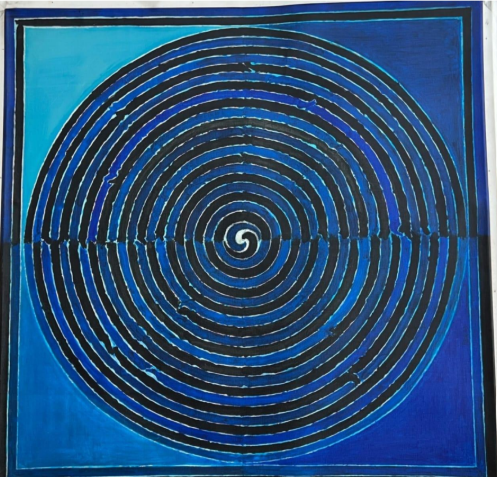
Abstract paintings are a popular choice for modern interiors because they add colour and movement without depending on a specific subject.
They can work especially well in living rooms, offices and large feature walls.
If your room already has several colours, choose an abstract painting that repeats one or two shades from the existing décor.
Contemporary Paintings
Contemporary paintings are ideal for modern homes because they can combine bold colours, simplified forms and modern artistic styles.
They work well with clean furniture, neutral walls and minimalist interiors.
A large contemporary painting can also become the main focal point in a simple living room.
Landscape Paintings
Landscape paintings bring natural elements into a room and can create a calm visual atmosphere.
They work particularly well in bedrooms, living rooms and reading areas.
Choose the colour palette according to the room. Soft greens, blues and neutral landscapes usually blend easily with understated interiors.
Figurative Paintings
Figurative paintings feature people, expressions or human forms.
These artworks can add personality and storytelling to a room, making them suitable for living rooms, hallways and study spaces.
The key is to select a painting whose composition and colours fit naturally with the surrounding décor.
Traditional Indian Paintings
Traditional Indian art can add cultural depth and character to interiors.
Styles such as Madhubani, Warli and other regional Indian art forms can work beautifully in both traditional and contemporary homes.
They are particularly effective when the rest of the décor includes wooden furniture, earthy colours or Indian textiles.

Spiritual Paintings
Spiritual and devotional artwork can be used in pooja rooms, meditation areas or peaceful corners of the home.
The artwork should be placed thoughtfully and given enough visual space around it.
Minimalist Paintings
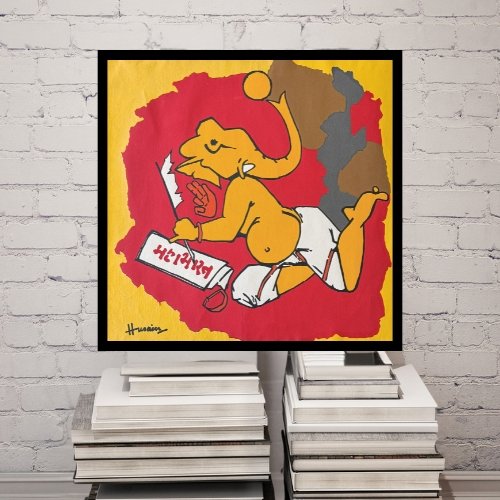
Minimalist paintings use simpler forms, softer palettes and less visual detail.
They are well suited to contemporary apartments, neutral interiors and rooms where you want the artwork to complement the décor rather than dominate it.
Wall Paintings for Living Room Interiors
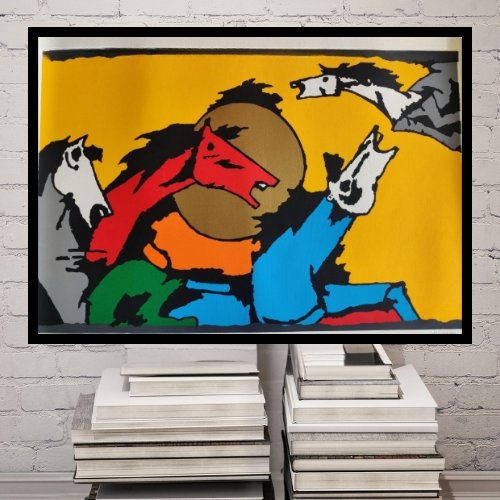
The living room is one of the best places to display statement artwork because it usually offers larger walls and better viewing distance.
A large painting above a sofa can create a strong focal point.
For wide walls, horizontal artwork often works better, while vertical paintings can be useful on narrow walls or between windows.
If your furniture and décor are already visually busy, choose artwork with a more controlled palette.
If the room is minimal, a bold painting can introduce contrast and energy.
Wall Paintings for Bedroom Interiors
Bedroom artwork should support the overall atmosphere of the room.
People looking for a calmer bedroom often prefer landscapes, subtle abstracts or artwork with softer colour combinations.
A painting above the headboard is a popular placement, but make sure the artwork is proportionate to the bed.
Avoid choosing a piece that is too small for the available wall space.
For compact bedrooms, one medium-sized artwork often looks cleaner than several small pieces.

Wall Paintings for Dining Rooms
Dining rooms can benefit from warm and inviting artwork.
Still-life paintings, traditional Indian artwork, botanical compositions and contemporary paintings can all work well depending on your interior style.
If the dining table is large, choose artwork with enough visual scale so that it does not look lost on the wall.
Warm colours can complement wooden furniture and create a more welcoming atmosphere.
Wall Paintings for Home Offices
Artwork in a home office should add personality without becoming distracting.
Abstract art, architectural compositions, minimal landscapes and contemporary paintings can work especially well in professional spaces.
One strong artwork behind the desk or on the main side wall can make the workspace feel more complete.
For video-call backgrounds, choose artwork that is visually clear and not overly detailed.
Wall Paintings for Kitchen and Dining Corners
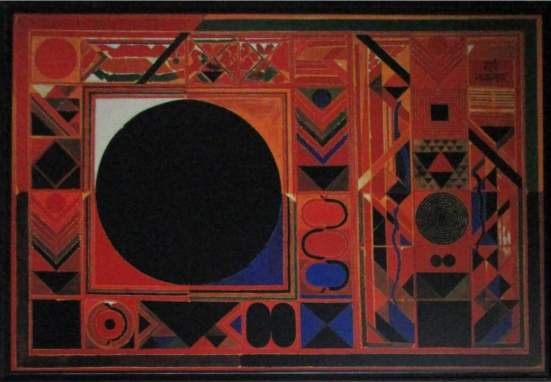
Kitchen and breakfast areas usually benefit from smaller artwork because wall space is limited.
Botanical paintings, food-inspired artwork, simple abstracts and compact traditional art pieces can work well here.
Avoid placing original paintings too close to cooking areas where heat, moisture or grease may affect the surface.
How to Match Paintings With Interior Colours
Wall colour plays a major role in how a painting appears.
White or Cream Walls
White and cream walls provide flexibility and can support almost any artwork style.
Bold paintings create contrast, while soft artwork keeps the room calm and understated.
Grey Walls
Grey interiors pair well with monochrome artwork, strong accent colours and contemporary compositions.
Gold, blue, rust and green tones can add warmth to a grey room.
Beige Interiors
Beige interiors work well with earthy paintings, Indian art, landscapes and warm abstracts.
Brown, terracotta, green and muted red tones usually complement beige naturally.
Dark Accent Walls
Dark walls can make lighter artwork stand out dramatically.
Paintings with white, gold, cream or vibrant colours often create stronger contrast on navy, charcoal or deep green walls.
Colourful Interiors
If the room already contains several colours, choose artwork that repeats one or two existing shades rather than introducing too many additional colours.
This helps the painting feel connected to the rest of the space.
Matching Paintings With Interior Design Styles
Different interior styles benefit from different types of artwork.
Modern interiors often work well with abstract, minimalist and contemporary paintings.
Traditional interiors can support Indian folk art, spiritual paintings and detailed figurative artwork.
Bohemian interiors can accommodate colourful and expressive artwork, while Scandinavian-style homes usually pair better with simpler compositions and neutral palettes.
The goal is not to match everything exactly. A small amount of contrast can make the artwork more interesting.
What Size Wall Painting Should You Choose?
Size is one of the most important factors when selecting artwork.
A common approach is to choose artwork that occupies around 60% to 75% of the width of the furniture below it.
For example, a painting above a sofa should usually be wide enough to feel visually connected to the sofa rather than appearing isolated.
For large blank walls, one oversized painting or a coordinated group of artworks can work well.
For narrow walls, vertical artwork is often a better choice.
Simple Size Guide
| Placement | Suggested Approach |
|---|---|
| Above sofa | Around 60–75% of sofa width |
| Above bed | Proportionate to headboard width |
| Narrow wall | Vertical painting |
| Wide empty wall | Large horizontal painting |
| Hallway | Small or medium artwork grouping |
| Feature wall | Oversized statement artwork |
Before buying, mark the approximate size on your wall using removable tape. This helps you understand the scale before placing an order.
One Large Painting or a Gallery Wall?
Both options can work well, but they create very different visual effects.
One large painting creates a cleaner and stronger focal point.
A gallery wall adds variety and works well when you want to display several smaller artworks together.
For minimalist interiors, one large artwork is often easier to style.
For eclectic or personal spaces, a gallery wall can feel more expressive.
If you choose multiple artworks, maintain consistent spacing between the pieces so the arrangement looks intentional.
Original Painting or Art Print?
An original painting is individually created by an artist, while an art print reproduces an existing artwork.
Original paintings offer visible brushwork, texture and small variations that make each piece unique.
Prints are generally more affordable and can be practical when decorating larger spaces on a limited budget.
If you are buying an original painting online, check the medium, dimensions, artist information and close-up images before purchasing.
Choosing the Right Frame
The frame should support the artwork without competing with it.
Simple black, brown or neutral frames work well with modern paintings.
Wooden frames can complement landscapes, Indian art and warm interiors.
Highly decorative frames may suit traditional artwork but can feel too heavy around minimal or contemporary paintings.
Always consider the colours already present in the painting before choosing the frame.
Lighting Wall Paintings Properly
Lighting can significantly change how artwork appears.
Natural daylight usually gives the most accurate view of colours, but direct sunlight should be avoided because long-term exposure can affect certain paintings.
Warm indoor lighting often suits traditional and earthy artwork.
Cooler lighting can work well with contemporary interiors.
If you use picture lights or spotlights, make sure the light is soft and evenly distributed.
How to Protect Paintings in Indian Homes
Heat, sunlight, humidity and dust can affect artwork over time.
Avoid placing paintings in direct sunlight for long periods.
Keep them away from damp walls and areas with excessive moisture.
Original paintings should also be placed away from cooking smoke, strong incense and air-conditioning vents.
Dust frames regularly using a soft dry cloth.
Avoid applying household cleaners directly to the painting surface.
Common Wall Art Mistakes
One common mistake is choosing artwork that is too small for the wall.
Another is hanging paintings too high, which can make them feel disconnected from the furniture below.
Overcrowding the wall is also a frequent problem. Artwork usually looks stronger when it has enough empty space around it.
Avoid buying artwork only because it matches the wall colour. The subject, scale and composition are just as important.
Finally, make sure you know whether you are buying an original artwork or a reproduction before making a purchase.
Why Handmade Art Adds Character to Interiors
Handmade artwork brings visible texture, detail and individuality into a space.
Unlike mass-produced décor, original paintings often contain small variations in brushwork and surface texture that make every piece visually distinctive.
For homeowners who want their interiors to feel more personal, artwork can be one of the easiest ways to introduce originality without redesigning the entire room.
FAQ
Which paintings are best for home interiors?
Abstract, landscape, contemporary, traditional Indian and minimalist paintings can all work well. The best choice depends on the room, colour palette and interior style.
How do I choose a wall painting for my living room?
Consider the size of the wall, sofa width, existing colours and overall interior style. Large statement paintings work especially well in living rooms.
What size painting should go above a sofa?
A common guideline is to choose artwork that is approximately 60% to 75% of the width of the sofa.
Which paintings suit modern interiors?
Abstract, contemporary and minimalist paintings usually complement modern interiors well.
How do I match paintings with wall colours?
Choose artwork that either repeats existing room colours or creates intentional contrast with the wall.
Where should paintings be placed in a bedroom?
Above the headboard, opposite the bed or on a large side wall are common placements.
Are abstract paintings good for living rooms?
Yes. Abstract paintings can add colour, movement and personality to modern living rooms.
How high should a painting be hung?
As a general guideline, the centre of the artwork is often placed around eye level, approximately 145–150 cm from the floor.
Should I choose one large painting or a gallery wall?
Choose one large painting for a cleaner focal point and a gallery wall if you want a more layered and expressive look.
Are original paintings better than prints for home décor?
Original paintings offer unique texture and craftsmanship, while prints are generally more affordable. The right choice depends on your budget and preference.
Bring Your Interiors to Life With Art
The right wall paintings for interior design can bring balance, colour and personality into a home.
Whether you prefer abstract artwork, traditional Indian paintings, contemporary pieces or peaceful landscapes, the most important factors are scale, placement, colour and personal connection.
Choose artwork that complements your home while also reflecting your own taste. A thoughtfully selected painting can become one of the most memorable elements in the entire room.
Explore The Brushstrokes Co. collection or contact our team for help choosing the right painting for your wall.