
A Hanuman painting is more than a devotional artwork. Lord Hanuman represents courage, devotion, strength, loyalty and determination, making his imagery a meaningful choice for Indian homes, prayer spaces and spiritual interiors.
From peaceful depictions of Ram Bhakt Hanuman to powerful Panchmukhi Hanuman artwork and paintings showing Hanuman carrying the Sanjeevani mountain, every representation has its own symbolism and visual character.
If you are planning to add a Hanuman painting for your home, this guide will help you understand the popular types, their meanings, traditional Vastu considerations and how to choose the right artwork for your space.
Which Hanuman Painting Is Good for Home?
The right Hanuman painting depends on the atmosphere you want to create and the area where you plan to display it.
A peaceful depiction of Hanuman praying to Lord Rama can complement a pooja room or meditation space, while a painting of Hanuman carrying the Sanjeevani mountain creates a stronger, more energetic visual statement.
Panchmukhi Hanuman paintings are traditionally associated with protection, while contemporary Hanuman artworks work especially well in modern interiors where devotional art needs to blend naturally with the décor.
Instead of choosing only on the basis of symbolism, consider the painting’s colours, size, style and how it will complement your home.
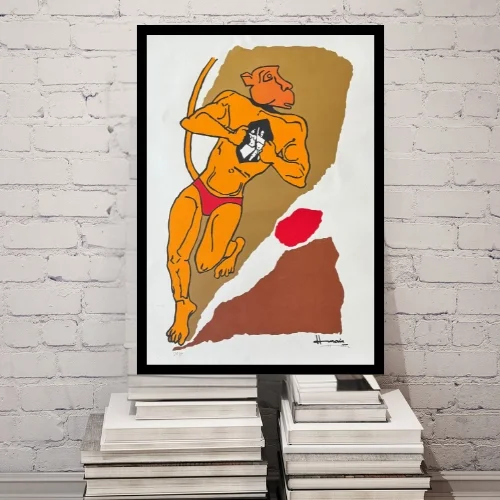
Meaning and Symbolism of Hanuman Paintings
Lord Hanuman is one of the most recognised figures in Indian devotional art. His imagery is commonly associated with unwavering devotion, courage, discipline and service.
Different paintings highlight different aspects of his story and character.
A calm Hanuman often represents devotion and humility. A powerful image of Hanuman carrying the Sanjeevani mountain represents determination and the willingness to overcome impossible challenges. Panchmukhi Hanuman artwork is traditionally connected with protection and spiritual strength.
Understanding these meanings can help you select a painting that feels meaningful rather than choosing artwork purely for decorative purposes.
Popular Types of Hanuman Paintings
Ram Bhakt Hanuman Painting
Ram Bhakt Hanuman is usually shown with folded hands, praying to or sitting near Lord Rama.
This representation highlights Hanuman’s devotion, humility and loyalty. Because of its calm composition, a Ram Bhakt Hanuman painting can work beautifully in pooja rooms, meditation corners and peaceful living spaces.
Its softer visual character also makes it suitable for homes where you want devotional artwork without creating an overly dramatic focal point.
Hanuman Carrying Sanjeevani Mountain Painting
One of the most iconic representations of Lord Hanuman shows him flying while carrying the Sanjeevani mountain.
The scene originates from the Ramayana story in which Hanuman travels to obtain a life-saving herb for Lakshmana.
In art, this representation is commonly associated with determination, courage and acting decisively in difficult circumstances.
Because of its movement and dramatic composition, a Hanuman Sanjeevani painting often works well as a statement piece in a living room, entrance area or larger wall.
Panchmukhi Hanuman Painting
A Panchmukhi Hanuman painting depicts Lord Hanuman in his five-faced form.
Traditional representations commonly include Hanuman along with Narasimha, Garuda, Varaha and Hayagriva. Each face carries its own symbolic associations within devotional traditions.
Panchmukhi Hanuman artwork often has a detailed and commanding appearance, which makes it suitable for people looking for a powerful traditional devotional painting.
Because the composition can be visually complex, give the artwork enough wall space rather than placing it among too many decorative elements.
Hanuman Showing Rama and Sita in His Heart
Another popular devotional representation shows Lord Hanuman opening his chest to reveal Lord Rama and Sita within his heart.
Rather than simply representing physical strength, this scene focuses on complete devotion and surrender.
A painting based on this imagery can be an especially meaningful choice for prayer areas and spiritual spaces because the central theme is devotion rather than power.
Meditating Hanuman Painting
Meditating Hanuman paintings usually feature a calm pose, minimal movement and softer expressions.
These artworks create a more peaceful visual atmosphere and can work well in meditation rooms, reading spaces, prayer rooms and quieter areas of the home.
For contemporary interiors, a minimal or softly coloured meditation painting can be easier to integrate than highly detailed traditional artwork.
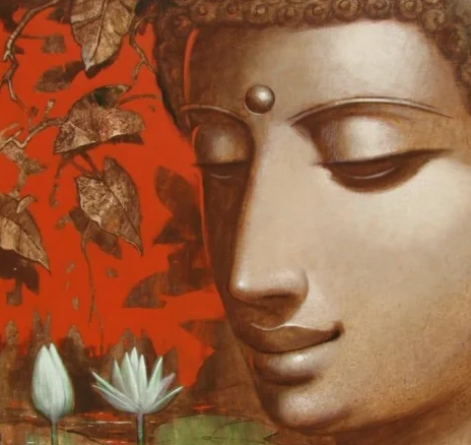
Modern Hanuman Painting
A modern Hanuman painting interprets the traditional subject using contemporary colours, textures and compositions.
Some artworks use abstract brushwork, monochrome palettes or simplified forms while retaining the recognisable features associated with Lord Hanuman.
This type of painting can be ideal for modern apartments and contemporary homes where traditional devotional artwork may otherwise feel visually disconnected from the décor.
Traditional Hanuman Painting
Traditional paintings may incorporate detailed ornamentation, bold colours and techniques inspired by Indian artistic traditions.
A Tanjore-style Hanuman painting, for example, can include decorative detailing and rich visual textures that give the artwork a ceremonial appearance.
Traditional artworks work particularly well in pooja rooms and interiors that already include Indian handicrafts, wooden furniture or heritage-inspired décor.
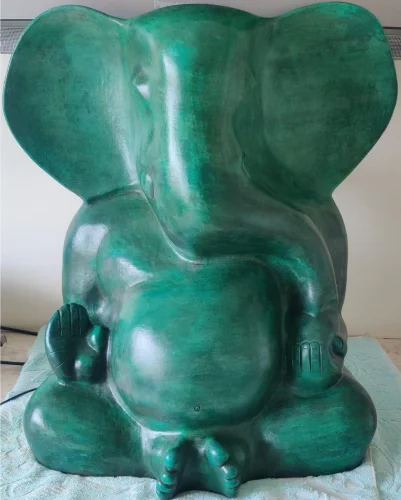
Hanuman Painting Vastu and Placement
Many homeowners also consider traditional Vastu guidance when deciding where to place devotional artwork.
Vastu recommendations can vary between traditions and practitioners, so they should be treated as traditional guidance rather than fixed rules.
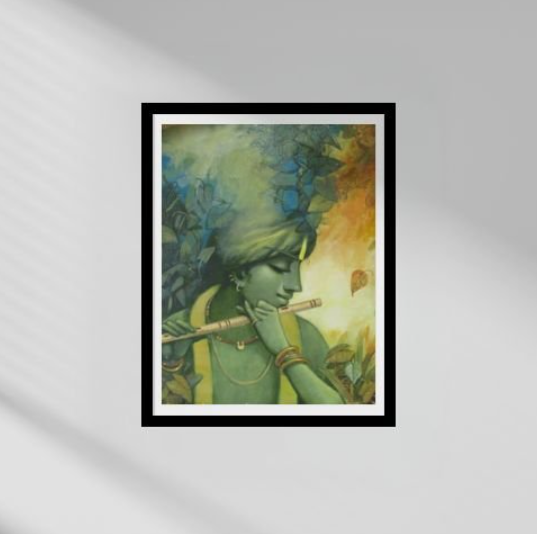
Hanuman Painting in the Living Room
A living room is one of the easiest places to display a Hanuman painting because it usually provides enough viewing distance and wall space.
A large Sanjeevani Hanuman painting or a contemporary Hanuman artwork can work well as a focal point above a console, sofa or feature wall.
Avoid surrounding the painting with too many competing décor pieces.
Hanuman Painting in the Pooja Room
A calm Ram Bhakt Hanuman or meditating Hanuman painting can be suitable for a pooja room.
Choose a size that fits comfortably without overpowering idols, diyas or other devotional elements already present in the space.
Hanuman Painting Near the Entrance
Some homeowners prefer devotional artwork near the entrance because it creates a spiritually meaningful first impression.
For an entrance area, a balanced artwork with clear composition usually works better than a very detailed painting, especially when the wall is narrow.
Can You Keep a Hanuman Painting in the Bedroom?
Traditional opinions on placing devotional imagery in bedrooms vary.
People who closely follow Vastu or religious placement traditions often prefer placing devotional artwork in prayer rooms, living areas or dedicated spiritual spaces instead.
If traditional guidance is important to you, consult a qualified Vastu practitioner familiar with your home’s exact layout.
Which Direction Is Recommended for a Hanuman Painting?
Various Vastu sources suggest different placement directions depending on the form of Hanuman shown in the artwork and the layout of the home.
Because these recommendations are not universally consistent, avoid choosing artwork solely on the basis of generic online direction rules.
Instead, combine traditional preferences with practical considerations such as visibility, lighting, wall size and the purpose of the room.
How to Choose a Hanuman Painting for Your Home
Start by thinking about where the painting will be displayed.
A large living room wall can accommodate a detailed or dramatic artwork, while a smaller prayer room may benefit from a more compact painting with a calmer composition.
You should also consider your home’s interior style.
For traditional interiors, richly detailed Hanuman artwork can blend naturally with wooden furniture, Indian textiles and brass décor. In modern apartments, contemporary artwork with cleaner colours and simplified compositions may feel more cohesive.
Most importantly, choose a painting that you genuinely connect with visually and spiritually.
Original Hanuman Painting vs Print
An original painting is individually created by an artist, while an art print reproduces an existing artwork.
Original paintings usually offer visible brushwork, texture and small variations that make every piece unique. Prints are generally more affordable and can work well when you want decorative artwork at a larger size.
When purchasing an original Hanuman painting, check the medium, dimensions, artist information and authenticity details where available.
Close-up photographs can also help you see the paint texture and surface details before buying online.
Choosing the Right Size
Artwork can look very different depending on the size of the surrounding wall.
For a large living room wall, a very small painting may feel lost. A larger horizontal or vertical composition can create a stronger focal point.
For pooja rooms and smaller spaces, compact artworks generally work better because they leave enough visual breathing room around other spiritual elements.
Before purchasing, mark the artwork dimensions on your wall using removable tape. This simple step can help you understand whether the size feels proportionate.
Choosing the Right Frame
The frame should complement the artwork rather than distract from it.
Traditional devotional paintings can work well with wooden or decorative frames, while modern Hanuman artwork often looks better in simple black, brown or neutral frames.
If the painting already contains strong gold detailing or rich colours, avoid choosing an excessively ornate frame.
The artwork should remain the main visual focus.
How to Care for a Hanuman Painting
Avoid placing original paintings in strong direct sunlight for long periods, as continuous exposure may affect the colours over time.
Keep the artwork away from areas with excessive moisture.
If incense is regularly used nearby, maintain some distance between the painting and the smoke to help protect its surface.
For framed artworks, dust the outer frame gently using a soft, dry cloth. Avoid directly applying household cleaning products to the painted surface.
Common Mistakes to Avoid When Buying a Hanuman Painting
One common mistake is choosing a painting only because it matches a keyword or popular Vastu recommendation without considering whether the artwork suits the room.
Another is selecting an artwork that is too small for the wall.
It is also important to understand exactly what you are buying. Check whether the product is an original painting, limited-edition artwork or printed reproduction.
Finally, avoid overcrowding the wall around devotional art. Giving a Hanuman painting enough surrounding space usually creates a stronger and more respectful presentation.
Hanuman Paintings in Indian Art
Lord Hanuman has appeared in Indian art for centuries through temple sculptures, manuscripts, murals and later canvas paintings.
Artists have interpreted his stories in different regional styles, resulting in a wide variety of compositions—from traditional devotional imagery to bold contemporary paintings.
Modern artists continue to reinterpret Hanuman while preserving the qualities most closely associated with him: devotion, courage, strength and service.
This makes Hanuman a subject that works equally well within traditional religious art and contemporary Indian interiors.
Frequently Asked Questions About Hanuman Paintings
Which Hanuman painting is good for home?
A calm Ram Bhakt Hanuman, meditating Hanuman or Hanuman carrying the Sanjeevani mountain can all be suitable for a home. The best choice depends on your personal preference, room and interior style.
Can we keep a Hanuman painting at home?
Yes. Hanuman paintings are commonly displayed in Indian homes, particularly in prayer rooms, living rooms and spiritual corners.
Which Hanuman painting is good for the living room?
A Sanjeevani Hanuman painting, Panchmukhi Hanuman artwork or contemporary Hanuman painting can work especially well in a living room where there is enough space for a strong visual focal point.
Can a Hanuman painting be kept in the bedroom?
Traditional opinions vary. People who closely follow devotional or Vastu practices often prefer placing religious artwork in a pooja room or living space rather than the bedroom.
What does Panchmukhi Hanuman painting symbolize?
Panchmukhi Hanuman is traditionally associated with protection, courage and spiritual strength. The five-faced representation carries symbolism drawn from later devotional traditions.
What does Hanuman carrying the Sanjeevani mountain represent?
The scene represents Hanuman’s determination and devotion as he carries the mountain containing the Sanjeevani herb to help save Lakshmana.
Where should a Hanuman painting be placed according to Vastu?
Vastu recommendations differ depending on the artwork and practitioner. Living rooms and pooja spaces are commonly suggested locations, but homeowners following Vastu closely may prefer personalised guidance.
Is a Hanuman painting suitable for a pooja room?
Yes. A Ram Bhakt Hanuman or peaceful Hanuman painting can be an appropriate choice for a pooja room.
How do I choose the correct size Hanuman painting?
Consider the width of the wall, viewing distance and surrounding furniture. Larger walls can support bigger statement artworks, while compact paintings are generally better suited to smaller prayer spaces.
Is an original Hanuman painting better than a print?
It depends on what you want. Original paintings provide unique brushwork, texture and artistic character, while prints can be a more affordable decorative option.
Bring Meaningful Hanuman Art Into Your Space
A Hanuman painting can bring together spirituality, storytelling and Indian artistic tradition within a single artwork.
Whether you are drawn to the calm devotion of Ram Bhakt Hanuman, the determination represented by the Sanjeevani mountain, the powerful presence of Panchmukhi Hanuman or a contemporary interpretation created for modern interiors, the right artwork should feel meaningful to you and suitable for your space.
Explore thoughtfully created Indian artwork and choose a piece that reflects both your personal connection with the subject and the character of your home.