
Bhil painting is one of India’s distinctive tribal art traditions, recognised for its colourful patterns, hand-painted dots, and storytelling inspired by nature and community life. Created by artists from the Bhil community, this traditional Indian art form transforms everyday experiences, cultural beliefs, animals, and landscapes into expressive visual compositions.
From its roots in wall painting to its presence in contemporary art galleries, Bhil art reflects the creativity and cultural heritage of Indigenous communities in India and sits proudly within the wider world of Indian folk artwork.
Whether you want to understand Bhil painting history, explore traditional designs, learn about its unique techniques, or buy an original Bhil painting, this guide covers the essential aspects of this remarkable art form.
Bhil Painting Quick Facts
| Feature | Details |
|---|---|
| Art form | Tribal painting tradition of India |
| Community | Bhil communities |
| Regions | Madhya Pradesh, Rajasthan, Gujarat, Maharashtra |
| Signature technique | Small, colourful dots used to fill shapes and create patterns |
| Traditional surface | Mud walls of homes and community spaces |
| Traditional colours | Natural pigments from earth, plants, and other local sources |
| Contemporary materials | Poster colours, acrylics, paper, and canvas |
| Pioneering artist | Bhuri Bai of Pitol, Padma Shri awardee (2021) |
| Related tradition | Pithora mural painting |
| Common subjects | Animals, birds, trees, village life, festivals, deities |
What Is Bhil Painting?
Bhil painting is a traditional Indian tribal art form associated with the Bhil communities of Madhya Pradesh, Rajasthan, Gujarat, and Maharashtra.
One of its most recognisable features is the use of small, colourful dots to create patterns, fill shapes, and add rhythm to compositions. These dots often appear across images of animals, birds, trees, human figures, and scenes from everyday life.
Unlike many conventional painting styles that focus on realistic proportions and perspective, Bhil artists often use imaginative forms, expressive colours, and symbolic imagery.
Bhil painting is not simply decorative artwork. It is also a way for artists to communicate memories, cultural experiences, relationships with nature, and stories passed through generations, much like other forms of art that tells a story.
History and Origin of Bhil Painting
The history of Bhil painting is closely connected to the artistic and cultural traditions of the Bhil community, one of India’s major Adivasi communities.
Historically, decorative and ceremonial paintings were created on the walls of homes and community spaces. These works often featured natural materials and subjects connected to festivals, family life, spiritual beliefs, and local surroundings.
Traditional Bhil Wall Paintings
Before paper and canvas became common artistic surfaces, many Bhil artists worked on mud walls using locally available pigments and handmade painting tools.
Different painting practices served different purposes. Some decorated living spaces, while others were associated with ceremonies and religious traditions.
The related Pithora mural tradition, for example, has important ritual significance among certain Bhil and neighbouring communities.
Transition from Walls to Canvas
A major development in contemporary Bhil art occurred when artists began working on paper and canvas.
Bhuri Bai of Pitol was a pioneering figure in this transition. Encouraged by artist J. Swaminathan at Bharat Bhavan in Bhopal, she began creating paintings using modern artistic materials.
This transition made it possible for Bhil artworks to be exhibited, preserved, collected, and appreciated beyond their original settings.
Today, Bhil painting continues to develop as artists combine inherited visual traditions with personal experiences and contemporary subjects, a journey shared by many forms of contemporary Indian painting.
Traditional Bhil Painting Techniques
The distinctive dotted technique is one of the defining features of contemporary Bhil painting.
Artists use carefully placed dots, lines, shapes, and contrasting colours to develop detailed compositions. Depending on the artist’s individual style, the dots may be closely arranged, loosely scattered, or organised into repeating patterns.
How Bhil Paintings Are Created
The painting process usually begins with an idea inspired by nature, a memory, a story, or an observation from everyday life.
The artist develops the main figures and composition before adding colours and decorative details.
Small dots are then applied using fine brushes or other suitable tools. Their placement can create texture, movement, and visual contrast.
Some paintings contain intricate dotted patterns across nearly the entire composition, while others combine larger colour areas with selectively dotted details.
Although dots are strongly associated with Bhil art, their size, arrangement, and meaning differ across artists and artworks.
Significance of Dots in Bhil Art
Dots are not merely decorative elements. In some artworks, they relate to natural rhythms, cultural memories, or an artist’s interpretation of the surrounding world.
They may also create visual effects resembling movement, changing light, or organic textures.
However, there is no universal meaning assigned to every dot in Bhil painting. Understanding a particular artwork often requires looking at the artist’s own explanation and cultural context.
Popular Bhil Painting Designs and Motifs
Traditional and contemporary Bhil paintings feature a wide range of subjects inspired by the environment, cultural traditions, and personal experiences.
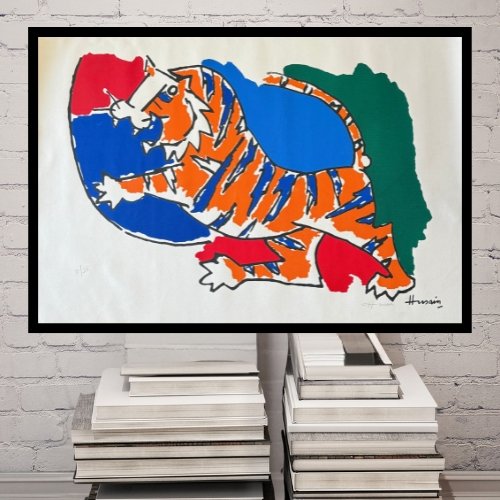
1. Animals and Birds
Animals are among the most recognisable subjects in Bhil artwork. Deer, horses, birds, and other creatures appear in compositions featuring colourful patterns and imaginative forms.
These subjects may reflect local wildlife, traditional narratives, memories, or personal observations.
2. Trees and Nature
Trees, forests, leaves, and plants frequently appear in Bhil painting designs.
Artists may use branches, colourful dots, and flowing patterns to communicate the richness of the natural environment.
Nature-themed Bhil paintings are also popular choices for people interested in traditional Indian artwork for home interiors. If you love this theme, our guide to nature paintings offers more styling inspiration.
3. Village Life and Celebrations
Scenes of village life, gatherings, music, dancing, and festivals help communicate the social experiences of Bhil communities.
Such paintings can provide visual insights into the relationships, traditions, and celebrations that inspire individual artists.
4. Cultural and Spiritual Themes
Certain Bhil artworks depict deities, sacred subjects, ancestral memories, or stories associated with community traditions.
The interpretation of these themes can vary according to the artist, community, and context.
5. Contemporary Subjects
Modern Bhil painting is not limited to traditional themes.
Artists also depict vehicles, city life, technology, changing landscapes, and experiences beyond their villages.
This artistic development demonstrates that Bhil painting is a living creative tradition rather than a fixed style from the past.
Colours and Materials Used in Bhil Art
Colour plays an essential role in the visual identity of Bhil painting.
Historically, artists used pigments derived from locally available materials, including earth, plants, and other natural sources.
Traditional painting tools also varied according to the materials accessible to different communities and artists.
Contemporary Bhil paintings may use poster colours, acrylics, paper, or canvas. Our guide to poster colour drawing explains why this medium suits bright, detailed work.
Bright reds, blues, yellows, greens, and contrasting backgrounds are frequently found in modern works, although there is no single colour palette that defines every Bhil artist.
The choice of materials and colours depends on the artist’s technique, intended composition, and individual approach.
Famous Bhil Painting Artists
Several artists have played important roles in bringing Bhil painting to wider audiences.
Bhuri Bai
Bhuri Bai of Pitol is among the most recognised names in contemporary Bhil art.
She is known for her pioneering work on paper and canvas and for paintings inspired by village life, forests, animals, memories, and changing social environments. In 2021, she was awarded the Padma Shri by the Government of India.
Her artistic practice demonstrates how traditional cultural knowledge can evolve through new materials and personal expression.
Lado Bai
Lado Bai is another important Bhil artist whose work has contributed to the recognition of Indigenous artistic traditions.
Her paintings explore subjects drawn from community life, animals, the natural environment, and cultural experiences.
Champa Pargi
Champa Pargi, a Bhil artist from Rajasthan, is known for paintings inspired by wildlife, environmental change, village experiences, and the Gavri dance tradition.
Her work illustrates how artists use visual storytelling to explore both cultural memory and contemporary concerns.
These artists demonstrate the diversity of Bhil painting. While they share cultural connections, each has an individual artistic style.
Difference Between Bhil, Gond and Warli Painting
India has several rich tribal and folk painting traditions. Although Bhil, Gond, and Warli paintings may share nature-inspired themes, they have different artistic approaches.
| Art Form | Distinctive Features | Common Subjects |
|---|---|---|
| Bhil Painting | Colourful dots, expressive figures, individual pattern styles | Animals, nature, community life |
| Gond Painting | Intricate lines, dots, decorative patterns | Forests, animals, stories |
| Warli Painting | Geometric human and animal figures, frequently in monochromatic compositions | Farming, dancing, village activities |
Bhil and Gond paintings may both feature dotted patterns, but they arise from different artistic communities and traditions.
Warli painting is particularly recognised for its geometric arrangements of circles, triangles, and lines.
Readers interested in comparing these traditions can explore our Warli painting guide, or discover other regional styles such as Madhubani painting.
Bhil Painting and Pithora Painting
Bhil painting is also connected to the Pithora mural tradition practised among some Bhil, Bhilala, and Rathwa communities.
However, contemporary dotted Bhil paintings and traditional Pithora murals should not be treated as identical artistic forms.
Pithora painting has a specific ceremonial context and often features horses, deities, and ritual narratives. Contemporary Bhil artists may draw inspiration from such traditions while creating their own artistic compositions.
Modern Bhil Painting for Home Decoration
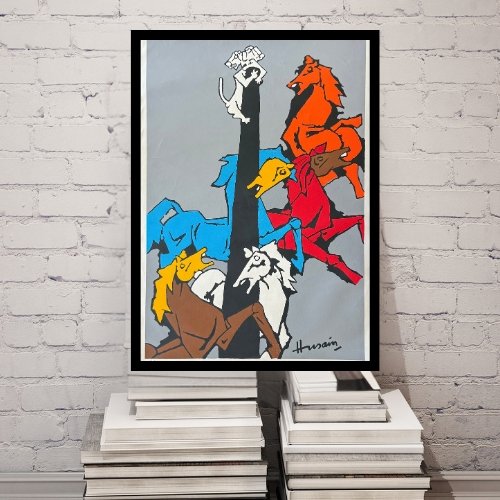
Bhil paintings can complement both traditional and contemporary interiors.
Their vibrant colours, detailed patterns, and nature-inspired themes make them suitable for decorative spaces where original artwork can become a focal point. Our interior design guide explains how to build a room around a single statement piece.
Bhil Paintings for Living Rooms
A colourful Bhil painting featuring animals, birds, or trees can create a striking visual feature in a living room.
Neutral walls and simple furnishings can help highlight the artwork’s detailed patterns.
Bhil Artwork for Bedrooms
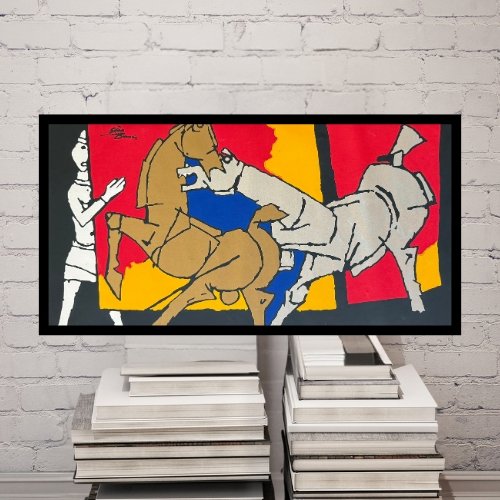
Paintings featuring balanced compositions, natural subjects, or softer colour combinations may complement bedroom interiors.
Choose an artwork based on the room’s existing colours and the atmosphere you want to create. Our guide to colour theory for art and interiors can help you match a painting to your palette.
Bhil Paintings for Offices
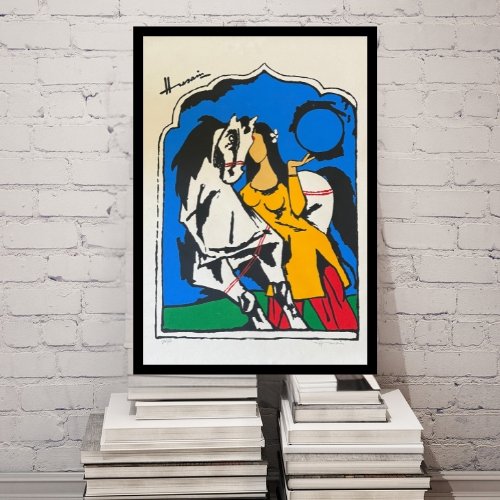
Bhil art can add cultural character and visual interest to professional spaces.
A carefully selected painting may work well in an office, meeting room, reception area, or creative workspace. Pairing a painting with a small sculpture on a console or reception desk can add depth to the display.
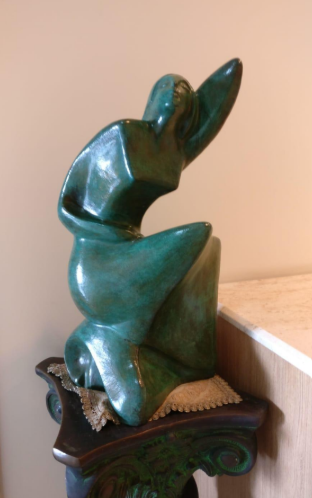
For more inspiration, explore Indian paintings online and discover different styles of traditional artwork.
How to Identify and Buy Original Bhil Paintings
If you are planning to buy a Bhil painting, understanding its authenticity and origin is important.
Hand-painted artwork should be evaluated through reliable information about the artist and the artwork rather than appearance alone.
Verify the Artist’s Identity
Ask for the artist’s name and background. Where possible, request information about their artistic practice and the origin of the work.
Check the Artwork Details
Confirm whether the painting is an original handmade piece, a reproduction, or a print. If you are unsure of the difference, read our comparison of art prints and original paintings.
Details such as the medium, dimensions, year of creation, and artwork condition can help you make a more informed decision.
Ask About Provenance
Provenance refers to the documented history of an artwork’s creation and ownership.
For an original painting, supporting information from the artist, gallery, or seller can help establish its origin.
Examine the Materials
Original Bhil paintings can be created using different paints, tools, and surfaces. Variations in colour and dot application may indicate handwork, but they are not sufficient evidence of authenticity on their own.
Choose a Reliable Art Seller
Look for clear product descriptions, artist attribution, pricing transparency, and information about shipping and returns. Our guide to buying original paintings covers what to check before you purchase.
You can browse the artwork collection at The Brush Strokes Co. to explore available art styles and paintings.
Bhil Painting as a Meaningful Gift
An original Bhil painting can make a memorable gift for people who appreciate traditional Indian art and handmade craftsmanship.
Its connection to culture, nature, and artistic storytelling can make it especially suitable for housewarmings, weddings, anniversaries, and festive celebrations.
Smaller artworks may also be considered for corporate gifting, depending on the recipient’s interests and the available budget.
When choosing artwork as a gift, consider the recipient’s preferred colours, interior style, and appreciation for cultural art forms.
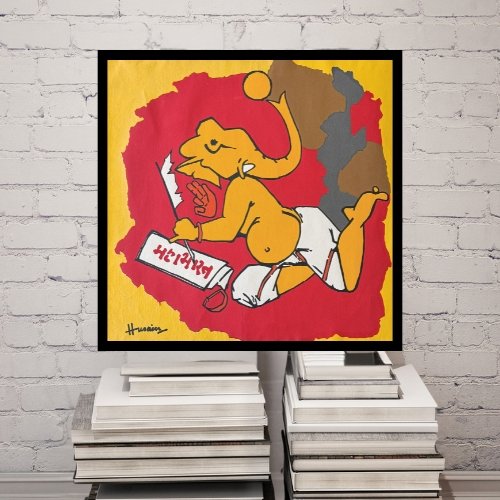
Explore art gifting ideas for additional inspiration.
How to Care for Bhil Paintings
Proper care can help maintain the appearance and condition of a Bhil painting.
Keep the artwork away from direct sunlight, excessive moisture, and sudden changes in temperature or humidity.
Avoid touching painted surfaces unnecessarily, especially where delicate patterns or textured paint are present.
For works on paper, consider suitable archival framing and protective glazing. Make sure the artwork does not directly touch the glass. The Library of Congress offers practical guidance on caring for works on paper.
Avoid using water, household cleaners, or chemical sprays on the painted surface.
For valuable or fragile artworks, seek guidance from a qualified art conservator before attempting cleaning or restoration.
Why Bhil Painting Matters Today
Bhil painting represents more than an attractive artistic style. It reflects the creative knowledge, cultural experiences, and individual expression of Bhil artists.
Its continued evolution demonstrates how traditional practices can adapt to new environments without losing their cultural significance.
By learning about the artists, understanding the meaning behind their work, and supporting authentic artwork, collectors and art enthusiasts can develop a deeper appreciation for India’s diverse artistic traditions.
Conclusion
Bhil painting is a vibrant form of Indian tribal art that combines expressive colours, detailed patterns, and stories inspired by nature and community life.
From traditional wall paintings to contemporary artworks on paper and canvas, the tradition continues to evolve through the creativity of individual artists.
Whether you are discovering Bhil art for the first time or considering an original painting for your home, understanding its history, techniques, and artistic significance can help you appreciate each work more deeply.
Explore The Brush Strokes Co.’s art collection to discover Indian art and find a piece that complements your space, or contact our team for help choosing the right artwork.
FAQ
1. What is Bhil painting?
Bhil painting is a traditional Indian tribal art form associated with Bhil communities. It is widely recognised for its colourful compositions, dotted patterns, and depictions of nature, animals, and community life.
2. Where did Bhil painting originate?
Bhil painting developed through the artistic traditions of Bhil communities living in regions including Madhya Pradesh, Rajasthan, Gujarat, and Maharashtra.
3. What is the speciality of Bhil painting?
One of the most distinctive features of contemporary Bhil painting is the use of small, colourful dots to create patterns, movement, and detailed images.
4. Which colours are used in Bhil paintings?
Historically, artists used locally available natural pigments. Contemporary Bhil artists also use poster colours, acrylic paints, and a wide variety of bright colours.
5. Who is the famous artist of Bhil painting?
Bhuri Bai is one of the best-known Bhil artists. She helped pioneer the use of paper and canvas in contemporary Bhil painting and received the Padma Shri in 2021. Other recognised artists include Lado Bai and Champa Pargi.
6. What is the difference between Bhil and Gond painting?
Bhil painting is often associated with colourful dotted compositions, while Gond painting frequently uses intricate lines, dots, and decorative patterns. Both traditions have distinct cultural origins and individual artistic styles.
7. What is the significance of dots in Bhil painting?
Dots create texture, rhythm, and movement. Depending on the artwork and the artist’s interpretation, they may also connect to memories, nature, or cultural themes.
8. Where can I buy original Bhil paintings online?
Original Bhil paintings can be purchased through reputable art galleries, artist-led platforms, and sellers specialising in Indian traditional art. Verify the artist’s identity and the artwork’s provenance before buying.
9. Is Bhil painting suitable for home decoration?
Yes. Bhil paintings can complement living rooms, bedrooms, offices, and other interiors. Their colourful patterns and nature-inspired subjects can add character to different design styles.
10. How can I identify an authentic Bhil painting?
Ask for the artist’s name, artwork details, provenance, and confirmation that the piece is handmade. Visual characteristics alone cannot reliably establish authenticity.