
Fine art is more than a beautiful painting on a wall. It is a form of creative expression that reflects artistic vision, culture, emotions, and imagination. From traditional paintings and sculptures to contemporary photography and printmaking, fine art has influenced how people understand beauty and creativity for centuries.
Whether you are an art enthusiast, a first-time collector, or someone looking to buy original paintings online, understanding fine art can help you appreciate different artistic styles and make informed choices.
India has a particularly rich artistic heritage, from the ancient Ajanta cave paintings to renowned modern artists such as M. F. Husain and S. H. Raza.
In this guide, explore the meaning of fine art, its different types, famous examples, historical significance, and the factors that make an artwork valuable.
What Is Fine Art?
Fine art refers to artistic works created primarily for aesthetic, intellectual, or expressive purposes rather than practical use.
Traditionally, fine art includes painting, sculpture, drawing, printmaking, and other visual art forms. Photography, installation art, and certain digital artworks are also widely recognised within contemporary fine art.
Unlike objects designed mainly for everyday functions, fine art typically emphasises creativity, artistic interpretation, and emotional or conceptual meaning.
For example, an original painting depicting an Indian landscape may be considered fine art because its primary purpose is artistic expression. A decorative ceramic plate, however, may serve both aesthetic and practical functions.
Importantly, fine art does not have to be expensive, displayed in a museum, or created by a famous artist. Emerging artists can produce meaningful fine art just as established artists do.
Types of Fine Art
Fine art includes several artistic disciplines, each with its own materials, techniques, and creative possibilities.
1. Fine Art Painting
Fine art painting is among the most recognised forms of artistic expression. Artists use colours, textures, brushstrokes, and compositions to communicate ideas and emotions.
Popular painting mediums include oil, acrylic, watercolour, gouache, and tempera.
Fine art paintings may represent realistic subjects such as portraits, landscapes, and still life arrangements or explore abstract shapes and expressive colours.
Collectors often choose original paintings because each artwork reflects the individual artist’s creative process.
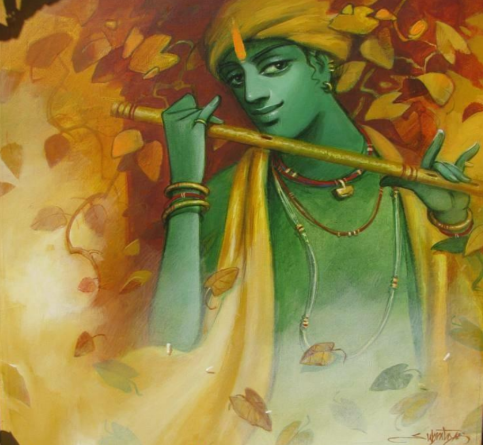
Explore the original painting collection at The Brush Strokes Co. to discover different artistic styles and mediums.
2. Fine Art Photography
Fine art photography focuses on creative interpretation rather than straightforward documentation.
Photographers use composition, lighting, perspective, and visual storytelling to create images that express an artistic idea.
One influential example is Alfred Stieglitz’s The Steerage, photographed in 1907. Its carefully arranged lines, shapes, and human figures helped demonstrate photography’s artistic potential.
Fine art photographs may be issued as limited editions, open editions, or unique works, depending on the artist and printing process.
3. Sculpture and Three-Dimensional Art
Sculpture is a form of fine art that creates three-dimensional objects using materials such as stone, bronze, wood, clay, and metal.
Sculptors explore form, texture, movement, and space to communicate artistic ideas.
From traditional Indian sculptures to modern abstract installations, this art form offers diverse creative possibilities.
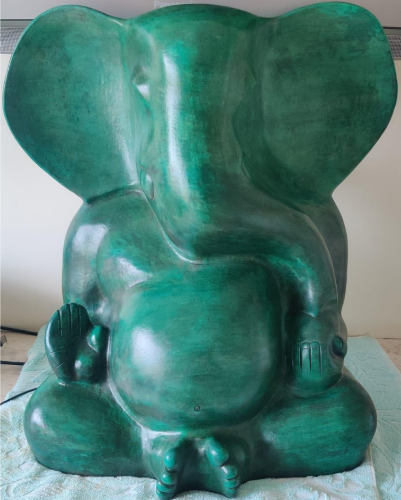
Sculptures can also become striking decorative focal points in homes, offices, and commercial interiors.
Browse the sculpture collection to explore available styles and materials.
4. Printmaking and Fine Art Prints
Printmaking includes artistic techniques such as etching, lithography, woodcut, and screen printing.
An original fine art print is created through a printmaking process conceived or directed as part of the artist’s artistic practice.
This is different from a reproduction that simply copies an existing painting or drawing.
Serigraphy, also known as screen printing, is a printmaking technique in which ink is transferred through a prepared screen.
Artist-created serigraphs may be produced in signed and numbered editions, making them attractive to collectors interested in original printmaking.
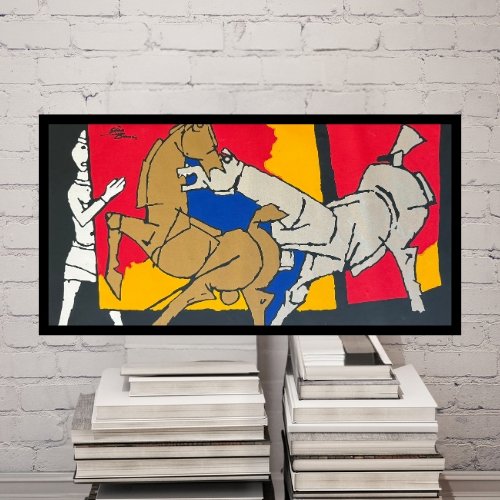
Explore serigraph artworks to learn more about this medium.
5. Contemporary and Mixed Media Art
Contemporary fine art often combines traditional techniques with modern materials and concepts.
Mixed media artists may use paint, fabric, photographs, paper, digital elements, and found objects within a single artwork.
These creative approaches expand the possibilities of fine art beyond conventional painting and sculpture.
Fine Art vs Decorative Art: Understanding the Difference
Fine art and decorative art both contribute to visual culture, but their traditional purposes are different.
Fine art is generally created with artistic expression, interpretation, or aesthetic experience as its primary purpose.
Decorative art often combines visual beauty with a practical function. Examples include designed furniture, ceramics, textiles, and ornamental objects.
However, the distinction is not always absolute. A beautifully crafted textile or ceramic object may have significant artistic, historical, and cultural value.
The difference is therefore better understood through an artwork’s purpose, context, and creative intention rather than its appearance or price.
History and Evolution of Fine Art in India
Indian fine art has evolved over thousands of years, reflecting religious traditions, cultural changes, and artistic innovation.
Ancient Indian Art and Ajanta Cave Paintings
The Ajanta Caves in Maharashtra contain some of India’s most celebrated ancient paintings.
Created across different historical periods, these Buddhist murals depict religious narratives, human figures, and scenes of daily life.
Their expressive forms, colours, and compositions demonstrate the sophistication of early Indian painting traditions.
The Ajanta Caves were recognised as a UNESCO World Heritage Site in 1983.
Raja Ravi Varma and Indian Fine Art
Raja Ravi Varma played an important role in the development of modern Indian painting during the 19th century.
He combined European academic painting techniques with Indian mythological and cultural subjects.
His portraits and depictions of figures from Indian epics helped shape the popular visual representation of Indian mythology.
Reproductions of his works also made his artistic imagery accessible to a wider audience.
Modern Indian Fine Art
The 20th century introduced new artistic movements and approaches across India.
Artists experimented with abstraction, expressionism, symbolism, and modern interpretations of Indian identity.
Prominent Indian artists such as M. F. Husain, S. H. Raza, Amrita Sher-Gil, and Tyeb Mehta contributed to the development of modern Indian art.
Their works continue to attract interest from museums, galleries, researchers, and collectors.
Famous Fine Art Examples and Artists
Understanding famous fine art examples can help readers appreciate the different ways artists communicate their ideas.
Mona Lisa by Leonardo da Vinci
Leonardo da Vinci’s Mona Lisa is one of the world’s most recognised paintings.
Known for its subtle facial expression, balanced composition, and sophisticated modelling of light and shadow, it remains an important example of Renaissance portrait painting.
The Starry Night by Vincent van Gogh
Vincent van Gogh’s The Starry Night, painted in 1889, is celebrated for its swirling brushstrokes, vivid colours, and expressive interpretation of the night sky.
It demonstrates how fine art can convey emotional intensity rather than simply reproduce visual reality.
Bindu Paintings by S. H. Raza
S. H. Raza is widely known for abstract geometric compositions centred on the Bindu, a symbolic point associated with concepts of origin, energy, and the cosmos.
His works combine modern abstraction with ideas drawn from Indian philosophy and visual traditions.
Mother India and Other Works by M. F. Husain
M. F. Husain became internationally recognised for his expressive figures, dynamic compositions, and explorations of Indian culture and mythology.
His artistic language helped shape the identity of modern Indian painting.
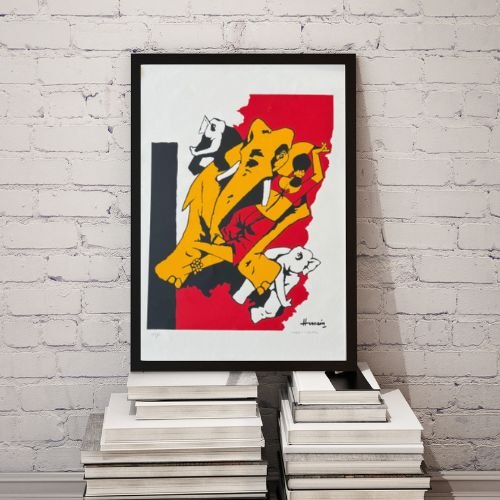
These artists illustrate the diversity of fine art, from classical realism to modern abstraction.
Original Fine Art vs Art Prints
When buying fine art online, understanding the difference between original artwork and reproductions is essential.
An original painting is a unique work created directly by the artist, usually on canvas, paper, board, or another suitable surface.
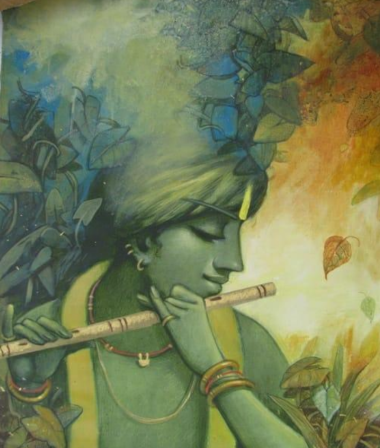
An original fine art print, such as an artist-created etching or serigraph, is produced through a printmaking process that forms part of the artwork itself.
A reproduction, on the other hand, is a printed copy of an existing artwork.
High-quality reproductions, including giclée prints, may use archival inks and paper to achieve detailed colour reproduction.
However, a giclée print is not automatically a limited edition. Edition size depends on how the publisher or artist releases the work.
Before purchasing, check the artwork’s medium, edition details, artist information, and authenticity documentation.
What Makes Fine Art Valuable?
The value of fine art depends on a combination of artistic, historical, cultural, and market-related factors.
Artistic Creativity and Originality
An artwork’s visual language, technique, composition, and creative approach contribute to its artistic significance.
Works that demonstrate distinctive artistic ideas may attract interest from art enthusiasts and collectors.
Artist Reputation and Recognition
An artist’s exhibition history, critical recognition, institutional collections, and previous sales can influence demand.
Established artists may have more documented market histories, while emerging artists may offer opportunities to discover new artistic voices.
Rarity and Availability
Unique paintings and works from limited editions may attract collector interest because their availability is restricted.
However, rarity alone does not guarantee high value.
Authenticity and Provenance
Provenance refers to the documented history of an artwork’s ownership and origin.
Reliable provenance, appropriate authenticity documentation, and expert assessment can help buyers understand what they are purchasing.
Historical and Cultural Importance
Some artworks gain significance because of their relationship to historical events, artistic movements, or cultural traditions.
For example, paintings associated with influential periods of Indian modern art may carry historical importance beyond their decorative appeal.
Market Demand and Condition
Artwork prices also depend on market demand, physical condition, size, medium, and comparable sales.
Although some artworks appreciate over time, art prices can also decline or remain unchanged. Purchasing fine art should not be treated as a guaranteed financial investment.
How to Identify and Buy Original Fine Art
Buying original fine art requires careful consideration, especially when purchasing from an online gallery.
Start by reviewing the artist’s name, artwork title, dimensions, medium, and condition.
Ask whether the piece is an original painting, original print, limited-edition reproduction, or open-edition print.
A signature or visible brush texture may offer useful clues, but neither can independently establish authenticity.
For higher-value purchases, request appropriate provenance records, certificates where available, and independent expert advice when necessary.
Buying from a gallery that clearly explains artwork details and provides transparent documentation can help reduce uncertainty.
You can explore the artwork collection at The Brush Strokes Co. to discover paintings, sculptures, and other available artwork.
How to Choose Fine Art for Your Home
Selecting fine art for your home is a personal decision. The right artwork should complement your space while reflecting your individual taste.
Fine Art Paintings for Living Rooms
Living rooms are ideal for statement paintings that create a strong visual focal point.
Large abstract compositions, expressive landscapes, and contemporary Indian paintings can add depth and personality.
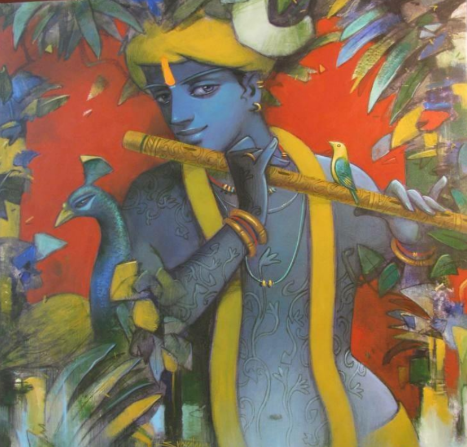
Consider the wall size, surrounding furniture, and colour palette before choosing a piece.
Fine Art for Bedrooms
Bedrooms often benefit from artwork with balanced compositions and colours that suit the desired atmosphere.
Watercolours, minimalist paintings, and softer abstract artworks can complement relaxing interiors.

Fine Art for Offices
Fine art can introduce visual interest into offices, meeting rooms, and reception areas.
Geometric paintings, contemporary sculptures, and abstract compositions may complement modern professional spaces.
Fine Art as a Gift
Original paintings and fine art prints can make thoughtful gifts for weddings, anniversaries, housewarmings, and corporate occasions.
Consider the recipient’s preferences, available space, and personal interests when choosing artwork.
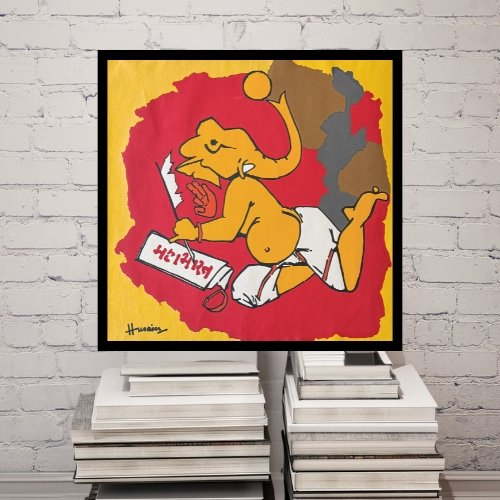
Explore art gifting options for additional inspiration.
How to Frame and Display Fine Art
Proper framing and placement can improve an artwork’s presentation while supporting its long-term preservation.
Choose a frame that complements the style and dimensions of the artwork without overwhelming the composition.
Works on paper, photographs, and some other sensitive materials may benefit from conservation-quality mounting and suitable protective glazing.
Avoid placing valuable fine art in direct sunlight, near sources of heat, or in areas with excessive moisture.
Even UV-filtering glazing does not eliminate every risk of light-related damage.
Use appropriate, low-heat lighting that illuminates the artwork without exposing it to excessive brightness.
For valuable or fragile works, consult a professional framer or conservator before selecting framing materials.
How to Care for Original Fine Art
Fine art requires suitable handling and environmental conditions to preserve its appearance and condition.
Keep paintings, prints, and sculptures away from direct sunlight, water exposure, and unnecessary temperature fluctuations.
Avoid touching painted surfaces with bare hands because oils and moisture can affect some materials.
Do not apply household cleaning products, water, or cleaning sprays directly to artworks.
Fragile paintings and works with loose or damaged pigment should not be dusted without professional advice.
When moving framed artwork, handle it carefully and support the structure appropriately.
If you notice flaking paint, discolouration, mould, or other damage, consult a qualified art conservator.
Common Mistakes to Avoid When Buying Fine Art
Buying fine art can be an enjoyable experience, but overlooking important details can lead to disappointment.
- Ignoring artwork dimensions: Always measure the intended display space rather than judging size from online photographs.
- Confusing originals with reproductions: Check the medium and edition information carefully.
- Overlooking authenticity: Request relevant documentation and investigate the artwork’s ownership history when appropriate.
- Choosing art only for investment: Select pieces you genuinely appreciate instead of relying on uncertain resale expectations.
- Ignoring preservation requirements: Consider lighting, humidity, framing, and the artwork’s physical condition.
- Buying without understanding the artist: Learning about an artist’s background, style, and creative approach can make collecting more meaningful.
Frequently Asked Questions About Fine Art
1. What is fine art in simple words?
Fine art is artwork created primarily for aesthetic, creative, or intellectual expression rather than practical use. It includes painting, sculpture, photography, and printmaking.
2. What are the main types of fine art?
Common types include painting, sculpture, drawing, photography, printmaking, mixed media, and installation art.
3. What is the difference between fine art and decorative art?
Fine art traditionally emphasises artistic expression, while decorative art often combines visual beauty with practical function. However, the categories can overlap.
4. What are some famous examples of fine art?
Famous examples include Leonardo da Vinci’s Mona Lisa, Vincent van Gogh’s The Starry Night, and abstract paintings by S. H. Raza.
5. What is fine art painting?
Fine art painting involves creating visual artworks through paint, colour, texture, and composition. It can include realistic, abstract, traditional, and contemporary styles.
6. Is fine art always original?
No. Fine art can include unique paintings, original printmaking editions, photographs, and other works produced in multiple copies. A reproduction should be clearly identified as such.
7. Why is fine art valuable?
Fine art may be valued for artistic creativity, cultural significance, rarity, provenance, historical importance, and market demand.
8. Is buying fine art a good investment?
Some artworks increase in market value, but appreciation is not guaranteed. Buyers should consider the risks, costs, and limited liquidity of art markets.
9. Where can I buy fine art online in India?
You can explore established art galleries and online art platforms, including The Brush Strokes Co., to discover available paintings, sculptures, and prints.
10. How should I care for fine art at home?
Protect artwork from direct sunlight, moisture, excessive heat, and physical damage. Use suitable framing and consult an art conservator for fragile or valuable works.
Conclusion
Fine art represents creativity, cultural heritage, and artistic expression across generations. From ancient Indian murals to contemporary abstract paintings, it continues to inspire artists, collectors, and art enthusiasts worldwide.
Understanding the meaning of fine art, its different types, and the factors influencing its value can help you appreciate artworks and make informed purchasing decisions.
Whether you are exploring fine art for personal enjoyment, home décor, gifting, or collecting, choosing artwork that resonates with you is an important part of the experience.
Discover original paintings and artwork at The Brush Strokes Co. and explore art that reflects your personal style.