
Kerala mural painting is one of India’s most distinctive traditional art forms, celebrated for its vibrant natural colours, intricate detailing, and mythological storytelling. Originating in the temples and palaces of Kerala, these paintings beautifully depict Hindu deities, religious stories, and cultural traditions through expressive figures and elaborate designs.
Known for their rich shades of red, yellow, green, white, and black, Kerala murals combine artistic precision with spiritual significance. Traditionally painted on prepared walls using natural pigments, this art form has evolved over centuries while preserving its unique identity.
Today, Kerala mural art extends beyond temples and palaces, finding its place on canvas, decorative objects, and contemporary home interiors. Understanding its history, techniques, and symbolism reveals why this traditional Indian painting style continues to attract art enthusiasts and collectors.
What Is Kerala Mural Painting?
Kerala mural painting is a traditional wall-painting technique that developed in Kerala, India. These paintings are recognised for their detailed compositions, expressive facial features, ornamental designs, and vibrant colours derived from natural materials.
The term mural refers to artwork painted or applied directly to walls, ceilings, or other permanent surfaces. In Kerala, these paintings historically decorated temples, palaces, and religious buildings.
Unlike simpler decorative paintings, traditional Kerala murals often follow established artistic conventions concerning proportion, gestures, ornamentation, and colour.
Many compositions illustrate stories from the Ramayana, Mahabharata, and Puranas. Figures of Lord Krishna, Lord Vishnu, Lord Shiva, and Goddess Devi are frequently featured, making mythology an important part of Kerala mural art.
History and Origins of Kerala Mural Art
The history of Kerala mural painting stretches back many centuries. According to Kerala Tourism, some early examples are associated with traditions dating to approximately the eighth century, while many significant surviving mural works were created between the 15th and 19th centuries.
The art form developed under religious and royal patronage, particularly in temples and palaces where artists created elaborate paintings depicting devotional subjects.
Early Kerala murals were influenced by regional artistic traditions, religious practices, and Kerala’s distinctive architecture. Over time, artists developed a recognisable painting style characterised by graceful figures, intricate ornamentation, and carefully organised compositions.
These paintings were more than architectural decorations. They communicated religious narratives, preserved cultural traditions, and helped viewers engage with mythological stories through visual art.
Today, surviving murals remain an important part of Kerala’s artistic heritage and continue to inspire traditional and contemporary artists.
Key Features of Traditional Kerala Murals
Traditional Kerala mural paintings stand apart from many other Indian art forms because of their distinctive visual characteristics.
Rich Natural Colours
Kerala murals are recognised for their earthy yet vibrant colour palette. Traditional painters used pigments obtained from minerals, plants, and other natural sources to create shades that brought depth and warmth to their compositions.
Intricate Designs and Fine Detailing
Elaborate jewellery, decorative clothing, floral patterns, and ornamental backgrounds are common elements of Kerala mural painting designs.
Artists carefully arrange these details to create visually balanced compositions while drawing attention to the central figures.
Expressive Figures and Symbolism
Facial expressions, hand gestures, postures, and colour choices contribute to the storytelling within Kerala mural art.
Traditional representations often follow established conventions that help communicate the nature, personality, and significance of mythological characters.
Mythological and Devotional Themes
The majority of traditional Kerala murals feature stories and characters associated with Hindu mythology.
These subjects give the paintings both artistic and spiritual significance, connecting visual creativity with India’s religious and cultural traditions.
Traditional Kerala Mural Painting Techniques
Creating an authentic Kerala mural requires careful preparation, artistic knowledge, and detailed craftsmanship. The traditional process involves preparing the painting surface, developing outlines, applying pigments, and completing intricate details.
Preparing the Wall and Painting Surface
Traditional Kerala murals were generally created on specially prepared lime-plastered walls.
Artists applied and finished layers of plaster to produce a suitable surface for painting. The preparation helped create a consistent base for the pigments and contributed to the appearance of the finished artwork.
Unlike paintings made on ordinary paper or canvas, traditional wall murals were closely connected to the architecture of temples and palaces.
Natural Pigments and Pancha Varna Colours
One of the most important features of Kerala mural painting is its traditional five-colour system, known as Pancha Varna.
The five principal colours are:
- Yellow: Traditionally produced using mineral-based pigments.
- Red: Commonly obtained from natural earth minerals.
- Green: Created using plant-derived colouring materials.
- Black: Traditionally produced from soot or lampblack.
- White: Associated with the lime-based painting surface.
These colours form the foundation of many traditional Kerala mural compositions.
Although modern artists may use commercially available paints, the traditional natural-pigment system remains an important part of the art form’s identity.
Sketching and Applying Colours
Once the surface is prepared, the artist develops the composition using preliminary outlines.
The figures are arranged according to established artistic conventions, with attention given to proportion, posture, and ornamentation.
Colours are then applied carefully to build the visual composition. Different shades help distinguish figures, clothing, decorative elements, and backgrounds.
This process requires patience because the artist must maintain consistency across detailed areas of the painting.
Final Detailing and Mizhi Thurakkal
Fine outlining gives Kerala murals their recognisable appearance. Artists use delicate strokes to highlight facial expressions, jewellery, clothing, and decorative patterns.
A particularly significant traditional practice is Mizhi Thurakkal, meaning the opening of the eyes.
In this final stage, the eyes of the painted figure are completed, symbolically bringing expression and presence to the artwork.
This distinctive practice reflects the spiritual and artistic importance of Kerala mural painting.
Popular Themes and Designs in Kerala Mural Paintings
Kerala mural paintings feature a variety of devotional subjects and decorative compositions. Their detailed storytelling makes them visually engaging and culturally meaningful.
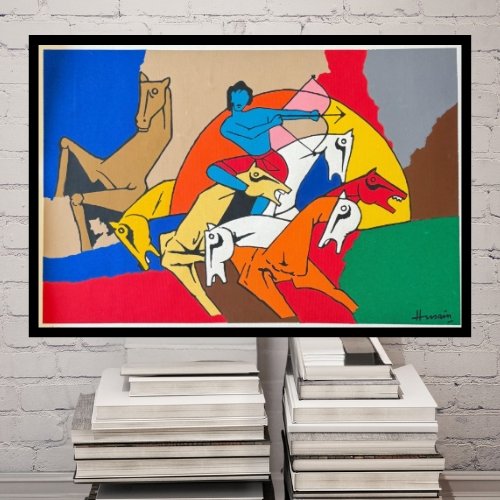
Krishna and Vishnu Mural Paintings
Lord Krishna is among the most popular subjects in traditional Kerala mural art.
Kerala mural paintings depicting Krishna often feature elaborate ornaments, expressive postures, floral decorations, and scenes inspired by the Bhagavata Purana.
Lord Vishnu and his different avatars are also important subjects. These paintings frequently communicate themes of devotion, protection, and divine presence.
Krishna mural paintings remain popular among people who appreciate traditional devotional artwork for their homes.
Shiva, Devi and Mythological Scenes
Lord Shiva and various forms of Goddess Devi are frequently represented in Kerala mural paintings.
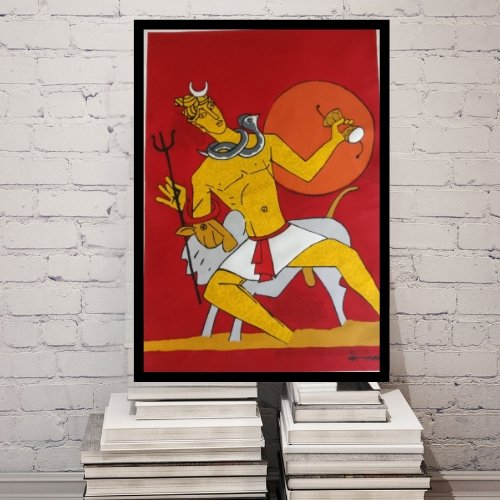
Artists use detailed costumes, symbolic objects, expressive gestures, and carefully balanced compositions to communicate the identity and significance of these figures.
Scenes from the Ramayana and Mahabharata also appear in traditional murals, bringing important mythological narratives into visual form.
Floral Patterns and Decorative Motifs
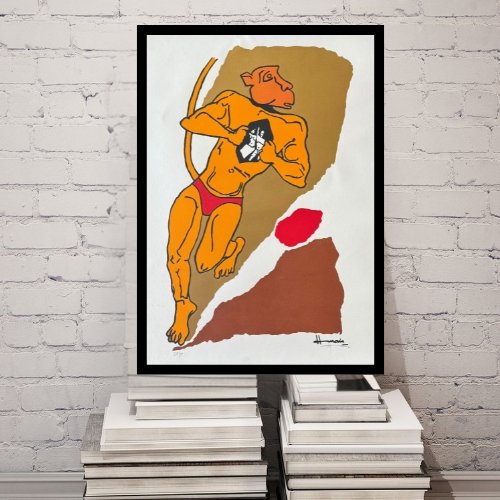
Alongside religious figures, Kerala murals incorporate floral patterns, foliage, ornamental borders, and decorative elements inspired by nature.
Lotus flowers, elaborate jewellery, and flowing garments contribute to the distinctive richness of Kerala mural painting designs.
These motifs also influence modern decorative artwork inspired by Kerala’s traditional painting style.
Famous Kerala Mural Painting Locations
Several historic temples and palaces preserve important examples of traditional Kerala mural art.
Krishnapuram Palace
Located near Kayamkulam in Kerala’s Alappuzha district, Krishnapuram Palace is famous for its large mural panel depicting Gajendra Moksha.
The painting illustrates a story associated with Lord Vishnu and is considered an important example of Kerala’s mural heritage.
Mattancherry Palace
Mattancherry Palace in Kochi contains significant mural paintings depicting episodes from Hindu mythology, including narratives associated with the Ramayana.
These works provide valuable insights into the artistic traditions and cultural history of Kerala.
Ettumanoor Mahadeva Temple
The Ettumanoor Mahadeva Temple is known for its historic mural paintings, including representations of Lord Shiva.
Its murals demonstrate the detailed linework and expressive style associated with Kerala’s traditional temple art.
Guruvayur Temple
Guruvayur is an important centre of Krishna devotion in Kerala and is closely associated with the region’s mural painting tradition.
These heritage sites demonstrate how Kerala mural painting developed as an important part of the state’s religious architecture and cultural identity.
Kerala Mural Paintings on Canvas and in Modern Homes
Although Kerala mural art originated as a wall-painting tradition, contemporary artists have adapted its techniques and visual style to canvas, paper, textiles, and decorative objects.
This evolution has made Kerala mural paintings accessible to a wider audience without requiring permanent paintings on walls.
Canvas-based Kerala mural art can be displayed in living rooms, entryways, bedrooms, and dedicated prayer spaces.
Its vibrant colours and intricate designs make it particularly suitable for interiors that feature wooden furniture, brass accents, natural textures, and neutral backgrounds.
For modern homes, a single Kerala mural painting can serve as a statement piece, adding cultural character and visual warmth without overwhelming the surrounding décor.
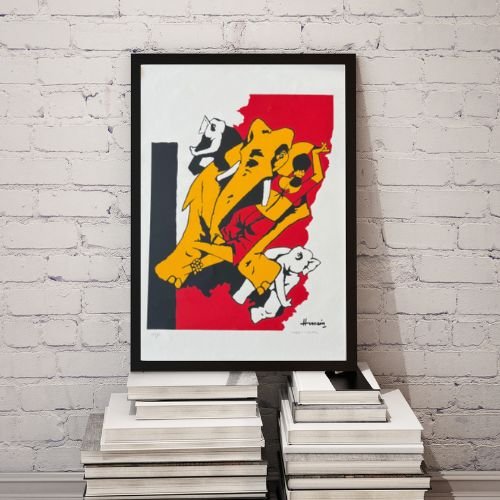
Explore different styles of traditional Indian artwork to discover how regional painting traditions can complement contemporary interiors.
How to Choose Kerala Mural Paintings for Your Home
Selecting the right Kerala mural painting depends on the artwork’s subject, dimensions, materials, and intended display location.
Consider the Artwork’s Size
Large paintings featuring detailed mythological scenes can become focal points in spacious living rooms or entrance areas.
Smaller compositions depicting a single deity or decorative motif may work better in compact spaces or prayer rooms.
Choose a Suitable Theme
For devotional interiors, paintings featuring Krishna, Vishnu, Shiva, or Devi can complement the spiritual atmosphere of the space.
For decorative settings, compositions featuring traditional patterns, floral elements, or mythological storytelling may provide a suitable balance between cultural significance and visual appeal.
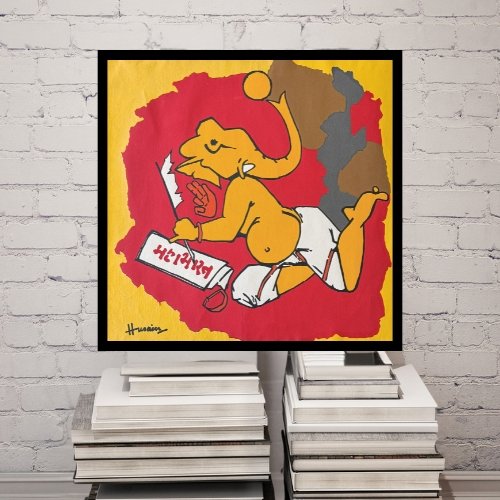
Match the Colours With Your Interior
The earthy palette of traditional Kerala murals pairs well with cream walls, natural wood, muted furnishings, and brass accessories.
Allow sufficient space around the painting so that its intricate details remain the main visual attraction.
Check the Artwork’s Materials and Authenticity
Before purchasing, determine whether the painting is an original hand-painted artwork, a reproduction, or a digitally printed piece.
Ask about the artist, materials, painting surface, dimensions, and any available documentation.
A canvas painting inspired by Kerala murals may use modern materials rather than traditional natural pigments. Understanding this distinction helps buyers make informed decisions.
For additional guidance, explore our article on buying Indian paintings online.
How to Care for Kerala Mural Art
Proper maintenance helps preserve the visual quality of Kerala mural paintings, particularly delicate works created with natural pigments.
Avoid prolonged exposure to direct sunlight, which may cause certain pigments and materials to deteriorate.
Keep artwork away from excessive moisture, heat, and humidity. Kitchens, bathrooms, and walls exposed to dampness are generally unsuitable locations for valuable paintings.
For framed artwork, consider archival-quality materials and appropriate UV-protective glazing when recommended by a professional framer.
Cleaning methods depend on the painting’s surface, pigments, and protective coatings. Avoid applying water, household cleaners, or brushes directly to delicate original artworks without professional guidance.
For valuable or historically significant pieces, consult a qualified art conservator before attempting any restoration.
Kerala Murals as Traditional Indian Art Gifts
Kerala mural paintings can make meaningful gifts for people who appreciate Indian culture, mythology, and traditional craftsmanship.
Their artistic detailing and cultural associations make them suitable for occasions such as weddings, housewarmings, anniversaries, and festive celebrations.
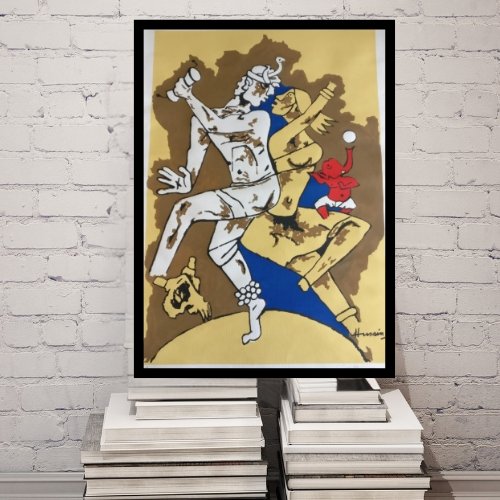
A painting featuring Radha and Krishna may appeal to someone who values devotional art, while a decorative composition inspired by Kerala mural traditions can complement a newly furnished home.
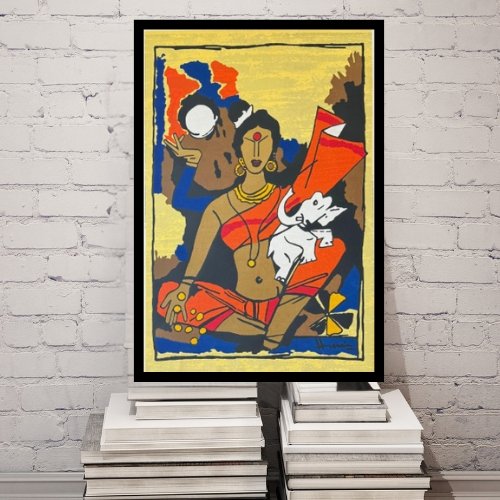
For art enthusiasts, these paintings also offer an opportunity to explore the diversity of regional Indian painting styles.
Other traditions, such as Kalamkari painting and Bhil painting, offer different approaches to colour, symbolism, and visual storytelling.
Explore our art gifting collection for more gift ideas inspired by Indian art and craftsmanship.
Why Kerala Mural Painting Remains Relevant Today
Kerala mural painting continues to hold an important place in Indian art because it brings together history, craftsmanship, mythology, and regional identity.
Its distinctive combination of natural colours, expressive figures, and intricate ornamentation has influenced generations of artists.
Today, the tradition continues through heritage conservation, art education, contemporary painting, and decorative adaptations.
While traditional murals remain an important part of Kerala’s temples and historic palaces, modern interpretations allow new audiences to appreciate the style in different settings.
This connection between heritage and contemporary creativity is one of the reasons Kerala mural art continues to attract collectors, homeowners, and admirers of Indian painting traditions.
Conclusion
Kerala mural painting represents a remarkable combination of artistic skill, cultural history, and devotional storytelling. From historic temple walls to contemporary canvas artwork, the tradition has maintained its distinctive visual identity through vibrant colours, detailed compositions, and symbolic imagery.
Understanding the history, traditional techniques, and themes of Kerala murals offers a deeper appreciation of this important Indian art form.
Whether you admire traditional mythological paintings or wish to incorporate cultural artwork into your interiors, Kerala mural art offers a meaningful connection to India’s artistic heritage.
At The Brush Strokes Co., we celebrate the diversity and craftsmanship of Indian art. Explore our artwork collection or contact us to discover paintings that complement your artistic interests and interior spaces.
Frequently Asked Questions About Kerala Murals
1. What is Kerala mural painting?
Kerala mural painting is a traditional Indian wall-painting style originating in Kerala. It is known for its detailed mythological compositions, natural colours, expressive figures, and decorative patterns.
2. What is the history of Kerala mural painting?
The Kerala mural tradition has roots extending back many centuries. Some early examples are associated with approximately the eighth century, while many important surviving works date from the 15th to 19th centuries.
3. What are the five traditional colours used in Kerala murals?
The five traditional colours, known as Pancha Varna, are yellow, red, green, black, and white. Historically, these were produced using natural mineral and plant-based materials, soot, and lime.
4. What makes Kerala mural art unique?
Kerala mural art is distinguished by its intricate ornamentation, expressive mythological figures, carefully arranged compositions, and traditional colour conventions.
5. What are the most common subjects in Kerala mural paintings?
Popular subjects include Lord Krishna, Lord Vishnu, Lord Shiva, Goddess Devi, and scenes inspired by the Ramayana, Mahabharata, and Puranas.
6. Can Kerala mural paintings be created on canvas?
Yes. Although traditional Kerala murals were painted on prepared walls, contemporary artists also create Kerala mural-style paintings on canvas, paper, and other suitable surfaces.
7. Where can famous Kerala mural paintings be seen?
Important examples can be found at Krishnapuram Palace, Mattancherry Palace, Ettumanoor Mahadeva Temple, and several other historic temples and palaces associated with Kerala’s mural heritage.
8. What is the difference between Kerala mural painting and Kathakali art?
Kerala mural painting is a visual art tradition, while Kathakali is a classical dance-drama performance tradition. Both developed within Kerala’s cultural environment and share certain aesthetic and mythological influences, but they are distinct art forms.
9. How can you identify an authentic Kerala mural painting?
Traditional characteristics include detailed outlines, expressive figures, ornamental patterns, and a colour palette associated with Kerala’s mural tradition. However, appearance alone cannot establish authenticity. Buyers should verify the artist, materials, provenance, and whether the piece is original or reproduced.
10. How should Kerala mural paintings be maintained?
Keep paintings away from direct sunlight, excessive moisture, and extreme temperatures. Use appropriate framing and follow conservation advice suited to the artwork’s materials. Avoid cleaning delicate painted surfaces without professional guidance.