
Still life painting is one of the most fascinating forms of art, transforming ordinary objects into beautiful compositions. From colourful fruits and delicate flowers to antique vessels and everyday household items, still life paintings celebrate the beauty of simple things through colour, light, texture, and artistic expression.
For centuries, artists have used still life art to experiment with composition, realism, symbolism, and different painting techniques. Today, these artworks continue to inspire artists, collectors, and homeowners looking to add elegance and character to their interiors.
In this guide, explore the meaning of still life painting, its history, popular subjects, famous examples, techniques, and how to choose the perfect artwork for your home.
What Is Still Life Painting?
Still life painting is an art form that focuses on inanimate objects arranged in a particular composition. These objects may include fruits, flowers, books, glassware, ceramics, fabrics, or everyday household items.
Unlike portrait or landscape paintings, still life artwork primarily features objects rather than people or natural scenery.
Artists carefully arrange these objects to study lighting, shadows, perspective, colours, and textures. A simple bowl of fruit can become an expressive artwork through thoughtful composition and skilled brushwork.
Still life painting is not limited to realistic representations. Modern artists also create abstract, minimalist, and contemporary interpretations of everyday objects.
History of Still Life Painting
The history of still life painting stretches across centuries, with representations of everyday objects appearing in ancient Egyptian, Greek, and Roman art.
However, still life became especially prominent as an independent painting genre in Europe during the 16th and 17th centuries.
Dutch and Flemish Still Life Paintings
During the Dutch Golden Age, artists created highly detailed paintings featuring flowers, fruits, glassware, silver vessels, and luxurious objects.
These paintings demonstrated technical skill while often carrying symbolic meanings.
For example, ripe fruits represented abundance, while wilting flowers, skulls, and extinguished candles could symbolise the passage of time and the temporary nature of life.
This symbolic tradition is particularly associated with vanitas paintings.
Still Life Painting in Modern Art
During the 19th and 20th centuries, artists began experimenting with new approaches to still life compositions.
Painters such as Paul Cézanne, Vincent van Gogh, and Pablo Picasso challenged traditional representation through expressive colours, geometric forms, and unconventional perspectives.
Their work helped expand still life painting beyond realism and contributed to the development of modern art.
Still Life Painting in India
Still life painting also holds an important place in Indian art education and modern artistic practice.
Indian artists often explore familiar objects such as brass vessels, clay pots, flowers, fruits, and traditional household utensils.
These arrangements combine technical painting skills with cultural influences, creating artworks that reflect everyday Indian life.
Popular Subjects in Still Life Paintings
One of the most interesting features of still life art is the variety of subjects artists can choose.
Fruit and Vegetable Still Life Paintings
Fruits and vegetables are among the most popular subjects in still life painting.
Artists use apples, grapes, mangoes, oranges, and pomegranates to explore vibrant colours, rounded forms, and natural textures.
Fruit still life paintings can create a warm and inviting atmosphere, making them suitable for dining rooms and living spaces.
Floral Still Life Paintings
Flower still life paintings feature arrangements of roses, sunflowers, lilies, lotuses, and other blooms.
These artworks highlight delicate petals, natural colours, and the interaction between light and shadow.
Floral compositions are especially popular in home décor because they bring softness, colour, and visual elegance to a room.
Household Objects and Decorative Items
Artists frequently paint objects such as ceramic vases, brass utensils, teapots, bottles, and glassware.
These subjects allow painters to explore reflective surfaces, transparency, and contrasting textures.
Even a simple arrangement of cups and vessels can create a visually striking composition.
Books and Vintage Objects
Still life paintings featuring books, clocks, musical instruments, and antique objects often create a nostalgic atmosphere.
Such artworks can be particularly suitable for libraries, reading rooms, and home offices.
Types of Still Life Paintings
Still life paintings come in several artistic styles, each offering a different interpretation of ordinary objects.
Realistic Still Life Painting
Realistic still life paintings focus on accurately representing objects, colours, textures, and lighting.
Artists carefully capture reflections, shadows, and fine details to create a lifelike appearance.
Impressionist Still Life Painting
Impressionist still life paintings use expressive brushstrokes, vibrant colours, and changing light effects.
Rather than reproducing every detail, artists focus on the overall atmosphere and visual impression of the subject.
Modern and Abstract Still Life Painting
Modern still life paintings experiment with unusual perspectives, simplified shapes, and bold colour combinations.
Abstract still life art may transform familiar objects into geometric patterns or expressive compositions.
These artworks often complement contemporary and minimalist interiors.
Indian Still Life Painting
Indian still life compositions may feature culturally familiar objects such as brass pots, earthenware, mangoes, or marigold flowers.
These subjects can create a distinctive connection between everyday Indian traditions and modern artistic techniques.
Famous Still Life Paintings and Artists
Several famous artists have transformed still life painting into an influential form of artistic expression.
The Basket of Apples by Paul Cézanne
Paul Cézanne’s The Basket of Apples, painted around 1893, is one of the most recognised examples of modern still life painting.
The artwork features apples, a basket, a bottle, and folded fabric arranged using unconventional perspectives.
Cézanne’s treatment of form and spatial relationships helped influence the development of modern painting.
Sunflowers by Vincent van Gogh
Vincent van Gogh’s Sunflowers paintings are celebrated for their expressive brushwork, rich yellow tones, and textured surfaces.
These floral still life compositions demonstrate how simple objects can communicate emotion through colour and technique.
Still Life with a Skull and a Writing Quill by Pieter Claesz
Pieter Claesz’s Still Life with a Skull and a Writing Quill is a notable example of Dutch vanitas painting.
The composition uses symbolic objects to explore mortality and the passing of time.
These famous still life painting examples demonstrate how artists can transform ordinary subjects into meaningful artworks.
Still Life Painting Techniques and Mediums
Different painting mediums influence the appearance, texture, and overall character of still life artwork.
Still Life Oil Painting
Oil painting is a traditional medium used extensively for still life compositions.
Oil paints generally dry slowly, allowing artists to blend colours, create smooth transitions, and develop detailed textures.
Still life oil paintings are particularly effective for capturing reflective surfaces, realistic fruits, and delicate flower arrangements.
Their rich colours and layered finishes make them appealing to collectors who appreciate classical artwork.
Acrylic Still Life Painting
Acrylic paints are popular because of their relatively quick drying time and versatility.
Artists can use acrylics to create realistic compositions, bold modern paintings, or textured abstract artwork.
Acrylic still life paintings are available in a wide range of styles suitable for contemporary interiors.
Watercolour Still Life Painting
Watercolour painting creates soft, transparent effects that work particularly well for flowers, fruits, and delicate objects.
Artists use layers of diluted pigment to represent light, shadows, and subtle colour variations.
Watercolour artworks on paper generally require protective framing to help preserve their condition.
Still Life Painting with Oil Pastels
Oil pastels allow artists to apply rich colours directly to paper or other suitable surfaces.
They are useful for creating expressive textures, smooth colour blends, and vibrant still life compositions.
Unlike conventional drying paints, traditional oil pastels generally remain workable and can be vulnerable to smudging.
Finished oil pastel artwork is usually protected with suitable framing and glazing, with sufficient space between the surface and the glazing.
Easy Still Life Painting Ideas for Beginners
Still life painting is an excellent way for beginners to develop observation, composition, and shading skills.
Some easy still life painting ideas include:
- A bowl of fruits: Practice colour blending, highlights, and rounded shapes.
- Flowers in a vase: Explore natural forms, soft shadows, and colour combinations.
- A cup and saucer: Understand basic perspective and reflective surfaces.
- Books and a candle: Experiment with light, shadow, and object placement.
- A glass bottle: Practice transparency and reflections.
Beginners should start with two or three objects and a single light source rather than a complicated arrangement.
Pay attention to the direction of light, the relationship between objects, and the balance of the overall composition.
How to Choose Still Life Paintings for Your Home
Still life paintings can enhance different living spaces by introducing colour, texture, and artistic character.
Choosing the right artwork depends on your interior style, available space, and personal preferences.
Still Life Paintings for Living Rooms
Large floral arrangements, abstract compositions, and colourful fruit paintings can create attractive focal points in living rooms.
Choose artwork that complements the furniture, wall colours, and overall interior design.

Still Life Paintings for Dining Rooms
Dining rooms are particularly suitable for still life paintings featuring fruits, tableware, flowers, or traditional vessels.
These subjects naturally complement dining spaces and can create a welcoming atmosphere.
Still Life Paintings for Bedrooms
Soft floral compositions, minimalist artwork, and paintings in neutral colours can contribute to a calm bedroom environment.
Avoid choosing artwork solely based on size; consider how its colours and subject fit the room.
Still Life Paintings for Offices
Paintings featuring books, vintage objects, or restrained compositions can add sophistication to home offices and professional spaces.
Artworks with balanced colours and simple arrangements can complement workspaces without overwhelming them.
Original Still Life Paintings vs Art Prints
When purchasing still life paintings online, understanding the difference between original artwork and prints is important.
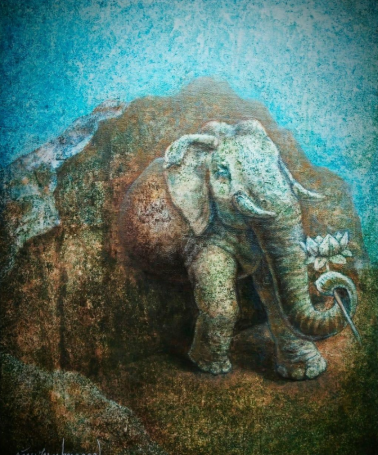
An original painting is a unique artwork created directly by the artist. It may feature visible brushstrokes, layered paint, and individual surface textures.
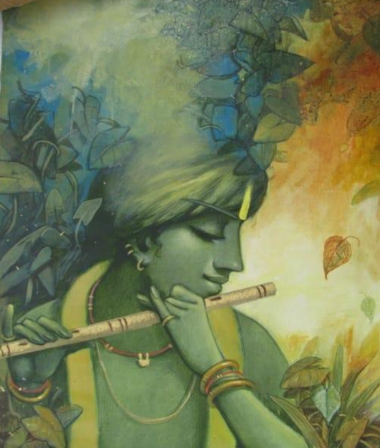
An art print reproduces an existing artwork using a printing process. Limited-edition prints may be signed and numbered, depending on the edition and artist.

Original paintings appeal to buyers looking for unique pieces, while prints may offer a more accessible way to enjoy particular artworks.
Before purchasing, always check the artwork’s medium, dimensions, condition, authenticity information, and edition details where applicable.
Things to Consider Before Buying Still Life Paintings Online
Buying still life paintings online allows art enthusiasts to explore different artists, styles, and mediums from the comfort of their homes.
However, a few details should be reviewed before making a purchase.
- Artwork size: Measure your wall and confirm the painting’s actual dimensions. Online images do not always communicate scale accurately.
- Colour combinations: Choose colours that complement your interiors while allowing the artwork to stand out.
- Medium and surface: Understand whether the artwork uses oil, acrylic, watercolour, pastel, or another medium.
- Authenticity: Check whether the work is original or a reproduction, and review any available artist signatures, certificates, and provenance information.
- Framing and delivery: Confirm whether framing is included and how the artwork will be packaged and shipped.
If you are exploring original artwork, browse The Brush Strokes Co. painting collection for available paintings in different styles and mediums.
You can also explore the artwork collection to discover additional artistic styles.
How to Care for Still Life Paintings
Proper care helps preserve the appearance and condition of still life paintings.
Keep artwork away from direct sunlight, strong heat, and locations with excessive humidity or frequent temperature changes.
For paintings on paper, suitable archival-quality framing materials can help protect the artwork from environmental damage.
Oil pastel and watercolour pieces generally benefit from protective glazing appropriate to the medium.
Avoid using household cleaning sprays, water, or chemicals directly on paintings. Dusting can also damage fragile or unstable surfaces.
For valuable, ageing, or visibly damaged artwork, consult a qualified art conservator before cleaning.
Frequently Asked Questions About Still Life Painting
1. What is still life painting?
Still life painting is an art form that depicts inanimate objects such as fruits, flowers, vessels, books, and household items arranged in a composition.
2. What are the main types of still life painting?
Popular types include realistic, impressionist, modern, abstract, and minimalist still life paintings. Artists may also combine different styles and techniques.
3. What are some famous still life paintings?
Famous examples include Paul Cézanne’s The Basket of Apples, Vincent van Gogh’s Sunflowers, and still life paintings by Dutch artists such as Pieter Claesz and Willem Kalf.
4. What is the purpose of still life painting?
Still life painting allows artists to explore light, colour, texture, composition, and symbolism through ordinary objects.
5. Which medium is best for still life painting?
Oil, acrylic, watercolour, and pastel are all suitable. The best choice depends on the artist’s technique, desired appearance, and working preferences.
6. Is still life painting good for beginners?
Yes. Still life painting helps beginners understand basic drawing, shading, colour mixing, composition, and perspective.
7. What objects are commonly used in still life paintings?
Common objects include fruits, flowers, vegetables, books, bottles, ceramic vases, utensils, and decorative household items.
8. Are still life paintings suitable for modern homes?
Yes. Abstract, minimalist, and contemporary still life paintings can complement modern interiors, while realistic pieces often suit traditional and transitional spaces.
9. Where can I buy still life paintings online in India?
You can explore online art galleries and collections such as The Brush Strokes Co. to discover paintings and other artwork. Check current availability and individual artwork details before purchasing.
10. How do I choose an original still life painting?
Consider the subject, painting style, artist, dimensions, medium, condition, authenticity information, and how the artwork complements your space.
Conclusion
Still life painting transforms ordinary objects into meaningful works of art through composition, colour, texture, and creative expression. From classical fruit arrangements to contemporary abstract compositions, this timeless art form offers something for different artistic tastes and interior styles.
Whether you are learning about still life painting or looking to purchase original artwork, understanding its history, techniques, and styles can help you appreciate each piece more deeply.
Explore the original art collection at The Brush Strokes Co. to discover artwork that adds character and artistic beauty to your home.